




How to Replace Control Arms on a 2007-2013 Jeep Wrangler
Step-by-step suspension repair guide with tools, parts, torque specs, and safety tips for 2007, 2008, 2009, 2010, 2011, 2012, 2013
How to Replace Control Arms on a 2007-2013 Jeep Wrangler
Step-by-step suspension repair guide with tools, parts, torque specs, and safety tips for 2007, 2008, 2009, 2010, 2011, 2012, 2013


🔧 Wrangler - Control Arm Replacement
Replacing the control arms on your Wrangler restores proper axle location, steering feel, and suspension geometry. Your Wrangler uses front and rear solid axles with upper and lower control arms, so the procedure depends on which arm is being replaced, but the safe method is the same: support the frame, support the axle, replace one arm at a time, then torque the bolts with the vehicle at normal ride height.
Difficulty Level: Intermediate | Estimated Time: 1-2 hours per arm
⚠️ Safety & Precautions
- ⚠️ Work on level, solid ground only. Never work under your Wrangler supported by a jack alone.
- ⚠️ Use jack stands under the frame and a floor jack under the axle. The floor jack lets you slightly move the axle to line up the bolt holes.
- ⚠️ Replace only one control arm at a time. Removing multiple arms can let the axle shift suddenly.
- ⚠️ Keep fingers out of bolt holes and bracket openings. The axle can move as tension changes.
- ⚠️ Final tightening must be done at normal ride height. Tightening with the suspension hanging can twist and damage the rubber bushings.
- ⚠️ Battery disconnect is not required for this repair.
🔧 Required Tools
You'll need the following tools for this repair:
- 21mm socket
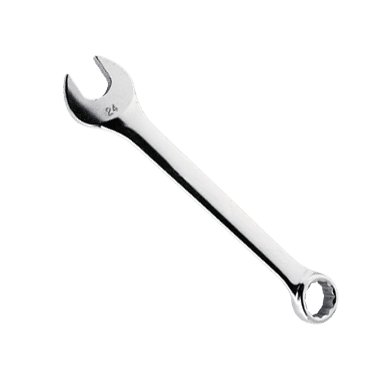
- 21mm combination wrench
- 18mm socket
- 18mm combination wrench
- 1/2-inch drive ratchet
- 1/2-inch drive breaker bar
- 1/2-inch drive torque wrench rated to 150 ft-lbs
- Floor jack rated 3-ton minimum
- Jack stands rated 3-ton minimum
- Wheel chocks
- Pry bar 18-inch
- Rubber mallet
- Penetrating oil
- Paint marker
- Tape measure
- Safety glasses
- Mechanic gloves
🔩 Required Parts
HowToo sells all the parts you need for this repair:
- Front lower control arm - Qty: 1 or 2
- Front upper control arm - Qty: 1 or 2
- Rear lower control arm - Qty: 1 or 2
- Rear upper control arm - Qty: 1 or 2
- Control arm mounting bolt and nut kit - Qty: As needed
📋 Before You Begin
- Park your Wrangler on level ground, shift the manual transmission into 1st gear, and apply the parking brake.
- Place wheel chocks at the tires that will stay on the ground.
- Spray penetrating oil on the control arm bolts and nuts. Let it soak for at least 10-15 minutes.
- Use a paint marker to mark the current bolt positions and bracket edges. This gives you a visual reference during installation.
- A control arm bushing is the rubber sleeve at each end of the arm. It allows controlled movement while holding the axle in place.
- If your Wrangler has a suspension lift or aftermarket adjustable arms, the arm length must match the removed arm before installation.
🔨 Step-by-Step Instructions
Follow these steps in order:
Step 1: Lift and Support Your Wrangler
- Use the floor jack rated 3-ton minimum to lift your Wrangler by the frame near the control arm you are replacing.
- Place jack stands rated 3-ton minimum under the frame, then slowly lower your Wrangler onto the stands.
- Keep the floor jack rated 3-ton minimum under the axle tube with light upward pressure. This supports the axle without lifting your Wrangler off the stands.
- Stability first. Shake-test before crawling under.
Step 2: Identify the Control Arm Being Replaced
- Use safety glasses and mechanic gloves before working underneath.
- Front and rear lower control arms are the larger arms mounted low between the frame and axle.
- Front and rear upper control arms are shorter arms mounted higher above the axle centerline.
- Use the tape measure to measure the removed-style arm from bolt center to bolt center if installing an adjustable replacement arm.
Step 3: Loosen the Control Arm Bolts
- Use a 21mm socket, 21mm combination wrench, and 1/2-inch drive breaker bar on the lower control arm bolts.
- Use an 18mm socket, 18mm combination wrench, and 1/2-inch drive breaker bar on the upper control arm bolts.
- Loosen both ends of the arm, but do not fully remove the bolts until the axle is supported and stable.
- If a bolt is stuck, apply more penetrating oil and work it back and forth slowly with the 1/2-inch drive breaker bar.
Step 4: Remove One Bolt, Then the Other
- Use the floor jack rated 3-ton minimum to slightly raise or lower the axle until the first bolt slides out with less tension.
- Use the correct socket and wrench: 21mm socket and 21mm combination wrench for lower arms, or 18mm socket and 18mm combination wrench for upper arms.
- If needed, tap the bolt out gently with the rubber mallet.
- Remove the second bolt the same way while keeping the axle lightly supported with the floor jack rated 3-ton minimum.
- Do not force bolts through loaded brackets.
Step 5: Remove the Old Control Arm
- Pull the old control arm out by hand.
- If it is tight in the bracket, use the pry bar 18-inch gently between the arm bushing sleeve and bracket.
- Do not bend the frame or axle brackets with the pry bar 18-inch.
- Compare the old and new arm side by side before installation.
Step 6: Install the New Control Arm
- Position the new control arm into the frame-side bracket first.
- Install the bolt and nut by hand. Do not tighten yet.
- Use the floor jack rated 3-ton minimum to slightly move the axle up or down until the axle-side bolt hole lines up.
- Use the pry bar 18-inch only for small alignment adjustments.
- Install the second bolt and nut by hand.
- If using a new control arm mounting bolt and nut kit, make sure the bolts are installed in the same direction as the originals where possible.
Step 7: Snug the Bolts, But Do Not Final-Torque Yet
- Use the 1/2-inch drive ratchet with the correct socket to snug the bolts until the arm is seated in the brackets.
- Use the 21mm socket and 21mm combination wrench for lower arms.
- Use the 18mm socket and 18mm combination wrench for upper arms.
- Do not fully tighten while the suspension is hanging.
Step 8: Lower to Normal Ride Height
- Use the floor jack rated 3-ton minimum to raise your Wrangler slightly off the jack stands.
- Remove the jack stands rated 3-ton minimum from under the frame.
- Lower your Wrangler onto its tires with the floor jack rated 3-ton minimum.
- Roll your Wrangler forward and backward about 3 feet to settle the suspension.
Step 9: Final Torque the Control Arm Bolts
- Use the 1/2-inch drive torque wrench rated to 150 ft-lbs with the correct socket and wrench while your Wrangler is at normal ride height.
- For front lower control arm bolts, Torque to 169 Nm (125 ft-lbs).
- For front upper control arm frame-side bolts, Torque to 102 Nm (75 ft-lbs).
- For front upper control arm axle-side bolts, Torque to 75 Nm (55 ft-lbs).
- For rear lower control arm bolts, Torque to 169 Nm (125 ft-lbs).
- For rear upper control arm bolts, Torque to 102 Nm (75 ft-lbs).
- Use the paint marker to mark each torqued nut and bolt head so you can quickly see that it was tightened.
Step 10: Repeat for Additional Arms
- If replacing the matching arm on the other side, repeat Steps 1-9 on that side.
- Use the tape measure to compare left and right visible arm positions if installing aftermarket adjustable arms.
- Replace control arms in pairs when wear is similar side to side.
✅ After Repair
- Drive slowly at first and listen for clunks, pops, or rubbing noises.
- Recheck all control arm bolts with the 1/2-inch drive torque wrench rated to 150 ft-lbs after the first short drive.
- If your Wrangler pulls, steering wheel is off-center, or you installed adjustable arms, get a professional alignment check.
- After 50-100 miles, inspect the bushings and torque marks again.
- If you replaced arms because of death wobble, also inspect the track bar, ball joints, tie rod ends, drag link, steering stabilizer, and tire balance.
💰 DIY vs Shop Cost
Shop Cost: $250-$700 per pair (parts + labor)
DIY Cost: $80-$350 per pair (parts only)
You Save: $170-$350 by doing it yourself!
Shop labor rates vary but typically run $100-$150/hour. This repair takes a shop approximately 1-3 hours depending on which arms are replaced and bolt condition.
🎯 Ready to get started?
HowToo makes it easy: same-day/2-day shipping on every part, plus all the tools and specialty tools you need! Check out the parts and tools sections below to add everything to your cart.