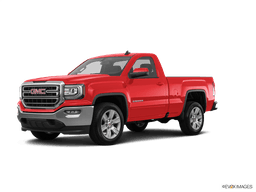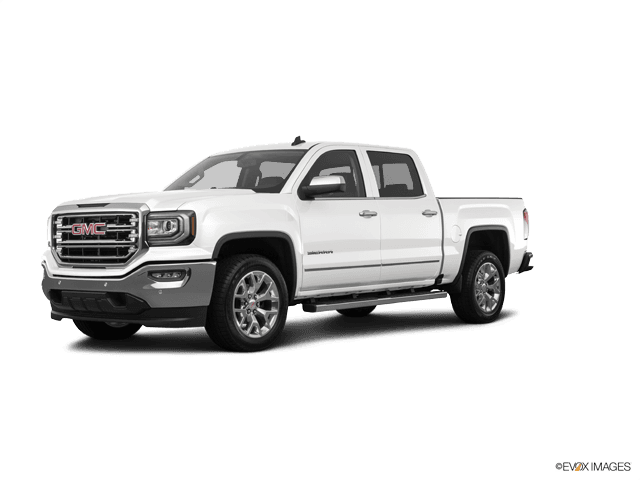






How to Replace All Oxygen Sensors on a 2017 GMC Sierra 1500
Step-by-step instructions with tools, parts, torque specs, and safety tips for 2014, 2015, 2016, 2017, 2018
How to Replace All Oxygen Sensors on a 2017 GMC Sierra 1500
Step-by-step instructions with tools, parts, torque specs, and safety tips for 2014, 2015, 2016, 2017, 2018


🔧 Oxygen Sensors - Full Replacement
This job replaces all four oxygen sensors on your Sierra: both upstream sensors and both downstream sensors. The sensors thread into the exhaust and can be tight from heat and corrosion, so the key is working on a cool exhaust and using the correct oxygen sensor socket.
Difficulty Level: Intermediate | Estimated Time: 2-4 hours
⚠️ Safety & Precautions
- Let the exhaust cool completely before starting. The pipes and sensors can stay hot for a long time.
- Disconnect the negative battery cable before unplugging multiple engine and exhaust sensor connectors.
- Use jack stands if you need to access the downstream sensors from underneath. Never rely on a jack alone.
- Do not touch the sensor tips with greasy hands. Contamination can shorten sensor life.
- Do not apply anti-seize unless the new sensor instructions specifically say to. Most replacement sensors come pre-coated.
🔧 Required Tools
You'll need the following tools for this repair:
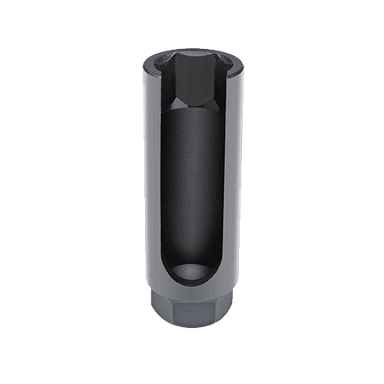
- Oxygen sensor socket 7/8-inch (22mm)
- 3/8-inch ratchet
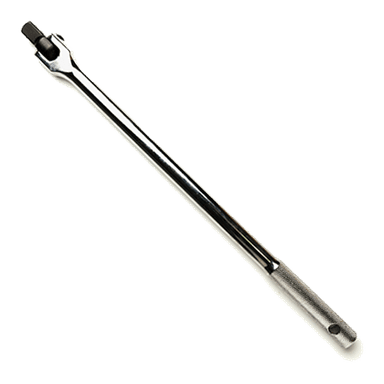
- 3/8-inch breaker bar
- 3-inch extension
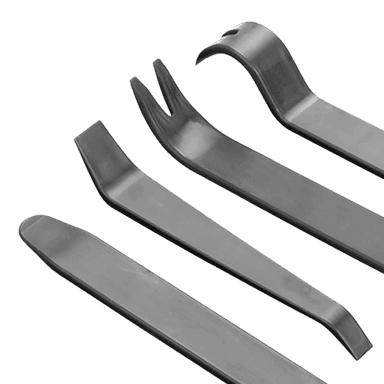
- Trim clip tool
- Floor jack (rated 3-ton minimum)
- Jack stands (rated 3-ton minimum)
- Wheel chocks
- 10mm wrench
- Torque wrench
- Safety glasses
- Mechanic gloves
- Penetrating oil
🔩 Required Parts
HowToo sells all the parts you need for this repair:
- Upstream oxygen sensor - Qty: 2
- Downstream oxygen sensor - Qty: 2
📋 Before You Begin
- Park on level ground and set the parking brake.
- Let the exhaust cool fully before touching any sensor.
- Disconnect the negative battery cable with a 10mm wrench.
- Raise the truck only if you need better access to the downstream sensors. Support it with jack stands.
- Label each connector before unplugging.
🔨 Step-by-Step Instructions
Follow these steps in order:
Step 1: Disconnect power and raise the truck if needed
- Use a 10mm wrench to disconnect the negative battery cable.
- If you need access to the downstream sensors, lift the Sierra with a floor jack and secure it with jack stands.
- Chock the rear wheels if the front is raised, or chock the front wheels if the rear is raised.
Step 2: Locate all four oxygen sensors
- Find the two upstream sensors on the exhaust pipes before the catalytic converters.
- Find the two downstream sensors after the catalytic converters.
- Trace each sensor wire to its connector before removing anything.
Step 3: Unplug the sensor connectors
- Use your hands or a trim clip tool to release each connector lock.
- Unclip the harness from its retainers so the wiring can move freely.
- Do one sensor at a time.
Step 4: Remove the old sensors
- Spray penetrating oil on each sensor threads area if needed and wait a few minutes.
- Use a 3/8-inch ratchet, 3-inch extension, and oxygen sensor socket 7/8-inch (22mm) to loosen each sensor.
- If a sensor is stuck, use a 3/8-inch breaker bar for extra leverage.
- Remove all four sensors and compare them to the new ones before installation.
Step 5: Install the new sensors
- Thread each new sensor in by hand first to avoid cross-threading.
- Use the oxygen sensor socket 7/8-inch (22mm) to tighten each one.
- Torque to 41 Nm (30 ft-lbs).
- Route each wire exactly like the original and keep it away from the exhaust.
- Never let the wire twist during tightening.
Step 6: Reconnect all plugs and restore power
- Reconnect each sensor plug until the lock clicks.
- Reinstall any wire clips and harness retainers.
- Lower the truck if it was raised.
- Reconnect the negative battery cable with a 10mm wrench.
✅ After Repair
- Start the engine and let it idle.
- Check for exhaust leaks around each sensor.
- Look for warning lights after a short drive.
- Use a scan tool to clear codes if they remain stored.
- Test drive and confirm the engine runs smoothly.
💰 DIY vs Shop Cost
Shop Cost: $700-$1,400 (parts + labor)
DIY Cost: $180-$500 (parts only)
You Save: $520-$900 by doing it yourself!
Shop labor rates vary but typically run $100-$150/hour. This repair takes a shop approximately 2-4 hours.
🎯 Ready to get started?
HowToo makes it easy: same-day/2-day shipping on every part, plus all the tools and specialty tools you need! Check out the parts and tools sections below to add everything to your cart.