






How to Replace a Rear Door Lock Actuator on a 2019 Ford Ranger
Step-by-step latch/actuator replacement with tools, parts list, safety tips, and torque specs for 2019, 2020, 2021
How to Replace a Rear Door Lock Actuator on a 2019 Ford Ranger
Step-by-step latch/actuator replacement with tools, parts list, safety tips, and torque specs for 2019, 2020, 2021


🔧 Ranger - Rear Door Lock Actuator Replacement
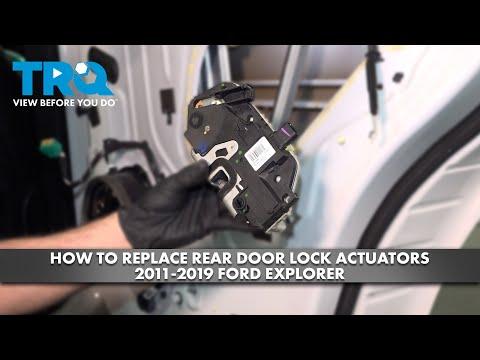
On your Ranger, the “rear door lock actuator” is part of the rear door latch/actuator assembly inside the door. Replacing it requires removing the interior door panel, peeling back the water shield, unplugging the latch wiring, and swapping the latch/actuator.
Difficulty Level: Intermediate | Estimated Time: 1.5-3.0 hours
Tell me: left-rear or right-rear?
⚠️ Safety & Precautions
- ⚠️ Work on level ground with the window fully up before starting.
- ⚠️ Disconnect the negative battery cable to prevent accidental shorting while unplugging door wiring.
- ⚠️ Use trim tools (not a screwdriver) to avoid breaking clips and scratching panels.
- ⚠️ Don’t tear the water shield (foam/plastic barrier); it prevents water leaks into the cab.
🔧 Required Tools
You'll need the following tools for this repair:
- Safety glasses
- Mechanic gloves
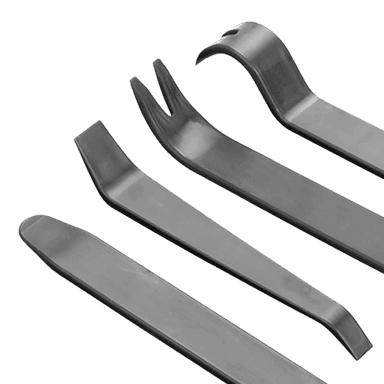
- Trim removal tool set
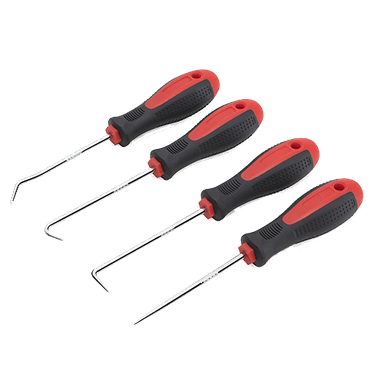
- Small pick tool
- 1/4" ratchet
- 1/4" torque wrench (inch-lb capable)
- 8mm socket
- 10mm socket
- Torx T20 bit
- Torx T30 bit
- Phillips screwdriver #2
- Needle-nose pliers
- Painter’s tape
- Butyl tape (specialty)
- Work light
🔩 Required Parts
HowToo sells all the parts you need for this repair:
- Rear door latch/lock actuator assembly - Qty: 1
- Rear door trim panel clip set - Qty: 1
- Water shield butyl adhesive - Qty: 1
📋 Before You Begin
- Park your Ranger on level ground and open the rear door you’re repairing.
- Use 10mm socket to disconnect the negative battery cable and isolate it so it can’t spring back.
- Put painter’s tape along the door panel edges where tools may contact paint/trim.
- Make sure the window is fully up (it gives you more working room and reduces risk of glass damage).
🔨 Step-by-Step Instructions
Follow these steps in order:
Step 1: Remove the rear door trim panel
- Use a trim removal tool set to pop off the small trim covers hiding screws (typically near the interior pull handle and door release area).
- Remove any visible screws using a Phillips screwdriver #2 and/or Torx T20 bit (hardware varies by panel location).
- Starting at the bottom edge, use the trim removal tool set to pop the door panel clips free around the perimeter.
- Lift the door panel upward to unhook it from the window ledge.
Step 2: Disconnect switches and the inside handle cable
- Unplug the window/lock switch connectors using the small pick tool to release the locking tabs (a locking tab is the little catch that prevents the plug from backing out).
- If equipped with a mechanical inside-handle cable, unclip it from the handle by hand and use needle-nose pliers if needed to rotate the cable end out of its slot.
- Set the door panel aside in a safe place.
Step 3: Peel back the water shield
- Use your hands and a trim removal tool set to carefully peel the water shield back far enough to access the latch area at the rear edge of the door.
- If the butyl adhesive won’t stick again later, plan to use butyl tape (specialty) during reassembly.
- Keep the shield clean for a better reseal.
Step 4: Remove the latch/actuator from the door
- At the rear edge of the door (near the striker), remove the latch retaining fasteners using a Torx T30 bit.
- Inside the door, disconnect the latch electrical connector using a small pick tool to release the tab.
- Disconnect the lock/handle rods (or cables) from the latch:
- Use the small pick tool to flip open the colored retaining clips.
- Lift the rod out of the latch lever by hand or with needle-nose pliers.
- Work the latch assembly out through the access opening.
Step 5: Install the new latch/actuator
- Transfer any brackets/clips from the old unit to the new one using a small pick tool if your replacement doesn’t include them.
- Position the new latch/actuator into the door and align it to the rear edge mounting holes.
- Reconnect the rods/cables and close the retaining clips by hand (they should “snap” fully closed).
- Reconnect the latch electrical connector until it clicks.
- Install the latch fasteners with a Torx T30 bit, then Torque to 8 Nm (71 in-lb) using a 1/4" torque wrench (inch-lb capable).
Step 6: Re-seal the water shield
- Press the water shield back into place.
- If needed, apply butyl tape (specialty) to restore a continuous seal all the way around.
Step 7: Reinstall the door panel
- Reconnect all electrical connectors by hand (listen/feel for a click).
- Reconnect the inside handle cable/rod (if equipped) by hand; use needle-nose pliers only if necessary.
- Hang the top of the door panel on the window ledge, then press the clips in around the perimeter with firm palm pressure.
- Reinstall the panel screws using a Phillips screwdriver #2 and/or Torx T20 bit.
Step 8: Reconnect the battery
- Reconnect the negative battery cable using a 10mm socket.
✅ After Repair
- With the door open, test lock/unlock using the key fob and the interior switch.
- Test the inside and outside door handles to confirm the latch releases smoothly.
- Engage the rear child safety lock (if equipped) and verify it works correctly.
- Close the door and confirm it latches fully and locks securely.
- If the door shows “ajar” incorrectly, recheck the latch connector and rod clip seating.
💰 DIY vs Shop Cost
Shop Cost: $250-$500 (parts + labor)
DIY Cost: $90-$220 (parts only)
You Save: $160-$280 by doing it yourself!
Shop labor rates vary but typically run $100-$150/hour. This repair takes a shop approximately 1.5-2.5 hours.
🎯 Ready to get started?
HowToo makes it easy: same-day/2-day shipping on every part, plus all the tools and specialty tools you need! Check out the parts and tools sections below to add everything to your cart.
Quick check: Are we replacing the left-rear or right-rear actuator on your Ranger?