













How to Replace a Radiator Hose on a 2017 Toyota Highlander
Step-by-step coolant hose repair with tools, parts, bleeding tips, and safety precautions
How to Replace a Radiator Hose on a 2017 Toyota Highlander
Step-by-step coolant hose repair with tools, parts, bleeding tips, and safety precautions


🔧 Highlander - Radiator Hose Replacement
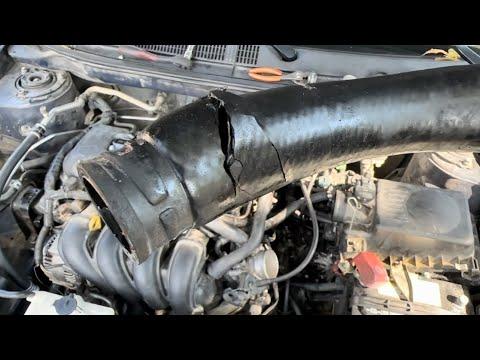
Replacing a radiator hose on your Highlander means draining some coolant, removing the old hose, installing a new hose, then refilling and bleeding the cooling system. A weak, swollen, cracked, or leaking hose should be replaced promptly to prevent overheating and engine damage.
Difficulty Level: Beginner | Estimated Time: 1-2 hours
⚠️ Safety & Precautions
- ⚠️ Never open the radiator cap or reservoir cap when the engine is hot. Hot coolant can spray out and cause serious burns.
- ⚠️ Make sure your Highlander is powered off and the READY light is off. Hybrid vehicles can start the gasoline engine automatically when READY is on.
- ⚠️ Do not touch orange high-voltage cables or hybrid components.
- ⚠️ Toyota Super Long Life Coolant is toxic. Keep it away from children and pets, and clean spills immediately.
- ⚠️ Dispose of old coolant according to local rules in Panipat, Haryana.
🔧 Required Tools
You'll need the following tools for this repair:
- Safety glasses
- Nitrile gloves
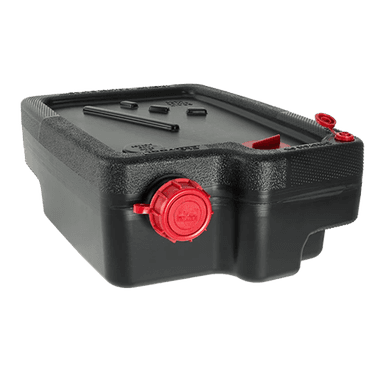
- Drain pan 10-liter minimum
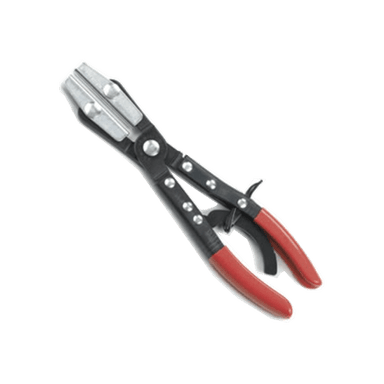
- Hose clamp pliers (specialty)
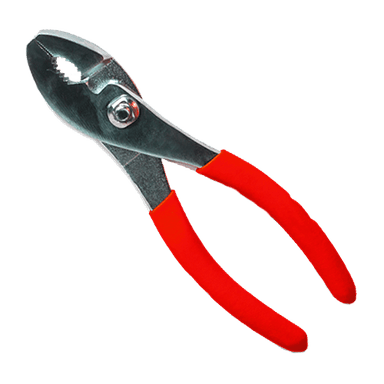
- Slip-joint pliers 10-inch
- Flat-blade screwdriver 6-inch
- Pick tool 90-degree
- Plastic trim clip remover
- 10mm socket
- 3/8-inch drive ratchet
- 3/8-inch drive extension 6-inch
- Torque wrench 3/8-inch drive
- Funnel spill-free coolant fill kit (specialty)
- Shop towels
- Flashlight
🔩 Required Parts
HowToo sells all the parts you need for this repair:
- Upper radiator hose - Qty: 1
- Lower radiator hose - Qty: 1
- Radiator hose clamps - Qty: 4
- Toyota Super Long Life Coolant premixed 50/50 - Qty: 1-2 gallons
- Plastic splash shield clips - Qty: As needed
📋 Before You Begin
- Park your Highlander on level ground and set the parking brake.
- Power the vehicle off and verify the READY light is off.
- Let the engine cool completely for at least 2-3 hours.
- If replacing only one hose, match the new hose to the old hose shape before removal.
- A hose clamp is the metal spring or screw clamp that squeezes the hose tightly onto the radiator or engine fitting.
- A spill-free funnel helps remove trapped air while filling coolant.
🔨 Step-by-Step Instructions
Follow these steps in order:
Step 1: Remove Access Panels
- Use the plastic trim clip remover to remove any front lower splash shield clips needed for access.
- Use the 10mm socket, 3/8-inch drive ratchet, and 3/8-inch drive extension 6-inch to remove any 10mm splash shield fasteners.
- Set the splash shield and clips aside in order.
Step 2: Position the Drain Pan
- Place the drain pan 10-liter minimum under the radiator drain area.
- Use the flashlight to locate the radiator drain cock at the lower radiator area.
- Keep shop towels nearby for spills.
Step 3: Remove the Coolant Reservoir Cap
- With the engine completely cool, slowly remove the coolant reservoir cap by hand.
- This allows coolant to drain more smoothly.
- If you hear pressure releasing, stop and wait longer for the system to cool.
Step 4: Drain Enough Coolant
- Open the radiator drain cock by hand if accessible, or use the slip-joint pliers 10-inch gently if it is tight.
- Drain coolant until the level is below the hose you are replacing.
- For the lower hose, expect to drain more coolant than for the upper hose.
- Close the drain cock by hand after draining. Do not overtighten.
Step 5: Loosen the Hose Clamps
- Use the hose clamp pliers to squeeze the spring clamp tabs together.
- Slide the clamp back several inches onto the hose.
- If screw-style clamps are installed, use the flat-blade screwdriver 6-inch to loosen them.
- Repeat this on both ends of the hose.
Step 6: Break the Hose Loose
- Use your gloved hand to twist the hose gently on the fitting.
- If it is stuck, use the pick tool 90-degree carefully between the hose and fitting to break the seal.
- Do not pry hard against plastic radiator necks because they can crack.
- Tip: Twist first, pull second.
Step 7: Remove the Old Hose
- Pull the hose off one end first by hand.
- Lower that end into the drain pan 10-liter minimum to catch remaining coolant.
- Remove the other end of the hose by hand.
- Use shop towels to wipe coolant from nearby parts.
Step 8: Clean and Inspect the Fittings
- Use shop towels to clean the radiator and engine hose fittings.
- Use the flashlight to check for cracks, corrosion, old hose rubber, or damaged sealing surfaces.
- Do not scrape plastic fittings with metal tools unless absolutely necessary.
Step 9: Install the New Hose
- Slide the new radiator hose clamps onto the new hose before installing the hose.
- Push the new hose fully onto both fittings by hand until it reaches the stop bead or original hose position.
- The stop bead is the raised ring on the fitting that helps keep the hose from sliding off.
- Make sure the hose is not twisted, kinked, or rubbing sharp edges.
Step 10: Position the Hose Clamps
- Use the hose clamp pliers to move each spring clamp into position behind the stop bead.
- If using screw-style clamps, tighten evenly with the flat-blade screwdriver 6-inch.
- Do not crush plastic radiator necks by overtightening screw clamps.
- Spring clamps do not use a torque spec. For screw clamps, tighten snug only unless the clamp manufacturer provides a spec.
Step 11: Refill the Cooling System
- Install the funnel spill-free coolant fill kit on the coolant reservoir or radiator fill point as applicable.
- Pour Toyota Super Long Life Coolant premixed 50/50 slowly into the funnel.
- Fill until the coolant level stabilizes near the full mark.
- Squeeze the new hose gently by hand several times to help push air bubbles out.
Step 12: Bleed Air from the Cooling System
- Keep the funnel spill-free coolant fill kit installed and partly filled.
- Power your Highlander on only when you are ready to monitor it closely.
- Set the cabin temperature to maximum heat and the blower to low using the climate controls.
- Let the engine run as needed until warm air comes from the vents and bubbles stop rising in the funnel.
- Watch the temperature gauge closely. If it rises above normal, power the vehicle off immediately.
Step 13: Check for Leaks
- Use the flashlight to inspect both hose ends while the system warms up.
- Look for drips, wetness, steam, or coolant smell.
- If a leak appears, power off the vehicle, let it cool, then reposition the clamp with the hose clamp pliers or tighten the screw clamp with the flat-blade screwdriver 6-inch.
Step 14: Reinstall Access Panels
- Use the plastic trim clip remover to align any splash shield clips.
- Use the 10mm socket, 3/8-inch drive ratchet, and torque wrench 3/8-inch drive to reinstall splash shield fasteners.
- Torque 10mm splash shield bolts to 5 Nm (44 in-lbs) if they thread into plastic or light brackets.
- Push plastic clips in by hand until seated.
✅ After Repair
- After the engine cools completely, recheck the coolant level and top off with Toyota Super Long Life Coolant premixed 50/50 if needed.
- Drive your Highlander gently for 10-15 minutes while watching the temperature gauge.
- Park, let it cool, and inspect the new hose and clamps again with the flashlight.
- Recheck the coolant level the next morning.
- No scan tool reset or infotainment reset is normally needed for radiator hose replacement.
💰 DIY vs Shop Cost
Shop Cost: $180-$450 (parts + labor)
DIY Cost: $45-$140 (parts only)
You Save: $135-$310 by doing it yourself!
Shop labor rates vary but typically run $100-$150/hour. This repair takes a shop approximately 1-2 hours.
🎯 Ready to get started?
HowToo makes it easy: same-day/2-day shipping on every part, plus all the tools and specialty tools you need! Check out the parts and tools sections below to add everything to your cart.