

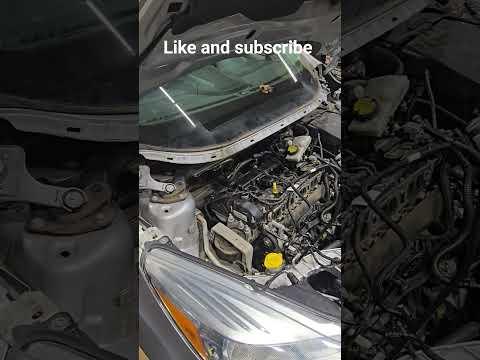




How to Replace a Radiator Hose on a 2015 Ford Escape
Step-by-step coolant hose repair guide with tools, parts, safety tips, and leak checks for 2011, 2012, 2013, 2014, 2015, 2016, 2017, 2018, 2019, 2020, 2021, 2022, 2023, 2024, 2025
How to Replace a Radiator Hose on a 2015 Ford Escape
Step-by-step coolant hose repair guide with tools, parts, safety tips, and leak checks for 2011, 2012, 2013, 2014, 2015, 2016, 2017, 2018, 2019, 2020, 2021, 2022, 2023, 2024, 2025


🔧 Escape - Radiator Hose Replacement
Replacing a radiator hose on your Escape means draining some coolant, removing the old hose, installing the new hose, and refilling the cooling system. A bad radiator hose can leak, swell, crack, or collapse, which can cause overheating and engine damage.
Difficulty Level: Beginner | Estimated Time: 1-2 hours
⚠️ Safety & Precautions
- ⚠️ Never open the coolant reservoir cap when the engine is hot. Hot coolant is pressurized and can cause serious burns.
- 🧤 Wear safety glasses and gloves. Coolant is slippery, toxic, and harmful to pets.
- 🌡️ Let the engine cool completely before starting. Wait at least 2-3 hours after driving.
- 🔋 Battery disconnect is not required for this hose replacement.
- ♻️ Catch all drained coolant in a clean drain pan and dispose of it properly.
🔧 Required Tools
You'll need the following tools for this repair:
- 8mm socket
- 10mm socket
- 1/4-inch ratchet
- 3/8-inch ratchet
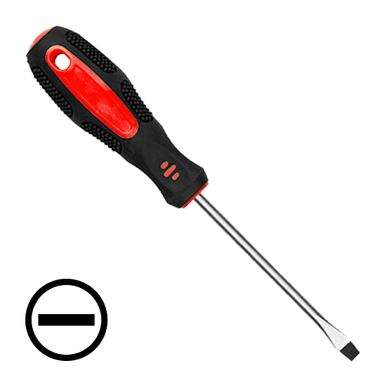
- Flathead screwdriver
- Hose clamp pliers (specialty)
- Long-nose pliers
- Plastic trim clip remover
- Drain pan, 2-gallon minimum
- Funnel
- Coolant vacuum fill tool (specialty)
- Cooling system pressure tester (specialty)
- Shop towels
- Nitrile gloves
- Safety glasses
🔩 Required Parts
HowToo sells all the parts you need for this repair:
- Radiator hose - Qty: 1
- Engine coolant meeting Ford orange coolant specification - Qty: 1-2 gallons premixed
- Radiator hose clamps - Qty: 2
📋 Before You Begin
- 🚗 Park your Escape on level ground and set the parking brake.
- ❄️ Make sure the engine is fully cold before opening the cooling system.
- 🧴 Identify which hose you are replacing: the upper radiator hose is easier to access from the top; the lower radiator hose may require access from underneath.
- 📌 A hose clamp is the metal spring or screw band that squeezes the hose onto the pipe fitting.
- 📌 A coolant vacuum fill tool uses shop vacuum/air pressure to remove air pockets while filling the cooling system.
🔨 Step-by-Step Instructions
Follow these steps in order:
Step 1: Let the Engine Cool
- Use safety glasses and nitrile gloves before touching the cooling system.
- Touch the upper radiator hose carefully with your hand. It should feel cool, not warm or hot.
- Slowly loosen the coolant reservoir cap by hand to release any leftover pressure.
- Cold engine only.
Step 2: Remove the Lower Splash Shield if Needed
- If replacing the lower radiator hose, use a plastic trim clip remover to remove the lower splash shield clips.
- Use an 8mm socket with a 1/4-inch ratchet to remove any splash shield screws.
- Set the shield and fasteners aside in order.
- Reinstallation torque for small splash shield screws: Torque to 3-5 Nm (27-44 in-lbs).
Step 3: Position the Drain Pan
- Place a 2-gallon minimum drain pan under the radiator hose connection you are removing.
- Use shop towels around the hose area to catch drips.
- Keep coolant away from belts and electrical connectors.
Step 4: Drain Enough Coolant
- Use hose clamp pliers to squeeze the spring clamp on the lower hose, then slide the clamp back on the hose.
- If your replacement area has a screw-style clamp, use a flathead screwdriver to loosen it.
- Carefully twist the lower hose end by hand to break it free, then pull it back slightly and let coolant drain into the pan.
- Avoid yanking on plastic fittings. They can crack.
Step 5: Remove the Old Radiator Hose
- Use hose clamp pliers to move both hose clamps away from the hose ends.
- Use long-nose pliers only if extra reach is needed, and grip the clamp tabs, not the hose fitting.
- Twist the hose gently by hand to loosen it from the radiator and engine-side fitting.
- If the hose is stuck, use a flathead screwdriver carefully between the hose and metal neck to loosen the seal.
- Do not pry hard against the radiator plastic tank.
- Twist first, pull second.
Step 6: Inspect the Hose Fittings
- Use shop towels to clean coolant residue from the radiator neck and engine-side fitting.
- Inspect the fittings for cracks, corrosion, or broken plastic tabs.
- If a plastic radiator neck is cracked, do not install the new hose until the damaged part is replaced.
Step 7: Install the New Radiator Hose
- Compare the new radiator hose to the old one. The bends and length should match.
- Slide the radiator hose clamps onto the new hose before installing it.
- Push the hose fully onto each fitting by hand until it seats past the raised bead on the pipe.
- Use hose clamp pliers to position spring clamps behind the raised bead.
- If using worm-gear screw clamps, tighten with a flathead screwdriver until snug. Do not crush plastic fittings.
- Typical worm-gear clamp torque: Torque to 3-4 Nm (27-35 in-lbs).
Step 8: Reinstall the Splash Shield if Removed
- Lift the splash shield into place by hand.
- Use a plastic trim clip remover to help align push clips if needed.
- Use an 8mm socket with a 1/4-inch ratchet to reinstall screws.
- Tighten splash shield screws to Torque to 3-5 Nm (27-44 in-lbs).
Step 9: Refill the Cooling System
- Use a funnel to fill the coolant reservoir with Ford orange-spec premixed coolant.
- Fill slowly to the MAX line on the reservoir.
- For best results, use a coolant vacuum fill tool to reduce trapped air. Trapped air can cause overheating.
- If using the vacuum fill tool, follow the tool instructions and fill through the coolant reservoir.
Step 10: Bleed Air from the Cooling System
- Leave the coolant reservoir cap off.
- Start the engine and let it idle.
- Set the heater controls inside your Escape to full hot with the blower on low.
- Watch the coolant level in the reservoir and add coolant with a funnel as the level drops.
- When the upper radiator hose gets warm and heat comes from the vents, reinstall the reservoir cap by hand.
- Do not let the coolant reservoir run empty during bleeding.
Step 11: Pressure Test for Leaks
- Turn the engine off and let it cool until safe to work near the hose.
- Install a cooling system pressure tester onto the coolant reservoir.
- Pump the tester to the pressure listed on the reservoir cap.
- Inspect both hose ends for leaks using a flashlight if needed.
- If coolant seeps from a clamp, release pressure and reposition the clamp with hose clamp pliers.
✅ After Repair
- ✅ Start your Escape and let it reach normal operating temperature while watching the temperature gauge.
- 🔥 Confirm the cabin heater blows hot air. No heat can mean air is still trapped in the cooling system.
- 🧪 Check for leaks around both ends of the new radiator hose.
- ❄️ After the engine fully cools, recheck the coolant reservoir level and top off to the MAX line if needed.
- ♻️ Dispose of old coolant at a recycling center or parts store that accepts used coolant.
💰 DIY vs Shop Cost
Shop Cost: $180-$350 parts + labor
DIY Cost: $35-$120 parts only
You Save: $145-$230 by doing it yourself!
Shop labor rates vary but typically run $100-$150/hour. This repair takes a shop approximately 0.8-1.5 hours.
🎯 Ready to get started?
HowToo makes it easy: same-day/2-day shipping on every part, plus all the tools and specialty tools you need! Check out the parts and tools sections below to add everything to your cart.