






How to Fix Timing Chain Noise on a 2016 Toyota Corolla
Step-by-step diagnosis, replacement guidance, tools, parts, and safety tips for 2016
How to Fix Timing Chain Noise on a 2016 Toyota Corolla
Step-by-step diagnosis, replacement guidance, tools, parts, and safety tips for 2016


🔧 Timing Chain - Service Information
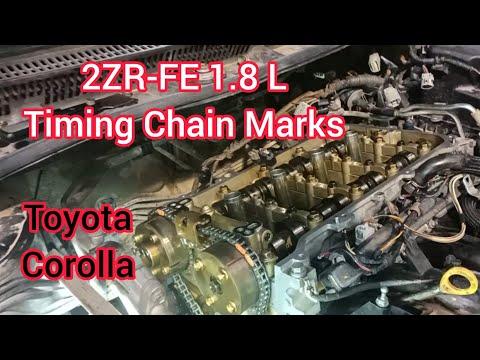
Your Corolla does not use a timing belt. It uses a timing chain, which is inside the engine and is not a routine replacement item like a belt. If you're chasing a rattle, misfire, or timing-related code, the fix is usually diagnosis first, then chain, tensioner, or guide service if needed.
Difficulty Level: Advanced | Estimated Time: 0.5-1 hour for inspection
⚠️ Safety & Precautions
- Do not remove timing covers or crank components with the engine running.
- Allow the engine to cool before touching nearby components.
- Battery disconnect may be required if you inspect sensors or wiring near the timing cover.
- Incorrect cam/crank timing can cause no-start or engine damage.
🔧 Required Tools
You'll need the following tools for this repair:
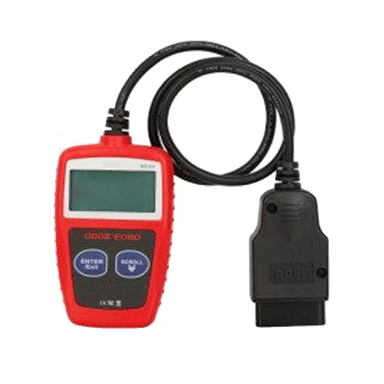
- OBD-II scan tool
- 10mm socket
- Ratchet
- Extension bar
- Flashlight
- Safety glasses
- Mechanic gloves
🔩 Required Parts
HowToo sells all the parts you need for this repair:
- Timing chain kit - Qty: 1
- Timing chain tensioner - Qty: 1
- Timing chain guides - Qty: 1 set
- Front timing cover sealant - Qty: 1
- Engine oil - Qty: 4.4 quarts
- Oil filter - Qty: 1
📋 Before You Begin
- Park on level ground and set the parking brake.
- Scan for stored codes first with an OBD-II scan tool.
- If the engine has a cold-start rattle, note how long it lasts.
- If you are replacing timing components, disconnect the negative battery cable.
🔨 Step-by-Step Instructions
Follow these steps in order:
Step 1: Confirm the timing system
- Use an OBD-II scan tool to check for cam/crank correlation codes.
- This engine uses a timing chain, not a timing belt.
- Chain noise on startup is a key clue.
Step 2: Inspect for external oil leaks
- Use a flashlight to look around the front cover area for oil seepage.
- Low oil level or sludge can cause chain tensioner problems.
- Check the oil level before any deeper diagnosis.
Step 3: Diagnose before disassembly
- Use the OBD-II scan tool to review freeze-frame data and live cam timing values.
- If codes point to timing correlation, further mechanical inspection is needed.
- Do not guess at timing faults.
Step 4: Repair if timing components are confirmed faulty
- This job requires front engine disassembly, including accessory removal and timing cover removal.
- Use a 10mm socket, ratchet, and extension bar to remove related covers and brackets.
- Set the engine at top dead center before removing chain components.
- Install the new chain, guides, and tensioner exactly to factory timing marks.
- Torque to factory specification for each fastener using the service manual.
Step 5: Reassemble and verify
- Reseal the timing cover with approved sealant.
- Refill engine oil and install a new oil filter.
- Start the engine and listen for abnormal timing noise.
- Re-scan for codes after the repair.
✅ After Repair
- Check for oil leaks at the front cover.
- Confirm smooth idle and normal acceleration.
- Clear any stored codes with the scan tool.
- Recheck oil level after a short test drive.
💰 DIY vs Shop Cost
Shop Cost: $1,200-$2,200 (parts + labor)
DIY Cost: $180-$450 (parts only)
You Save: $1,000-$1,750 by doing it yourself!
Shop labor rates vary but typically run $100-$150/hour. This repair takes a shop approximately 8-12 hours.
🎯 Ready to get started?
HowToo makes it easy: same-day/2-day shipping on every part, plus all the tools and specialty tools you need! Check out the parts and tools sections below to add everything to your cart.