






How to Fix a 2017 Honda Accord MAF Sensor Issue or MAP Sensor Fault
Step-by-step diagnostics, replacement guidance, tools, torque specs, and safety tips for 2013, 2014, 2015, 2016, 2017
How to Fix a 2017 Honda Accord MAF Sensor Issue or MAP Sensor Fault
Step-by-step diagnostics, replacement guidance, tools, torque specs, and safety tips for 2013, 2014, 2015, 2016, 2017


🔧 Accord - Mass Air Flow Sensor Replacement
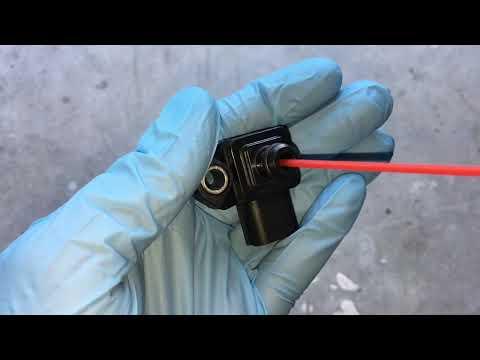
The mass air flow sensor is mounted in the air-cleaner outlet, near the engine-air-filter housing. It measures incoming air so the engine computer can calculate fuel delivery. Replacement involves unplugging the connector, removing two small screws, and transferring the sensor without touching its delicate sensing element.
Difficulty Level: Beginner | Estimated Time: 15-30 minutes
⚠️ Safety & Precautions
- Switch the ignition completely off and keep the smart key away from the vehicle.
- Allow the engine to cool before working near the intake system.
- Do not touch, wipe, or probe the sensing element inside the new sensor.
- Do not use carburetor, throttle-body, or brake cleaner on a MAF sensor.
- Battery disconnection is not required for this replacement.
🔧 Required Tools
You'll need the following tools for this repair:
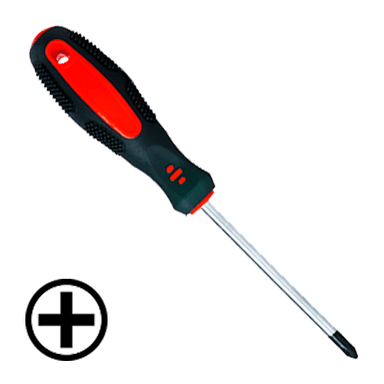
- Phillips #2 screwdriver
- 1/4-inch-drive inch-pound torque wrench
- Phillips #2 torque bit socket
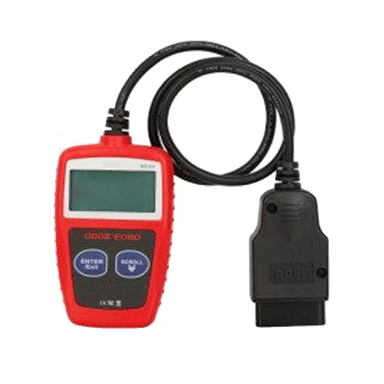
- OBD-II scan tool
- Safety glasses
- Nitrile gloves
🔩 Required Parts
HowToo sells all the parts you need for this repair:
- Mass air flow sensor with sealing O-ring - Qty: 1
📋 Before You Begin
- Park your Accord on level ground, select Park, apply the parking brake, and switch off the ignition.
- Open the hood and locate the engine-air-filter housing on the driver side of the engine compartment.
- Identify the MAF sensor fitted into the air-cleaner outlet near the intake hose. It has an electrical connector and two retaining screws.
- Use an OBD-II scan tool to record stored trouble codes before clearing anything. Codes such as P0101, P0102, or P0103 can also result from wiring or intake leaks.
🔨 Step-by-Step Instructions
Follow these steps in order:
Step 1: Disconnect the MAF sensor connector
- Put on safety glasses and nitrile gloves.
- Press the locking tab on the electrical connector and pull the connector straight away from the sensor.
- Hold the connector body rather than pulling on its wires. No tool is needed for a connector that releases normally.
- Inspect the terminals for moisture, corrosion, bent pins, or looseness.
Step 2: Remove the old sensor
- Use a Phillips #2 screwdriver to remove the two sensor retaining screws.
- Keep downward pressure on the screwdriver so the small screw heads do not strip.
- Lift the sensor straight out of the air-cleaner outlet. Gently rock its plastic body if the sealing O-ring is stuck.
- Do not allow dirt or loose hardware to fall into the opening.
Step 3: Inspect the mounting opening
- Use your gloved fingers to remove loose surface debris around the opening without pushing debris into the intake.
- Confirm the old sealing O-ring came out with the sensor.
- Do not use a screwdriver or other tool inside the sensor opening.
Step 4: Install the new sensor
- Hold the new sensor by its plastic housing. Do not touch the sensing element.
- Align the sensor and press it straight into the opening until its flange sits flat.
- Start both retaining screws by hand with a Phillips #2 screwdriver to prevent cross-threading.
- Use a 1/4-inch-drive inch-pound torque wrench and Phillips #2 torque bit socket to tighten both screws evenly to 1.2 Nm (11 in-lbs).
- These screws need very little force.
Step 5: Reconnect the electrical connector
- Push the connector onto the new sensor by hand until its lock clicks.
- Gently pull the connector body to verify it is locked.
- Check that nearby wiring is not stretched or trapped against the intake housing.
Step 6: Clear the diagnostic codes
- Switch the ignition on without starting the engine.
- Use the OBD-II scan tool to clear the stored engine codes.
- Switch the ignition off for at least 10 seconds, then start the engine.
✅ After Repair
- Let the engine idle and verify that the malfunction indicator lamp stays off.
- Listen for a hissing sound around the air-cleaner housing and intake hose, which could indicate an air leak.
- Use the OBD-II scan tool to check for pending codes after a 15-minute test drive.
- No programming, coding, battery registration, or infotainment reset is required.
- If the same code returns, test the wiring and inspect the intake duct and air filter before replacing additional parts.
💰 DIY vs Shop Cost
Shop Cost: ₹14,000-₹30,000 (imported part, diagnosis, and labor)
DIY Cost: ₹8,000-₹22,000 (part only)
You Save: ₹3,000-₹8,000 by doing it yourself!
Pricing in Panipat varies considerably for imported U.S.-market Honda parts. This repair takes a shop approximately 0.3-0.5 hour.
🎯 Ready to get started?
HowToo makes it easy: same-day/2-day shipping on every part, plus all the tools and specialty tools you need! Check out the parts and tools sections below to add everything to your cart.