






How to Fix 12V Charging Issues on a 2014 Toyota Camry Hybrid (DC-DC Converter/Inverter)
Step-by-step diagnostics and inverter/DC-DC converter replacement with HV safety, tools, and coolant bleed tips for 2012, 2013, 2014
How to Fix 12V Charging Issues on a 2014 Toyota Camry Hybrid (DC-DC Converter/Inverter)
Step-by-step diagnostics and inverter/DC-DC converter replacement with HV safety, tools, and coolant bleed tips for 2012, 2013, 2014


🔧 Camry - Alternator Replacement (Not Equipped) / DC-DC Converter (Inverter) Service
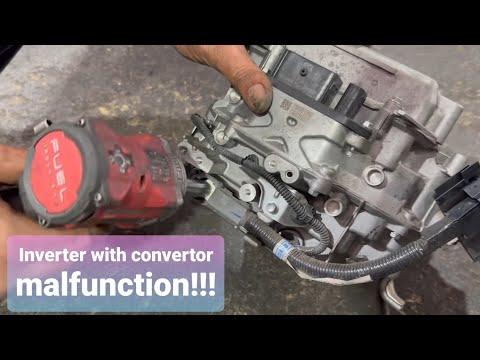
Your Camry Hybrid does not use a traditional belt-driven alternator. The 12V system is charged by a DC-DC converter built into the inverter assembly, so an “alternator replacement” is typically either a 12V battery/charging diagnosis or an inverter/DC-DC converter repair.
Assumption: You’re trying to fix a “not charging / dead 12V battery” problem and meant the DC-DC converter (inverter) rather than a conventional alternator.
Difficulty Level: Advanced | Estimated Time: 3-6 hours
⚠️ Safety & Precautions
- ⚠️ This is a high-voltage hybrid. Incorrect steps can cause severe injury or death.
- ⚠️ Disable the hybrid system by removing the HV service plug grip and wait the specified time before touching any orange HV cables.
- ⚠️ Disconnect the 12V battery negative terminal to prevent relays and modules from waking up.
- ⚠️ Do not touch or probe orange cables/connectors unless the HV system is disabled and you’re using insulated tools and gloves.
- ⚠️ The inverter uses its own coolant circuit—spilled coolant is slippery and toxic; clean up immediately.
🔧 Required Tools
You'll need the following tools for this repair:
- Safety glasses
- Nitrile gloves
- High-voltage insulated gloves (Class 0) (specialty)
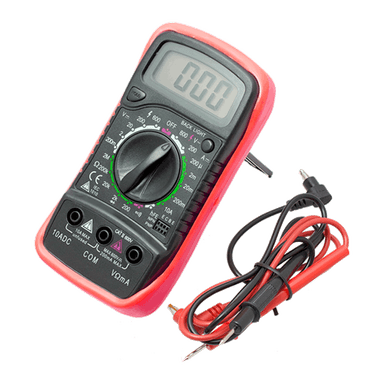
- Digital multimeter (CAT III) (specialty)
- Insulated hand tool set (1000V-rated) (specialty)
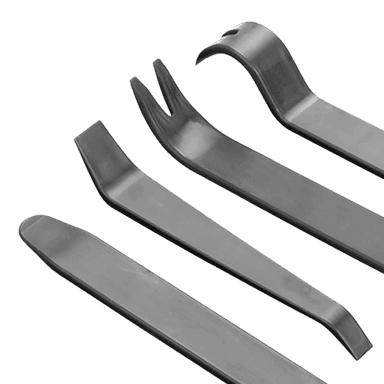
- Trim clip removal tool
- 10mm socket
- 12mm socket
- 14mm socket
- 3/8" drive ratchet
- 3/8" drive torque wrench
- Flat-blade screwdriver
- Pliers
- Drain pan (2-gallon minimum)
- Funnel
- Vacuum coolant fill tool (specialty)
- Scan tool with Toyota hybrid data (specialty)
🔩 Required Parts
HowToo sells all the parts you need for this repair:
- Inverter with converter assembly (DC-DC converter integrated) - Qty: 1
- Inverter coolant (Toyota Super Long Life Coolant compatible) - Qty: 2-3 quarts
- Inverter coolant hose clamps (as needed) - Qty: 2-6
- Inverter coolant hose O-rings / seals (as required by transfer hoses) - Qty: 1 set
- 12V battery terminal anti-corrosion pads (optional) - Qty: 2
📋 Before You Begin
- Park on level ground, shift to P, and keep the key fob at least 15 feet away.
- Open the hood and remove the plastic engine cover using a trim clip removal tool if equipped.
- Disable high voltage: remove the HV service plug grip (the hybrid battery disconnect). This is the safety “pull plug” for the hybrid battery.
- Wait the required discharge time (commonly 10 minutes) before touching any hybrid power components.
- Disconnect the 12V system: use a 10mm socket to remove the 12V negative battery terminal and isolate it.
🔨 Step-by-Step Instructions
Follow these steps in order:
Step 1: Confirm you’re not chasing a weak 12V battery
- Use a digital multimeter (CAT III) to measure the 12V battery at rest (car OFF).
- If the battery is below normal (often <12.4V), charge it fully first; a weak 12V battery can mimic “no charge” symptoms.
- With the car in READY, use the digital multimeter (CAT III) to check charging voltage at the 12V battery; the DC-DC converter typically charges around the mid-13V to ~14V range.
Step 2: Remove the upper covers and intake ducting
- Remove push clips and covers using a trim clip removal tool.
- Loosen intake hose clamps using a flat-blade screwdriver.
- Remove the air cleaner outlet duct and related brackets using a 10mm socket.
Step 3: Remove the wiper cowl area for access (if it blocks inverter removal)
- Remove wiper arm caps and nuts using a 14mm socket.
- Remove the cowl top panel clips with a trim clip removal tool, then lift the panel off.
- Remove the cowl brace/assembly using a 10mm socket and 12mm socket as needed.
Step 4: Drain inverter coolant
- Place a drain pan (2-gallon minimum) under the inverter cooling area.
- Open the inverter coolant reservoir cap.
- Release the appropriate inverter coolant drain/connection carefully using pliers (hose clamps), then let coolant drain.
- Label hoses before removal.
Step 5: Disconnect inverter electrical connectors (low-voltage)
- Ensure HV is still disabled and 12V negative is disconnected.
- Disconnect inverter connectors by releasing locks with a flat-blade screwdriver (gently) if needed.
- Move harnesses aside without pulling on wires.
Step 6: Disconnect high-voltage cables (orange) from the inverter
- Put on high-voltage insulated gloves (Class 0).
- Remove inverter HV terminal covers using an insulated hand tool set (1000V-rated).
- Disconnect HV cable fasteners using the insulated hand tool set (1000V-rated), then cap/cover the cable ends to prevent contamination.
- Torque: Reinstall HV fasteners to Toyota factory specification with a 3/8" drive torque wrench.
Step 7: Disconnect inverter coolant hoses
- Use pliers to release clamps and remove hoses from the inverter.
- Replace any flattened O-rings/seals during reassembly.
Step 8: Remove the inverter with converter assembly
- Remove inverter mounting bolts using a 12mm socket and 14mm socket.
- Lift the inverter out carefully (it’s heavy and awkward); keep it level to avoid spilling coolant.
- Torque: Reinstall mounting bolts to Toyota factory specification using a 3/8" drive torque wrench.
Step 9: Install the replacement inverter and reconnect everything
- Set the replacement unit in place and start bolts by hand to avoid cross-threading.
- Reconnect coolant hoses and secure clamps using pliers.
- Reconnect all low-voltage connectors by hand until the locks click.
- Reconnect HV cables using the insulated hand tool set (1000V-rated) and tighten with a 3/8" drive torque wrench to Toyota factory specification.
Step 10: Refill and bleed the inverter coolant
- Use a vacuum coolant fill tool (specialty) to pull vacuum and refill with inverter coolant to reduce air pockets. Air pockets can overheat the inverter.
- Top off the reservoir using a funnel.
- Use a scan tool with Toyota hybrid data (specialty) to command the inverter coolant pump ON if supported; otherwise, follow the correct READY/IG-ON procedure per Toyota service info to circulate coolant.
- Recheck the level and add coolant as needed.
Step 11: Reassemble cowl and intake parts
- Reinstall cowl brace/panels using a 10mm socket and 12mm socket.
- Reinstall wiper arms using a 14mm socket.
- Reinstall intake ducting and tighten clamps using a flat-blade screwdriver.
Step 12: Restore power (12V first, then HV)
- Reconnect the 12V negative terminal using a 10mm socket and tighten to Toyota factory specification.
- Reinstall the HV service plug grip fully and lock it correctly. Incomplete locking can cause no-start.
✅ After Repair
- Start the car and confirm it goes to READY with no warning lights.
- Use a scan tool with Toyota hybrid data (specialty) to check for stored DTCs and confirm DC-DC converter charging data looks normal.
- With the car in READY, verify 12V charging voltage again using a digital multimeter (CAT III).
- Recheck inverter coolant level after a short drive and top off if needed.
- Inspect for coolant leaks around inverter hoses and clamps.
💰 DIY vs Shop Cost
Shop Cost: $1,500-$3,500 (parts + labor)
DIY Cost: $800-$2,500 (parts only)
You Save: $700-$1,000+ by doing it yourself!
Shop labor rates vary but typically run $100-$150/hour. This repair takes a shop approximately 3-6 hours.
🎯 Ready to get started?
HowToo makes it easy: same-day/2-day shipping on every part, plus all the tools and specialty tools you need! Check out the parts and tools sections below to add everything to your cart.