

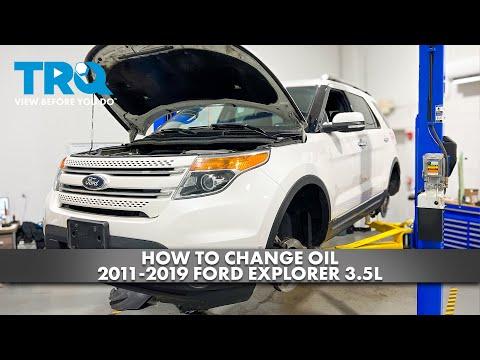







How to Change Engine Oil and Oil Filter on a 2018 Ford Explorer
Step-by-step instructions with tools, parts, torque specs, and oil reset tips for 2011, 2012, 2013, 2014, 2015, 2016, 2017, 2018
How to Change Engine Oil and Oil Filter on a 2018 Ford Explorer
Step-by-step instructions with tools, parts, torque specs, and oil reset tips for 2011, 2012, 2013, 2014, 2015, 2016, 2017, 2018


🔧 Engine Oil & Oil Filter - Oil Change
Changing the oil and filter keeps the engine lubricated and helps it run cooler and cleaner. On your Explorer, this is a straightforward service if you support the vehicle safely and tighten the drain plug and filter correctly.
Difficulty Level: Beginner | Estimated Time: 1-1.5 hours
⚠️ Safety & Precautions
- Work on a cool engine so you do not burn yourself on hot oil or exhaust parts.
- Support the vehicle with jack stands; never rely on a floor jack alone.
- Keep oil off the serpentine belt, exhaust, and driveway to avoid slipping and smoke.
- Dispose of used oil and the filter properly at a recycling center.
🔧 Required Tools
You'll need the following tools for this repair:
- Floor jack (rated 3-ton minimum)
- Jack stands (rated for vehicle weight)
- Wheel chocks
- 15mm socket
- Ratchet
- Oil filter wrench
- Drain pan
- Funnel
- Torque wrench
- Shop towels
- Gloves
- Safety glasses
🔩 Required Parts
HowToo sells all the parts you need for this repair:
- Engine oil 5W-20 synthetic - Qty: 6 quarts
- Oil filter - Qty: 1
- Oil drain plug washer - Qty: 1
📋 Before You Begin
- Park on level ground and set the parking brake.
- Put wheel chocks behind the rear wheels.
- Let the engine cool for at least 30 minutes.
- Open the hood and remove the oil fill cap and dipstick to help the oil drain faster.
🔨 Step-by-Step Instructions
Follow these steps in order:
Step 1: Lift and secure the front end
- Use a floor jack to raise the front of your Explorer at the proper lift point.
- Place jack stands under the front support points and lower the vehicle onto them.
- Make sure the vehicle is stable before going underneath.
Step 2: Remove the oil drain plug
- Position the drain pan under the oil pan.
- Use a 15mm socket and ratchet to remove the drain plug.
- Let the oil drain completely.
- Replace the drain plug washer if equipped.
- Install the drain plug and Torque to 27 Nm (20 ft-lbs).
Step 3: Remove the oil filter
- Move the drain pan under the oil filter area.
- Use an oil filter wrench to loosen and remove the old filter.
- Check that the old filter gasket came off with the filter.
- Lightly coat the new filter gasket with fresh oil.
Step 4: Install the new oil filter
- Spin the new filter on by hand until the gasket touches the mounting surface.
- Tighten the filter an additional 3/4 turn by hand.
- Do not use a wrench to over-tighten.
Step 5: Refill with engine oil
- Lower the vehicle back to level ground.
- Use a funnel to add 6 quarts of 5W-20 synthetic oil through the oil fill hole.
- Install the oil fill cap.
Step 6: Check the oil level
- Start the engine and let it run for 30 seconds.
- Shut it off and wait 5 minutes.
- Use the dipstick to check the level.
- Add oil in small amounts if needed until the level is at the full mark.
✅ After Repair
- Look underneath for leaks at the drain plug and filter.
- Check the dipstick again after a short drive.
- Reset the oil life monitor if your Explorer shows one in the driver display: Menu > Settings > Vehicle > Oil Life Reset.
💰 DIY vs Shop Cost
Shop Cost: $110-$180 (parts + labor)
DIY Cost: $45-$75 (parts only)
You Save: $65-$105 by doing it yourself!
Shop labor rates vary but typically run $100-$150/hour. This repair takes a shop approximately 0.8-1.0 hours.
🎯 Ready to get started?
HowToo makes it easy: same-day/2-day shipping on every part, plus all the tools and specialty tools you need! Check out the parts and tools sections below to add everything to your cart.