

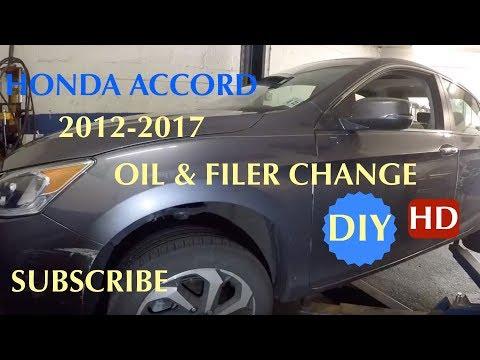





How to Change Engine Oil and Oil Filter on a 2017 Honda Accord
Step-by-step oil change guide with tools, parts, torque specs, and safety tips for 2010, 2011, 2012, 2013, 2014, 2015, 2016, 2017
How to Change Engine Oil and Oil Filter on a 2017 Honda Accord
Step-by-step oil change guide with tools, parts, torque specs, and safety tips for 2010, 2011, 2012, 2013, 2014, 2015, 2016, 2017


🔧 Engine Oil & Oil Filter - Oil Change
This service replaces the old engine oil and the filter element so fresh oil can protect the engine properly. On your Accord, the filter is a cartridge-style element inside a housing, so you’ll service the housing instead of spinning on a metal canister.
Difficulty Level: Beginner | Estimated Time: 1-1.5 hours
⚠️ Safety & Precautions
- Work on a level surface and set the parking brake before starting.
- Engine oil and exhaust parts can be hot; let the engine cool first.
- Use jack stands if you raise the vehicle. Never rely on a jack alone.
- Do not overfill the engine with oil.
- Battery disconnect is not required for this service.
- Tip: Warm oil drains faster, but it should not be hot.
🔧 Required Tools
You'll need the following tools for this repair:
- 17mm socket
- 3/8-inch ratchet
- 65mm 14-flute oil filter socket
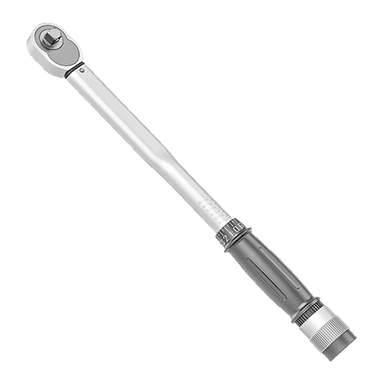
- Torque wrench
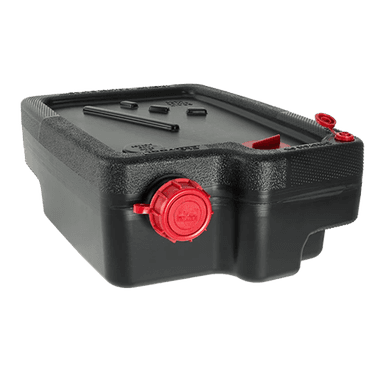
- Oil drain pan
- Floor jack (rated 3-ton minimum)
- Jack stands
- Wheel chocks
- Funnel
- Clean shop towels
- Nitrile gloves
- Safety glasses
🔩 Required Parts
HowToo sells all the parts you need for this repair:
- Engine oil (0W-20 full synthetic) - Qty: 4.5 quarts
- Oil filter element - Qty: 1
- Oil filter housing O-ring set - Qty: 1
- Drain plug crush washer - Qty: 1
📋 Before You Begin
- Park on level ground and chock the rear wheels.
- Let the engine sit long enough to avoid hot-oil burns.
- Gather all parts before draining the oil.
- Tip: Keep the new oil cap loose nearby.
🔨 Step-by-Step Instructions
Follow these steps in order:
Step 1: Raise and secure the front of the vehicle
- Use a floor jack to lift the front of the vehicle at the proper lift point.
- Place the vehicle on jack stands and make sure it is stable before crawling underneath.
- Leave the parking brake set and keep the rear wheels chocked.
Step 2: Remove the oil fill cap and loosen the drain plug
- Open the hood and remove the oil fill cap by hand.
- Place the oil drain pan under the oil pan.
- Use a 17mm socket and ratchet to loosen the drain plug.
- Remove the plug carefully and let the oil drain fully.
Step 3: Remove the oil filter housing
- Move the drain pan under the filter housing.
- Use the 65mm 14-flute oil filter socket to loosen and remove the housing cap.
- Pull the old filter element off the cap and remove the old O-rings.
- Tip: Oil will spill from the housing, so keep the pan centered.
Step 4: Install the new filter element and O-rings
- Install the new filter element onto the cap.
- Lubricate the new O-rings with clean engine oil and install them in the correct grooves.
- Thread the housing back in by hand first to avoid cross-threading.
- Use a torque wrench with the 65mm 14-flute oil filter socket to torque the housing to 30 Nm (22 ft-lbs).
Step 5: Reinstall the drain plug
- Install a new drain plug crush washer on the drain plug.
- Thread the plug in by hand first.
- Use a 17mm socket and torque wrench to tighten the drain plug to 39 Nm (29 ft-lbs).
Step 6: Refill with fresh engine oil
- Lower the vehicle back to level ground.
- Use a funnel and pour in about 4.5 quarts of 0W-20 full synthetic oil.
- Install the oil fill cap.
- Wait a minute, then check the dipstick and top off slowly if needed.
Step 7: Start and check for leaks
- Start the engine and let it idle for 30-60 seconds.
- Check under the vehicle and around the filter housing for leaks.
- Shut the engine off and recheck the oil level after a few minutes.
✅ After Repair
- Make sure the oil level sits between the dipstick marks.
- Verify the drain plug and filter housing are dry.
- Reset the oil life reminder through the vehicle’s maintenance menu if needed.
- Take a short drive, then recheck for leaks one more time.
💰 DIY vs Shop Cost
Shop Cost: $80-$140 (parts + labor)
DIY Cost: $35-$60 (parts only)
You Save: $45-$80 by doing it yourself!
Shop labor rates vary but typically run $100-$150/hour. This repair takes a shop approximately 0.7-1.0 hours.
🎯 Ready to get started?
HowToo makes it easy: same-day/2-day shipping on every part, plus all the tools and specialty tools you need! Check out the parts and tools sections below to add everything to your cart.