





How to Change Engine Oil and Filter on a 2013 Jeep Wrangler 3.6L V6 (Engine: V6 3.6L)
Step-by-step oil change guide with 5W-20 capacity, tools, torque specs, and reset tips for 2013
How to Change Engine Oil and Filter on a 2013 Jeep Wrangler 3.6L V6 (Engine: V6 3.6L)
Step-by-step oil change guide with 5W-20 capacity, tools, torque specs, and reset tips for 2013


🔧 Wrangler - Engine Oil & Oil Filter Replacement
This job drains the old engine oil, replaces the oil filter, and refills your Wrangler with fresh oil. Clean oil protects the 3.6L V6 from wear, heat, and sludge buildup.
Difficulty Level: Beginner | Estimated Time: 30-60 minutes
⚠️ Safety & Precautions
- ⚠️ Let the engine cool until it is warm, not hot. Hot oil can burn skin.
- ⚠️ Park on level ground and set the parking brake before starting.
- ⚠️ Never crawl under the vehicle if it is supported only by a jack.
- ⚠️ The oil filter cap is plastic. Do not overtighten it or it can crack.
- ⚠️ Battery disconnect is not required for this repair.
🔧 Required Tools
You'll need the following tools for this repair:
- 13mm socket
- 24mm socket
- 3/8-inch drive ratchet
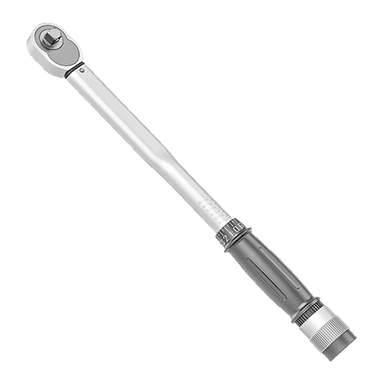
- 3/8-inch drive torque wrench
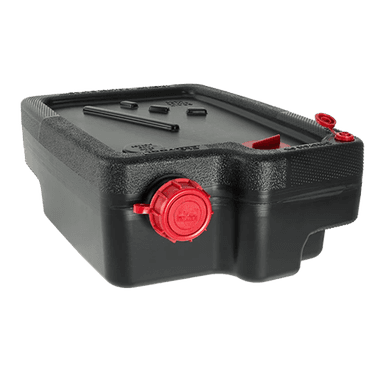
- Oil drain pan 8-quart minimum
- Plastic trim tool
- Funnel
- Shop towels
- Nitrile gloves
- Safety glasses
- Wheel chocks
🔩 Required Parts
HowToo sells all the parts you need for this repair:
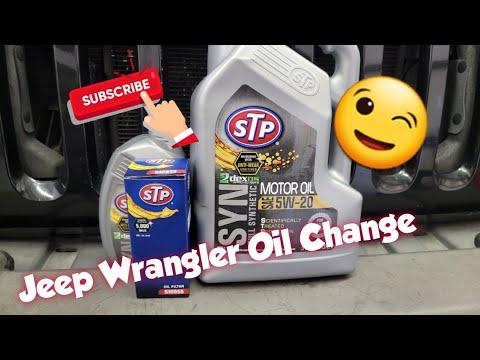
- Engine oil 5W-20 full synthetic - Qty: 6 quarts
- Engine oil filter cartridge with O-ring - Qty: 1
- Oil drain plug sealing washer - Qty: 1
📋 Before You Begin
- 🚗 Park your Wrangler on level ground.
- 🅿️ Put the manual transmission in 1st gear and set the parking brake.
- 🧱 Place wheel chocks behind the rear tires.
- 🔥 Run the engine for 2-3 minutes if it is cold, then shut it off. Warm oil drains faster.
- 🧰 A torque wrench tightens bolts to an exact force so parts are not left loose or overtightened.
- ♻️ Have a sealed container ready for used oil and recycle it properly.
🔨 Step-by-Step Instructions
Follow these steps in order:
Step 1: Open the Hood and Remove the Oil Fill Cap
- Use your hand to open the hood and secure it with the prop rod.
- Use your hand to remove the oil fill cap on top of the engine.
- Pull the engine oil dipstick up slightly by hand. This helps oil drain smoothly.
- Tip: Set the cap somewhere clean.
Step 2: Remove the Engine Cover
- Use your hands to lift the plastic engine cover straight upward.
- If it feels stuck, use a plastic trim tool gently at the rubber grommet areas.
- Set the cover aside where it will not get stepped on.
Step 3: Position the Drain Pan
- Use an 8-quart minimum oil drain pan under the engine oil pan drain plug.
- The drain plug is at the bottom of the oil pan.
- Wear nitrile gloves and safety glasses before loosening the plug.
Step 4: Drain the Old Engine Oil
- Use a 13mm socket and 3/8-inch drive ratchet to loosen the oil drain plug.
- Finish removing the plug by hand while keeping slight inward pressure on it.
- Pull the plug away quickly and let the oil drain into the pan.
- Allow the oil to drain until it slows to an occasional drip.
- Use shop towels to clean the drain plug and oil pan sealing surface.
Step 5: Reinstall the Drain Plug
- Install a new oil drain plug sealing washer onto the drain plug by hand.
- Thread the drain plug into the oil pan by hand first. This prevents cross-threading, which means damaging the threads by starting the bolt crooked.
- Use a 13mm socket and 3/8-inch drive torque wrench to tighten the drain plug.
- Torque to 27 Nm (20 ft-lbs)
- Wipe the area clean with shop towels.
Step 6: Remove the Oil Filter Cap
- Locate the oil filter housing on top of the engine, near the front center of the V6.
- Use a 24mm socket and 3/8-inch drive ratchet to loosen the plastic oil filter cap.
- Lift the cap and old filter cartridge straight up.
- Keep shop towels nearby because some oil may drip.
Step 7: Replace the Filter Cartridge and O-ring
- Pull the old oil filter cartridge off the cap by hand.
- Use a plastic trim tool to carefully remove the old O-ring from the oil filter cap groove. An O-ring is a rubber seal that prevents leaks.
- Lightly coat the new O-ring with fresh engine oil using your gloved finger.
- Install the new O-ring into the correct groove on the oil filter cap.
- Push the new filter cartridge onto the cap until it seats fully.
- Tip: Never reuse the old O-ring.
Step 8: Reinstall the Oil Filter Cap
- Lower the oil filter cap and new cartridge into the housing by hand.
- Thread the cap by hand first to avoid damaging the plastic threads.
- Use a 24mm socket and 3/8-inch drive torque wrench to tighten the cap.
- Torque to 25 Nm (18 ft-lbs)
- Do not tighten past the torque spec.
Step 9: Add Fresh Engine Oil
- Place a funnel into the engine oil fill opening.
- Pour in 6 quarts of 5W-20 full synthetic engine oil.
- Use shop towels to wipe up any spills.
- Reinstall the oil fill cap by hand.
- Push the dipstick fully back into its tube by hand.
Step 10: Start the Engine and Check for Leaks
- Start the engine and let it idle for 30-60 seconds.
- Use a flashlight if needed and look under the engine for leaks at the drain plug.
- Look around the oil filter cap for leaks.
- Shut the engine off and wait 5 minutes so oil can drain back into the pan.
Step 11: Check the Oil Level
- Use a shop towel to wipe the dipstick clean.
- Insert the dipstick fully, then pull it out again.
- Check that the oil level is between the safe marks on the dipstick.
- If low, use the funnel to add a small amount of 5W-20 oil, then recheck.
- Do not overfill the engine.
Step 12: Reinstall the Engine Cover
- Line up the engine cover with its mounting posts by hand.
- Press downward firmly with your hands until the cover seats into the rubber grommets.
- Remove the wheel chocks after the repair is complete.
Step 13: Reset the Oil Change Indicator
- Turn the ignition to ON without starting the engine.
- Use your foot to slowly press the accelerator pedal fully to the floor 3 times within 10 seconds.
- Turn the ignition OFF.
- Start the engine and confirm the oil change message is gone.
- If the message remains, repeat the pedal sequence carefully.
✅ After Repair
- ✅ Let the engine run for another minute and confirm there are no leaks.
- ✅ Recheck the oil level after the first short drive.
- ✅ Dispose of used oil and the old filter at an oil recycling center or auto parts store.
- ✅ Write down the mileage and date of the oil change.
- ✅ Check the drain plug and oil filter cap again after a day of driving.
💰 DIY vs Shop Cost
Shop Cost: $90-$160 (parts + labor)
DIY Cost: $45-$85 (parts only)
You Save: $45-$75 by doing it yourself!
Shop labor rates vary but typically run $100-$150/hour. This repair takes a shop approximately 0.4-0.7 hours.
🎯 Ready to get started?
HowToo makes it easy: same-day/2-day shipping on every part, plus all the tools and specialty tools you need! Check out the parts and tools sections below to add everything to your cart.