





2021 Hyundai Tucson Timing Belt Replacement? It Uses a Timing Chain—How to Diagnose Noise & Codes
Learn the difference between timing chain vs serpentine belt, symptoms to check, required tools/parts, and the right repair path
2021 Hyundai Tucson Timing Belt Replacement? It Uses a Timing Chain—How to Diagnose Noise & Codes
Learn the difference between timing chain vs serpentine belt, symptoms to check, required tools/parts, and the right repair path


🔧 Tucson - Timing Belt Replacement (Not Equipped)
Your Tucson’s 2.0L engine uses a timing chain, not a timing belt. That means there is no regular “timing belt replacement” interval like older belt-driven engines; the chain is inside the engine behind sealed covers.
Before we go further: are you trying to fix a symptom (rattle/noise/check-engine light), or did someone tell you it’s “due” for a timing belt service? Also—are you possibly asking about the serpentine drive belt (the outside belt that drives the alternator/A/C)?
Difficulty Level: Advanced | Estimated Time: 8-14 hours
⚠️ Safety & Precautions
- ⚠️ Do not run the engine with any covers/belts removed.
- ⚠️ Support the engine properly if an engine mount is removed (common during timing chain service).
- ⚠️ Let the engine cool fully before working near the exhaust/cooling system.
- ⚠️ Battery disconnect is recommended before deep engine work to prevent accidental cranking.
🔧 Required Tools
You'll need the following tools for this repair:
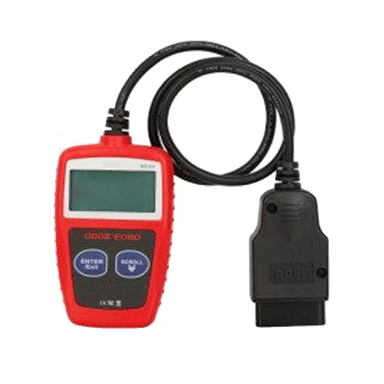
- OBD2 scan tool
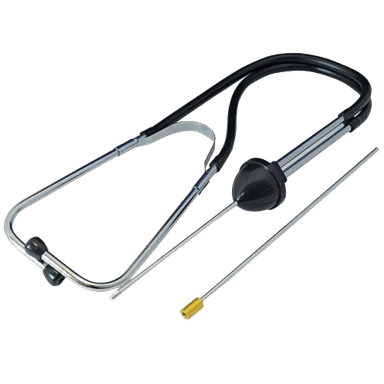
- Mechanic stethoscope
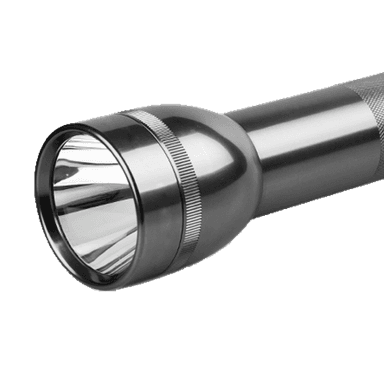
- Flashlight
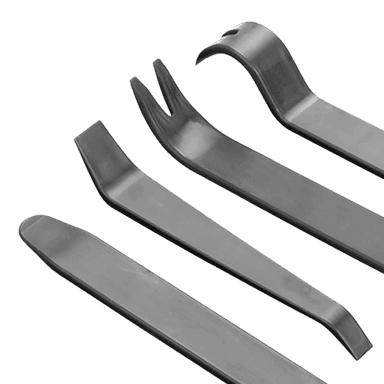
- Trim clip removal tool
- 10mm socket
- 12mm socket
- 14mm socket
- 17mm socket
- 3/8" ratchet
- 1/2" breaker bar
- Torque wrench (10–200 Nm)
- Floor jack (rated 3-ton minimum)
- Jack stands (rated 3-ton minimum)
- Wheel chocks
- Nitrile gloves
- Safety glasses
- Engine support bar (specialty)
- Timing chain holding/locking tool set (specialty)
🔩 Required Parts
HowToo sells all the parts you need for this repair:
- Timing chain kit (chain, guides, tensioner) - Qty: 1
- Front cover gasket / sealant (OEM-spec RTV) - Qty: 1
- Crankshaft front oil seal - Qty: 1
- Engine oil (OEM-spec) - Qty: 5 quarts
- Oil filter - Qty: 1
- Coolant (OEM-spec) - Qty: 1
- Accessory drive belt - Qty: 1
📋 Before You Begin
- Park on level ground, set the parking brake, and use wheel chocks.
- Disconnect the negative battery cable using a 10mm socket.
- Raise the front safely with a floor jack and support with jack stands.
- If you are chasing a noise, scan for codes first using an OBD2 scan tool (write down any codes).
🔨 Step-by-Step Instructions
Follow these steps in order:
Step 1: Confirm what you actually need to replace
- Open the hood and use a flashlight to look at the belt you can see on the side of the engine.
- If you see an outside belt driving accessories, that is the serpentine drive belt (not the timing belt).
- The timing chain is inside the engine behind the front cover; it is not visible without major disassembly.
Step 2: Check for common “timing chain” symptoms (before replacing parts)
- Use an OBD2 scan tool to check for cam/crank correlation faults (often shows as timing-related codes).
- With the engine idling, carefully listen near the timing cover area using a mechanic stethoscope (a stethoscope is a listening tool that helps pinpoint internal engine noises).
- If there’s a brief rattle on cold start, note how long it lasts and whether it changes with engine speed.
Step 3: Decide the correct repair path
- If the issue is a worn/noisy outside belt, the repair is serpentine belt replacement (much easier).
- If you have timing-related codes, persistent timing cover noise, or confirmed timing chain slack, the repair is timing chain service (advanced and requires special tools and exact torque/spec procedures).
- Don’t replace a chain “on schedule”.
Step 4: If you meant the serpentine (accessory) belt instead
- Tell me and I’ll give you the correct Tucson-specific belt replacement steps and routing.
- You’ll typically use a breaker bar on the belt tensioner and slip the belt off/on.
Step 5: If you truly want timing chain replacement
- This job requires locking the crank/cams with a timing chain holding/locking tool set (specialty) and supporting the engine with an engine support bar (specialty).
- I can walk you through it, but I need one detail to keep it accurate: is your goal to fix a rattle/noise or a check-engine light (and if so, what codes)?
✅ After Repair
- If you replaced the serpentine belt: start the engine and watch the belt for 30–60 seconds to confirm it tracks straight and doesn’t squeal.
- If timing-related work was done: clear codes with an OBD2 scan tool, recheck for leaks, and verify normal idle and power on a short test drive.
- Recheck engine oil level after the first warm-up cycle.
💰 DIY vs Shop Cost
Shop Cost: $1,200-$2,800 (parts + labor)
DIY Cost: $250-$700 (parts only)
You Save: $950-$2,100 by doing it yourself!
Shop labor rates vary but typically run $100-$150/hour. This repair takes a shop approximately 8-14 hours.
🎯 Ready to get started?
HowToo makes it easy: same-day/2-day shipping on every part, plus all the tools and specialty tools you need! Check out the parts and tools sections below to add everything to your cart.