







2015 Toyota Camry Hybrid No-Start? Troubleshoot 12V Battery, ST Relay & Fuses (No Starter)
Step-by-step diagnostics, tools, parts list, safety tips, and key checks to restore READY mode
2015 Toyota Camry Hybrid No-Start? Troubleshoot 12V Battery, ST Relay & Fuses (No Starter)
Step-by-step diagnostics, tools, parts list, safety tips, and key checks to restore READY mode


🔧 Camry - Starter Motor Replacement
Your Camry Hybrid does not use a conventional 12V starter motor like a non-hybrid. The gasoline engine is started by MG1 (a motor-generator) inside the transaxle, so there’s no bolt-on “starter motor” to replace.
If you have a “won’t crank / won’t start” symptom, the most common DIY-fix items are the 12V auxiliary battery, related fuses, and the starter (ST) relay—those are accessible and serviceable.
Difficulty Level: Intermediate | Estimated Time: 0.5-1.5 hours (12V battery/relay checks & replacement)
⚠️ Safety & Precautions
- ⚠️ Hybrid systems contain high voltage; do not open orange cables or hybrid components.
- ⚠️ If you disconnect the 12V battery, you may lose radio presets and auto window function until re-initialized.
- ⚠️ Keep the key fob at least 15 feet away so the car can’t wake up unexpectedly.
- ⚠️ For DIY steps below, 12V battery disconnect is required before touching the fuse/relay box wiring.
🔧 Required Tools
You'll need the following tools for this repair:
- 10mm socket
- 12mm socket
- 3/8" drive ratchet
- 3" extension
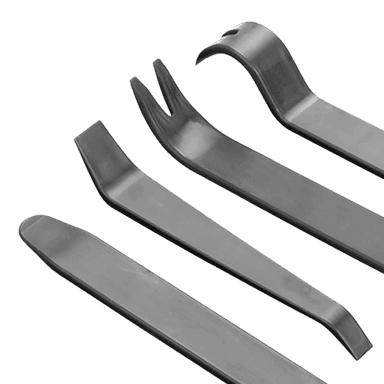
- Trim clip removal tool
- Needle-nose pliers
- Fuse puller
- Digital multimeter
- Torque wrench (5-25 Nm range)
- Safety glasses
- Mechanic gloves
🔩 Required Parts
HowToo sells all the parts you need for this repair:
- 12V auxiliary battery (AGM type, hybrid-specific) - Qty: 1
- Starter relay (ST relay) - Qty: 1
- Main fuse(s) as-needed (AM2 / IG / ST circuit, vehicle-matched) - Qty: 1
- Battery terminal anti-corrosion pads - Qty: 2
📋 Before You Begin
- Park on level ground, shift to P, and set the parking brake.
- Turn the car OFF and keep the key fob far away.
- Open the trunk and access the 12V auxiliary battery (the small battery that powers computers and relays).
- Have your radio presets noted if you care about them.
🔨 Step-by-Step Instructions
Follow these steps in order:
Step 1: Confirm you’re chasing the right problem
- Press POWER with your foot on the brake and see if the READY light comes on.
- If READY turns on, the hybrid system is awake and a “starter motor” is not the issue (there isn’t one).
- If READY will not turn on, continue below—this is often a weak 12V battery or a power/relay issue.
Step 2: Disconnect the 12V auxiliary battery
- Use a 10mm socket to loosen the negative terminal nut.
- Remove the negative cable and tuck it aside so it cannot spring back. Negative off first is safest.
Step 3: Quick 12V battery health check (optional but recommended)
- Use a digital multimeter (it measures voltage) across the battery posts.
- As a quick guide: around 12.6V is healthy; 12.0V or lower is usually too weak to boot hybrid computers reliably.
- If voltage is low, replacing the 12V battery is often the fix—continue to Step 6.
Step 4: Check the under-hood fuse/relay box for the ST/IG fuses
- Open the hood and locate the fuse/relay box near the driver-side of the engine bay.
- Release the cover latches by hand; if clips are tight, use a trim clip removal tool gently.
- Use a fuse puller to remove and inspect the related start/ignition fuses (your cover diagram will label them).
- If a fuse is blown, replace it with the same rating using needle-nose pliers or the fuse puller.
Step 5: Replace the starter (ST) relay (common, easy DIY)
- With the fuse box cover off, identify the ST relay using the diagram on the cover.
- Pull the relay straight up by hand; if tight, wiggle gently using needle-nose pliers.
- Push the new relay fully into place by hand until it seats evenly.
Step 6: Replace the 12V auxiliary battery (if needed)
- In the trunk, remove access panels/clips using a trim clip removal tool.
- Disconnect the positive terminal using a 10mm socket (after negative is already off).
- Remove the battery hold-down using a 12mm socket.
- Lift out the battery carefully (it’s heavier than it looks).
- Install the new AGM battery and reinstall the hold-down. Torque to 5 Nm (44 in-lbs) (snug, not crushing).
- Reconnect positive first, then negative using a 10mm socket. Torque to 5 Nm (44 in-lbs).
- Install battery terminal anti-corrosion pads before tightening if you’re using them.
Step 7: Reassemble
- Reinstall the under-hood fuse box cover by hand until all latches click.
- Reinstall trunk panels/clips using the trim clip removal tool.
✅ After Repair
- Press POWER with your foot on the brake and confirm the READY light comes on.
- Check that there are no warning messages related to low voltage.
- Re-initialize auto windows if needed: hold the window switch down to fully open, then up to fully close, holding 2 seconds at each end.
- If it still won’t go READY after a known-good 12V battery and fuse/relay checks, the issue may involve hybrid control or the transaxle MG1 system—this is typically dealer-level diagnosis/repair.
💰 DIY vs Shop Cost
Shop Cost: $250-$600 (battery/relay diagnostics and replacement)
DIY Cost: $40-$280 (parts only, depending on relay vs battery)
You Save: $150-$400 by doing it yourself!
Shop labor rates vary but typically run $100-$150/hour. This repair takes a shop approximately 0.5-1.5 hours.
🎯 Ready to get started?
HowToo makes it easy: same-day/2-day shipping on every part, plus all the tools and specialty tools you need! Check out the parts and tools sections below to add everything to your cart.