






2015 Ford Fusion Hybrid No-Start Diagnosis: Fix “Bad Starter” Symptoms (No 12V Starter)
Step-by-step checks for 12V battery, terminals/grounds, mega fuse, and OBD2 codes—plus hybrid safety tips
2015 Ford Fusion Hybrid No-Start Diagnosis: Fix “Bad Starter” Symptoms (No 12V Starter)
Step-by-step checks for 12V battery, terminals/grounds, mega fuse, and OBD2 codes—plus hybrid safety tips


🔧 Fusion - Starter Motor Replacement
On your Fusion Hybrid, there is no traditional 12V starter motor like most gas-only cars use. The gas engine is typically started by the hybrid motor-generator inside the transaxle, so “starter replacement” is usually not a serviceable bolt-on job.
Assumption: You’re trying to fix a no-crank/no-start or “starter” symptom on a Fusion Hybrid.
Difficulty Level: Advanced | Estimated Time: 0.5-1.5 hours (checks) / 8-14 hours (transaxle hybrid motor work)
⚠️ Safety & Precautions
- ⚠️ Hybrid systems use high voltage that can seriously injure or kill; do not open orange cables or hybrid components.
- ⚠️ Always power down the vehicle and remove the key/fob from the car while working.
- ⚠️ If you must disconnect the 12V battery, keep windows down and trunk accessible first.
- ⚠️ Never probe or unplug connectors on the transaxle/hybrid motor area unless the HV system is properly depowered per OEM procedure.
🔧 Required Tools
You'll need the following tools for this repair:
- 10mm socket
- 8mm socket
- Ratchet (3/8")
- 6" extension (3/8")
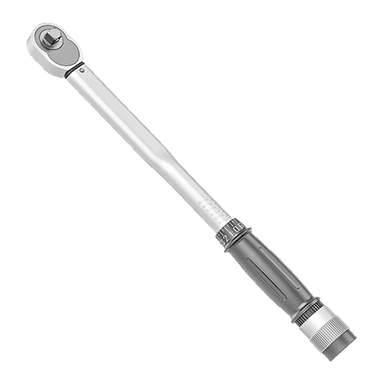
- Torque wrench (inch-pound or Nm capable)
- Digital multimeter
- OBD2 scan tool
- Battery terminal puller (specialty)
- Trim clip removal tool
- Shop light
- Nitrile gloves
- Safety glasses
🔩 Required Parts
HowToo sells all the parts you need for this repair:
- 12V battery (group size correct for Fusion Hybrid) - Qty: 1
- Battery terminal hardware kit - Qty: 1
- Main fuse link / mega fuse (if failed) - Qty: 1
📋 Before You Begin
- Park on level ground, shift to Park, and set the parking brake.
- Turn the car off, close the doors, and keep the key/fob at least 15 feet away.
- Wait 2–3 minutes so modules go to sleep before disconnecting 12V power.
- Know this term: a mega fuse is a large high-amp fuse protecting main power feeds.
🔨 Step-by-Step Instructions
Follow these steps in order:
Step 1: Confirm it’s not a conventional starter issue
- Use your OBD2 scan tool to check for codes (DTCs) related to starting, 12V power, or hybrid system.
- If you have hybrid-system warnings or “Stop Safely Now” type messages, avoid parts swapping and focus on code-based diagnosis.
Step 2: Check the 12V battery voltage (most common cause)
- Set the digital multimeter to DC volts.
- Measure across the 12V battery terminals: ~12.6V is healthy (engine off), ~12.2V is weak, ~12.0V or less is often a no-start risk.
- Low 12V can mimic “bad starter.”
Step 3: Inspect battery terminals and grounds
- Check for loose or corroded terminals (white/green buildup).
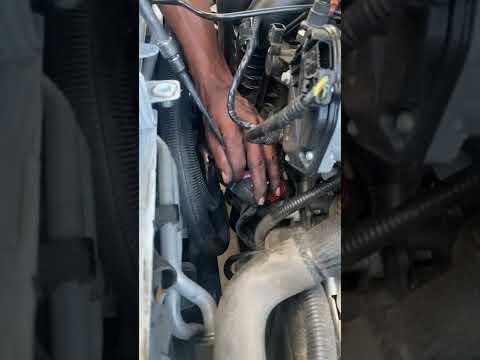
- Use a 10mm socket to verify the terminal clamp fasteners are snug, then finish with a torque wrench: Torque to 5 Nm (44 in-lbs).
- Visually inspect the main ground cable where it bolts to body/engine—loose grounds can cause intermittent no-start.
Step 4: Safely disconnect and reconnect the 12V battery (reset test)
- Use a 10mm socket to loosen the negative (-) terminal first and remove it.
- Wait 2 minutes, then reinstall the negative terminal and tighten: Torque to 5 Nm (44 in-lbs).
- This can clear some module “lockups” caused by low voltage events.
Step 5: Check main fuses and the mega fuse
- Open the under-hood fuse area and remove the cover using a trim clip removal tool if clips are present.
- Inspect high-current fuses/links for burning or melting.
- Use the digital multimeter continuity mode to verify the mega fuse is not open.
Step 6: If the engine still won’t start, do NOT attempt “starter replacement”
- On your Fusion Hybrid, the “starter” function is performed by the motor-generator inside the transaxle.
- Replacing that component typically requires hybrid high-voltage depowering and transaxle removal, which is not a safe beginner DIY job.
- At this point, use your OBD2 scan tool results to guide repair (12V supply, BCM/PCM/hybrid control faults, range sensor, etc.).
✅ After Repair
- Start the car and confirm it enters “Ready” mode normally.
- Re-scan with your OBD2 scan tool and clear any low-voltage history codes if appropriate.
- Check that radio presets/clock and one-touch window function behave normally after 12V disconnect.
💰 DIY vs Shop Cost
Shop Cost: $200-$500 (battery/terminal/fuse diagnosis & repair) / $3,500-$7,500 (hybrid motor/transaxle-level repair)
DIY Cost: $0-$350 (parts only, if battery/terminals/fuse)
You Save: $200-$500 by doing it yourself!
Shop labor rates vary but typically run $100-$150/hour. This repair takes a shop approximately 1-2 hours (12V issue) or 10-16 hours (transaxle work).
🎯 Ready to get started?
HowToo makes it easy: same-day/2-day shipping on every part, plus all the tools and specialty tools you need! Check out the parts and tools sections below to add everything to your cart.