

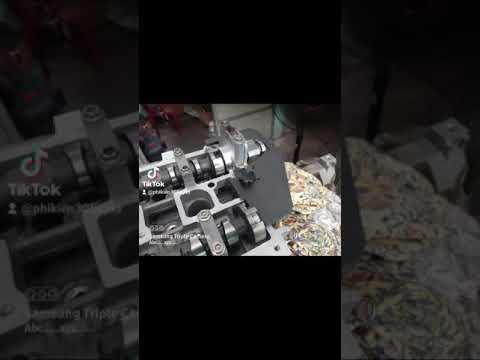







2015 Ford Focus 2.0L Timing Chain Replacement Guide (No Timing Belt)
Step-by-step instructions with required tools, parts list, safety tips, and timing verification checks for 2013, 2014, 2015
2015 Ford Focus 2.0L Timing Chain Replacement Guide (No Timing Belt)
Step-by-step instructions with required tools, parts list, safety tips, and timing verification checks for 2013, 2014, 2015


🔧 Focus - Timing Chain Replacement (No Timing Belt)
Your Focus with the 2.0L engine uses a timing chain, not a timing belt. So there is no timing belt to replace; the equivalent repair is replacing the timing chain, guides, and tensioner if they’re worn/noisy or if timing-related faults are present.
Difficulty Level: Advanced | Estimated Time: 6-10 hours
Assumption: Stock 2.0L with factory timing chain setup.
⚠️ Safety & Precautions
- 🛑 Let the engine cool fully before opening the cooling system.
- 🛑 Disconnect the negative battery cable to prevent accidental starts.
- 🛑 Support the engine before removing the right-side engine mount.
- 🛑 Do not rotate the crank/cams with the chain removed unless properly locked.
- 🛑 Keep hands clear when releasing the chain tensioner (spring/oil pressure loaded).
🔧 Required Tools
You'll need the following tools for this repair:
- Safety glasses
- Mechanic gloves
- Floor jack (rated 3-ton minimum)
- Jack stands (rated 3-ton minimum)
- Wheel chocks
- Drain pan (10-quart minimum)
- Funnel
- Trim clip remover
- Flat-blade screwdriver
- 8mm socket
- 10mm socket
- 13mm socket
- 15mm socket
- 18mm socket
- 21mm socket
- 3/8" ratchet
- 1/2" breaker bar
- Socket extensions (3" and 6")
- Torque wrench (10-150 ft-lbs range)
- Serpentine belt tool (long handle)
- Harmonic balancer puller kit
- Crank pulley holding tool (specialty)
- Camshaft/crankshaft timing locking kit (specialty)
- Gasket scraper (plastic)
- Brake cleaner spray
- Shop rags
🔩 Required Parts
HowToo sells all the parts you need for this repair:
- Timing chain kit (chain + guides + tensioner) - Qty: 1
- Front timing cover gasket set - Qty: 1
- Valve cover gasket - Qty: 1
- Front crankshaft seal - Qty: 1
- RTV silicone sealant (engine-safe) - Qty: 1
- Engine oil (5W-20 synthetic blend or full synthetic) - Qty: 5 quarts
- Oil filter - Qty: 1
- Engine coolant (Motorcraft Orange equivalent, prediluted 50/50) - Qty: 2-3 gallons
- Accessory drive belt - Qty: 1
📋 Before You Begin
- Park on level ground, put the transmission in 1st gear, and set the parking brake.
- Place wheel chocks behind the rear tires.
- Disconnect the battery with a 10mm socket (negative terminal first).
- Raise the front safely using a floor jack and support with jack stands.
- Plan to change the oil and coolant after reassembly (fluids can get contaminated during this job).
🔨 Step-by-Step Instructions
Follow these steps in order:
Step 1: Remove the splash shield and access the crank pulley
- Use a trim clip remover and 8mm socket to remove the lower splash shield fasteners.
- Remove the right-front wheel if needed for side access (use a floor jack and jack stands as required).
Step 2: Drain coolant and engine oil
- Place a drain pan (10-quart minimum) under the radiator and open the drain using a flat-blade screwdriver if equipped.
- Drain engine oil into the drain pan and plan to install a new oil filter later (use appropriate socket/wrench for your drain plug and filter style).
Step 3: Support the engine and remove the right engine mount
- Place a floor jack (rated 3-ton minimum) under the engine with a safe lifting point and gently take the engine’s weight.
- Use 15mm socket, 18mm socket, ratchet, and extensions to remove the right engine mount and bracket as needed.
- Lift only enough to unload the mount.
Step 4: Remove the accessory drive belt
- Use a serpentine belt tool (long handle) to rotate the tensioner and slip the belt off.
- If reusing the belt (not recommended), note the routing before removal.
Step 5: Remove the crank pulley (harmonic balancer)
- Use a crank pulley holding tool (specialty) to keep the pulley from turning (this tool holds the pulley while you loosen the bolt).
- Use a 21mm socket and 1/2" breaker bar to remove the crank bolt.
- If the pulley is stuck, use a harmonic balancer puller kit to remove it carefully.
- Torque to Ford specification during reassembly (this bolt is typically torque-to-yield on many engines, so replacement may be required if your parts kit includes it).
Step 6: Remove the valve cover (for timing access)
- Disconnect any hoses/connectors in the way using a flat-blade screwdriver as needed.
- Use a 10mm socket to remove valve cover bolts, then lift the cover off.
- Clean sealing surfaces with a gasket scraper (plastic) and brake cleaner spray on shop rags.
Step 7: Remove the front timing cover
- Use 8mm socket, 10mm socket, and 13mm socket to remove the timing cover fasteners.
- Gently break the seal and remove the cover without prying hard against aluminum surfaces.
- Remove the old front crankshaft seal if it stays in the cover (use a careful technique so you don’t scratch the sealing surface).
Step 8: Set the engine at Top Dead Center (TDC) and lock the timing
- Rotate the engine by hand using a 21mm socket and 1/2" breaker bar on the crank (clockwise only unless Ford service info states otherwise).
- Install the camshaft/crankshaft timing locking kit (specialty) (this kit pins/locks the engine so timing can’t slip while the chain is off).
- Torque to Ford specification for any locking-tool-related fasteners if your kit uses them.
Step 9: Remove the timing chain tensioner, guides, and chain
- Use the correct socket (commonly 10mm socket) and a ratchet to remove the tensioner.
- Remove timing guides with the appropriate sockets (commonly 8mm socket or 10mm socket).
- Lift the chain off the sprockets while the engine is locked.
Step 10: Install the new chain, guides, and tensioner
- Install new guides using the appropriate socket and torque wrench; Torque to Ford specification.
- Install the new chain, aligning colored links/marks with the sprocket timing marks (follow the kit instructions plus Ford timing mark locations).
- Install the new tensioner (some must be “pinned” then released); use a ratchet and torque wrench and Torque to Ford specification.
- Double-check marks before removing locks.
Step 11: Verify timing by hand rotation
- Remove the locking tools, then rotate the engine by hand two full turns using a 21mm socket and breaker bar.
- Reinstall the locking tools to confirm the engine returns to the correct locked position and timing marks align.
- If anything binds, stop and recheck timing immediately.
Step 12: Reinstall timing cover, valve cover, and crank pulley
- Clean mating surfaces using a gasket scraper (plastic) and brake cleaner spray.
- Apply RTV silicone sealant (engine-safe) only where Ford sealing points require it (typically joints/corners).
- Install the timing cover bolts using a ratchet and finish with a torque wrench; Torque to Ford specification.
- Install the valve cover with a new gasket using a 10mm socket and torque wrench; Torque to Ford specification.
- Reinstall the crank pulley using the crank pulley holding tool (specialty) and a torque wrench; Torque to Ford specification.
Step 13: Reinstall engine mount and belt
- Reinstall the engine mount and bracket using 15mm socket, 18mm socket, and a torque wrench; Torque to Ford specification.
- Install the accessory belt using the serpentine belt tool (long handle) and confirm it’s seated on every pulley.
Step 14: Refill fluids and reassemble underbody panels
- Install a new oil filter and refill oil using a funnel.
- Refill coolant using a funnel.
- Reinstall the splash shield using a trim clip remover and 8mm socket.
- Reconnect the battery using a 10mm socket (negative cable last).
✅ After Repair
- Start the engine and let it idle; listen for abnormal rattles near the timing cover.
- Check for oil leaks at the timing cover, valve cover, and front crank seal area.
- Bring the engine to operating temperature and confirm the heater blows hot (helps confirm coolant circulation).
- Recheck coolant level after the first full heat cycle and top off as needed.
- If the check engine light appears, have the codes read (many parts stores can scan).
💰 DIY vs Shop Cost
Shop Cost: $1,200-$2,200 (parts + labor)
DIY Cost: $250-$600 (parts only)
You Save: $950-$1,600 by doing it yourself!
Shop labor rates vary but typically run $100-$150/hour. This repair takes a shop approximately 6-10 hours.
🎯 Ready to get started?
HowToo makes it easy: same-day/2-day shipping on every part, plus all the tools and specialty tools you need! Check out the parts and tools sections below to add everything to your cart.