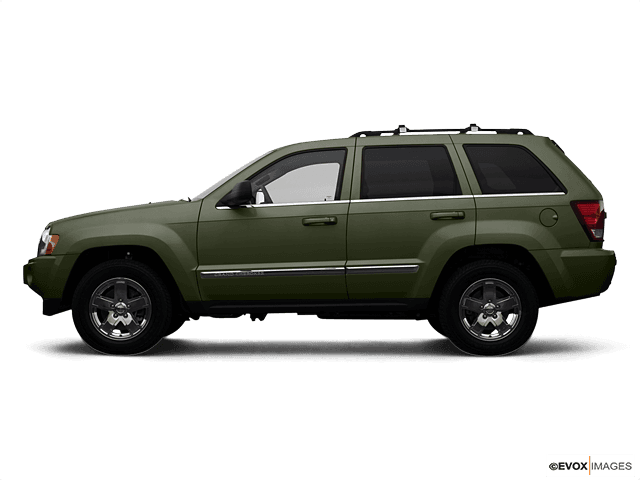





2007 Jeep Grand Cherokee Timing Belt vs Timing Chain: How to Diagnose & Fix
Step-by-step troubleshooting to confirm chain vs accessory belt, symptoms, tools, and parts list for 2007, 2008, 2009
2007 Jeep Grand Cherokee Timing Belt vs Timing Chain: How to Diagnose & Fix
Step-by-step troubleshooting to confirm chain vs accessory belt, symptoms, tools, and parts list for 2007, 2008, 2009


🔧 Grand Cherokee - Timing Belt Replacement
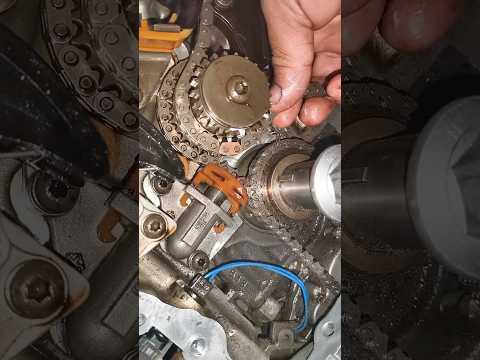
Your Grand Cherokee’s 3.0L turbo diesel does not use a timing belt. It uses a timing chain (an internal metal chain lubricated by engine oil), so there isn’t a normal “timing belt replacement” service like on many gas engines.
Before I lay out steps, I need one quick clarification so I don’t send you down the wrong path.
Difficulty Level: Advanced | Estimated Time: Timing chain service: 10-20+ hours
⚠️ Safety & Precautions
- ⚠️ The timing chain is internal; incorrect work can cause severe engine damage.
- ⚠️ Let the engine cool fully before working near the front of the engine.
- ⚠️ If you end up doing accessory belt work, keep fingers/tools clear of pulleys.
🔧 Required Tools
You'll need the following tools for this repair:
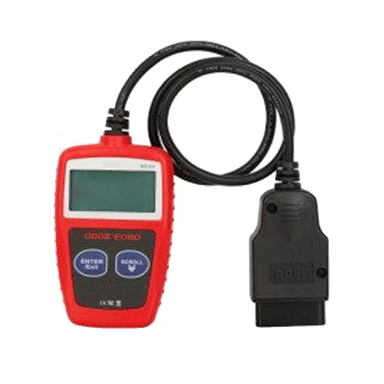
- Scan tool capable of reading powertrain codes
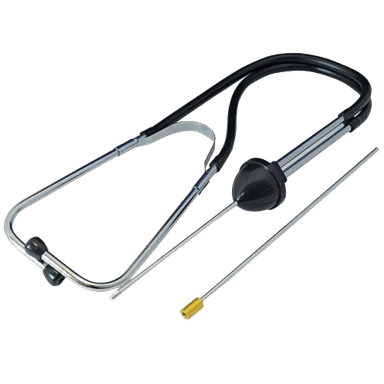
- Mechanic’s stethoscope
- Bright flashlight
- Nitrile gloves
- Safety glasses
🔩 Required Parts
HowToo sells all the parts you need for this repair:
- Timing chain kit - Qty: 1
- Timing cover sealant - Qty: 1
- Engine oil (diesel-rated, spec-correct) - Qty: 10 quarts
- Oil filter - Qty: 1
- Coolant (HOAT, spec-correct) - Qty: 2 gallons
📋 Before You Begin
- Park on level ground and set the parking brake.
- Quick question (pick one): Did you mean the timing chain, or the serpentine/accessory drive belt (the belt you can see at the front of the engine)?
- If you meant the timing chain: plan for advanced work, long downtime, and special tools; this is typically not first-time DIY-friendly.
🔨 Step-by-Step Instructions
Follow these steps in order:
Step 1: Confirm what you’re trying to replace
- Use a flashlight to look at the very front of the engine.
- If you see a rubber belt running around multiple pulleys, that’s the serpentine/accessory belt (common DIY job).
- You will not see the timing chain without major disassembly because it sits behind the front cover.
Step 2: Check for timing-chain-related symptoms (to justify the job)
- Use a scan tool to check for cam/crank correlation codes (often shows as “timing over-advanced/retarded” type faults).
- Use a mechanic’s stethoscope to listen at the front of the engine for abnormal rattling, especially on cold start.
- Low oil or wrong oil can worsen chain wear.
Step 3: Decide the correct repair path
- If you meant the serpentine/accessory belt, reply “accessory belt” and I’ll send the full DIY procedure with the correct tool sizes and torque specs.
- If you meant the timing chain, tell me what symptom you have (rattle, check-engine light codes, no-start, etc.) and I’ll outline the factory-accurate service plan, what special tools are required, and what parts typically get replaced together.
✅ After Repair
- Clear any stored codes using a scan tool and road-test.
- Recheck for leaks (oil/coolant) after the first full heat cycle.
💰 DIY vs Shop Cost
Shop Cost: $2,500-$6,000+ (parts + labor)
DIY Cost: $600-$1,800 (parts only)
You Save: $1,900-$4,200+ by doing it yourself!
Shop labor rates vary but typically run $100-$150/hour. This repair takes a shop approximately 10-20+ hours.
🎯 Ready to get started?
HowToo makes it easy: same-day/2-day shipping on every part, plus all the tools and specialty tools you need! Check out the parts and tools sections below to add everything to your cart.