






How to Bed Brakes on a 2021 Chevrolet Camaro 1LE Brembo Package
Step-by-step pad and rotor break-in procedure with safety tips and lug torque specs
How to Bed Brakes on a 2021 Chevrolet Camaro 1LE Brembo Package
Step-by-step pad and rotor break-in procedure with safety tips and lug torque specs


🔧 Camaro - Brake Pad & Rotor Bedding Procedure
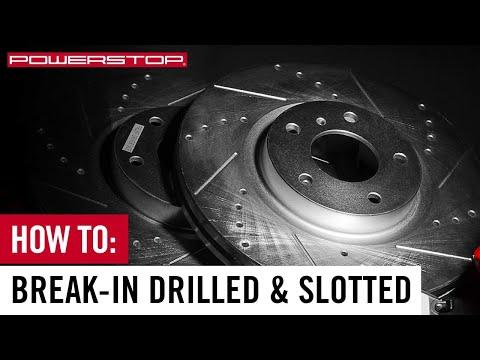
This guide covers how to properly bed-in your new SP Performance double cross-drilled rotors and Brembo brake pads on your Camaro with the 1LE brake package. Bedding-in, also called burnishing, gradually transfers a thin, even layer of pad material onto the rotor surface so the brakes stop smoothly, resist vibration, and perform consistently.
Difficulty Level: Beginner | Estimated Time: 45-60 minutes
⚠️ Safety & Precautions
- ⚠️ Use a long, open, low-traffic road where you can safely accelerate and slow down repeatedly without stopping in traffic.
- ⚠️ Do not perform this procedure in neighborhoods, parking lots, or on wet, icy, sandy, or gravel roads.
- ⚠️ Your brakes will get very hot. Do not touch the rotors, calipers, wheels, or pads after bedding.
- ⚠️ Do not come to a complete stop with the brake pedal held down during the hot bedding phase. This can imprint pad material unevenly onto the rotors.
- ⚠️ Expect some smell, light smoke, and increased brake dust during the procedure. This is normal if braking remains smooth.
- ⚠️ If the pedal becomes soft, braking feels unsafe, or the car pulls hard to one side, stop the procedure and let the brakes cool while driving gently.
- ⚠️ Cross-drilled rotors should be heat-cycled progressively. Avoid panic stops or track-style braking until the rotors and pads are fully bedded.
🔧 Required Tools
You'll need the following tools for this repair:
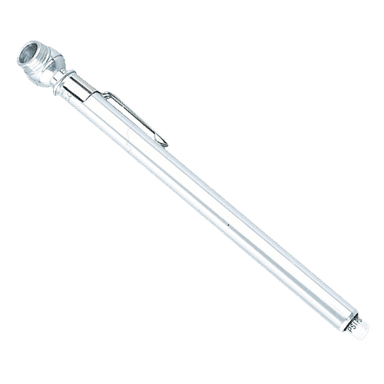
- Tire pressure gauge
- Wheel chocks
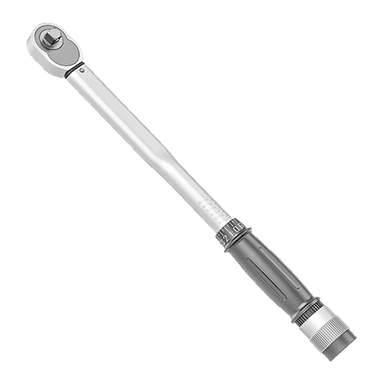
- Torque wrench rated to 150 ft-lbs
- 22mm socket
- Safety glasses
- Nitrile gloves
🔩 Required Parts
HowToo sells all the parts you need for this repair:
- SP Performance front double cross-drilled rotors - Qty: 2
- SP Performance rear double cross-drilled rotors - Qty: 2
- Brembo P37018N front brake pad set - Qty: 1
- Brembo P11024N rear brake pad set - Qty: 1
- Brake cleaner - Qty: 1-2 cans
📋 Before You Begin
- ✅ Confirm the pad and rotor installation is complete before bedding. All caliper hardware must be tight, pads seated, and brake pedal firm.
- ✅ Use the torque wrench rated to 150 ft-lbs with the 22mm socket to verify each wheel lug nut is tightened to Torque to 190 Nm (140 ft-lbs).
- ✅ Use the tire pressure gauge to set tire pressures before driving. Uneven tire pressure can make braking feel uneven.
- ✅ Use the wheel chocks only while parked during your pre-check. Remove them before driving.
- ✅ Avoid using the parking brake immediately after the bedding drive while the rear rotors are hot.
- ✅ Bedding works best when rotors are clean. If needed, use brake cleaner with nitrile gloves and safety glasses to remove oily residue before the first drive.
- ✅ A torque wrench is a tool that tightens bolts to an exact force so they are not too loose or too tight.
- ✅ Assumption: this procedure is for street bedding after correct installation of the 1LE Brembo brake system parts.
🔨 Step-by-Step Instructions
Follow these steps in order:
Step 1: Do a Brake Pedal Check Before Moving
- With the engine off, press the brake pedal several times using your foot until it feels firm.
- Start the engine and press the brake pedal again. It should drop slightly, then feel firm and controlled.
- If the pedal sinks to the floor or feels spongy, do not drive. The brake system needs inspection before bedding.
- Firm pedal first, bedding second.
Step 2: Verify Wheel Lug Nut Torque
- Park on level ground and place the transmission in Park.
- Use the torque wrench rated to 150 ft-lbs and 22mm socket to check every lug nut.
- Tighten in a star pattern so the wheel seats evenly.
- Torque to 190 Nm (140 ft-lbs).
- Do this before the brakes get hot, not after the bedding drive.
Step 3: Pick the Right Road
- Drive to a straight, open road where you can safely slow from highway speed several times.
- Keep plenty of space behind and ahead of your Camaro.
- Do not start bedding in stop-and-go traffic.
- Leave the traction and stability systems on for street bedding.
Step 4: Warm the Brakes Gently
- Make 5 gentle stops from about 40 mph down to 20 mph.
- Use light-to-moderate pedal pressure. Do not activate ABS.
- Drive for 30-60 seconds between each stop to allow some airflow over the rotors.
- This gradually warms the pads, rotors, calipers, and brake fluid.
Step 5: Begin the Main Bedding Stops
- Accelerate to about 60 mph.
- Brake firmly down to about 15 mph.
- Do not come to a complete stop.
- Repeat this 6-8 times.
- Use firm pressure, but stay just below ABS activation.
- If ABS pulses through the pedal, reduce pressure slightly on the next stop.
- ABS is the anti-lock brake system; it rapidly pulses the brakes to prevent wheel lockup.
Step 6: Add Heat Gradually for the 1LE Brembo Package
- After the first 6-8 stops, drive for 2-3 minutes at 40-50 mph without using the brakes much.
- Then make 3-4 harder stops from about 70 mph down to 20 mph.
- Again, do not stop completely.
- This helps the larger 1LE Brembo brake package build an even transfer layer across the rotor faces.
- A transfer layer is a very thin film of brake pad material on the rotor surface.
- Smooth pressure beats sudden stabbing.
Step 7: Avoid Holding the Brake Pedal While Hot
- During bedding, never sit still with your foot pressing the brake pedal after a hard stop.
- If you must stop, leave extra room and creep forward slightly when safe.
- If stopped on a flat area, use light pedal pressure only as needed.
- Do not set the parking brake while the rear rotors are hot.
Step 8: Cool the Brakes Without Stopping
- Drive for 10-15 minutes at 45-60 mph with little or no braking.
- This cool-down is critical for cross-drilled rotors because it reduces thermal shock.
- Thermal shock means a part heats or cools too quickly, which can stress the metal.
- If you smell brakes or see light smoke, keep driving gently to move air through the brakes.
Step 9: Park Carefully After the Cool-Down
- Park on a level surface after the brakes have cooled from airflow driving.
- Place the transmission in Park.
- Avoid using the parking brake if the rotors still smell hot.
- Do not spray water on the brakes. Let them cool naturally.
Step 10: Inspect After the Brakes Are Cool
- After at least 30-60 minutes of cooling, look through the wheels with safety glasses on.
- The rotor faces should look evenly swept where the pads contact them.
- A light gray or blue-gray tint can be normal after bedding.
- Heavy streaks, deep grooves, vibration, or loud grinding means the brakes need inspection before aggressive driving.
Step 11: Drive Normally for the Next 100-200 Miles
- For the next 100-200 miles, avoid panic stops unless needed for safety.
- Avoid holding the brake pedal after hard stops.
- Do not do track sessions until the brakes feel consistent and the rotors show an even contact pattern.
- Normal street braking will continue to finish the bedding process.
Step 12: Recheck Lug Nut Torque Cold
- After the car sits and the wheels are fully cool, use the torque wrench rated to 150 ft-lbs and 22mm socket again.
- Recheck each lug nut in a star pattern.
- Torque to 190 Nm (140 ft-lbs).
- Only check torque when the wheels are cool.
✅ After Repair
- ✅ The brake pedal should feel firm and consistent after bedding.
- ✅ Some brake smell and dust are normal during the first bedding cycle.
- ✅ A smooth, even rotor contact surface is the goal.
- ✅ If you feel steering wheel shake during braking, brake shudder, grinding, or a pull to one side, stop aggressive use and inspect the installation.
- ✅ For track use, complete a separate track heat cycle before pushing hard. Start with moderate laps, cool the brakes, then increase pace.
- ✅ Avoid washing the car or spraying cold water on hot rotors right after bedding.
💰 DIY vs Shop Cost
Shop Cost: $100-$225 for brake bedding/road test after installation
DIY Cost: $0-$20 if you already have the parts installed
You Save: $100-$205 by doing it yourself!
Shop labor rates in the Reno area commonly run about $130-$180/hour. This procedure takes a shop approximately 0.5-1.0 hour.
🎯 Ready to get started?
HowToo makes it easy: same-day/2-day shipping on every part, plus all the tools and specialty tools you need! Check out the parts and tools sections below to add everything to your cart.