













Troubleshoot No-Start on a 2001-2019 Toyota Highlander Hybrid: No Starter Motor (Engine: V6 3.5L)
Step-by-step hybrid READY mode diagnosis with 12V battery tests, tools, and safety tips for 2001, 2002, 2003, 2004, 2005, 2006, 2007
Troubleshoot No-Start on a 2001-2019 Toyota Highlander Hybrid: No Starter Motor (Engine: V6 3.5L)
Step-by-step hybrid READY mode diagnosis with 12V battery tests, tools, and safety tips for 2001, 2002, 2003, 2004, 2005, 2006, 2007


🔧 Highlander - Starter Motor Replacement
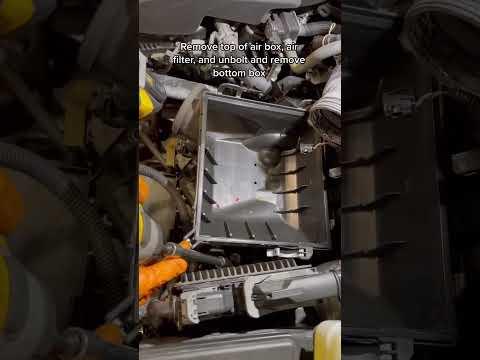
Your Highlander Hybrid does not use a conventional starter motor like a non-hybrid Highlander. The gasoline engine is started by the hybrid system through the transaxle motor-generator, so there is no separate bolt-on starter motor to replace.
If your Highlander will not “READY,” cranks abnormally, or will not start the engine, the repair is usually related to the 12-volt battery, hybrid control system, relays, inverter system, wiring, or transaxle motor-generator, not a starter motor.
Difficulty Level: Advanced | Estimated Time: Diagnosis: 0.5-2 hours
⚠️ Safety & Precautions
- ⚠️ Your Highlander has a high-voltage hybrid system. Orange cables and hybrid components can be dangerous.
- ⚠️ Do not disconnect, probe, or remove orange high-voltage cables unless you are hybrid-certified and using insulated high-voltage safety equipment.
- ⚠️ Always turn the vehicle OFF and keep the key fob at least 15 feet away before working under the hood.
- ⚠️ Disconnecting the 12-volt battery may erase learned settings and can trigger system resets.
- ⚠️ A weak 12-volt battery can make a hybrid Toyota act like it has a bad starter, even though it has no starter motor.
🔧 Required Tools
You'll need the following tools for this repair:
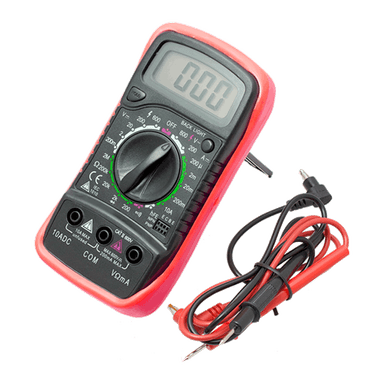
- Digital multimeter
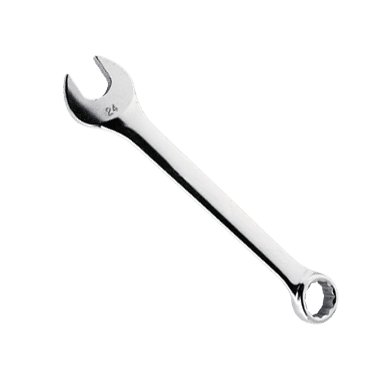
- 10mm wrench
- 10mm socket
- 3/8-inch ratchet
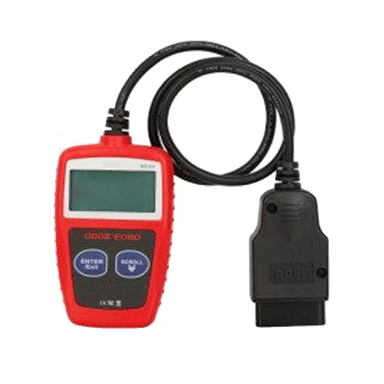
- OBD-II scan tool with Toyota hybrid data capability
- Battery charger rated for AGM 12-volt batteries
- Battery terminal cleaning brush
- Nitrile gloves
- Safety glasses
🔩 Required Parts
HowToo sells all the parts you need for this repair:
- 12-volt AGM battery - Qty: 1, if testing fails
- Battery terminal protectant - Qty: 1
- Battery terminal cleaning pads - Qty: 1 pack
📋 Before You Begin
- Park your Highlander on level ground.
- Shift to Park and set the parking brake.
- Turn the vehicle OFF completely.
- Keep the key fob away from the vehicle so the hybrid system does not wake up while you work.
- Open the hood and wait at least 5 minutes before touching battery terminals.
- A multimeter is a small electrical tester used to measure battery voltage.
- An OBD-II scan tool plugs into the diagnostic port and reads trouble codes from the vehicle computers.
🔨 Step-by-Step Instructions
Follow these steps in order:
Step 1: Confirm There Is No Starter Motor
- Do not search for or remove a starter from your Highlander Hybrid. This model does not have a conventional starter motor.
- The engine is spun by the hybrid transaxle motor-generator when the system enters READY mode.
- If a parts listing shows a starter for a 2017 Highlander, it is for a non-hybrid model and does not apply to your Highlander.
Step 2: Check the 12-Volt Battery Voltage
- Use a digital multimeter set to DC volts.
- Place the red meter lead on the positive battery terminal and the black meter lead on the negative battery terminal.
- A healthy fully charged 12-volt battery should read about 12.6 volts with the vehicle OFF.
- If the reading is below 12.2 volts, charge the battery before continuing.
- If the reading is below 12.0 volts, the battery may be too weak to boot the hybrid system.
- Weak 12-volt batteries cause many no-starts.
Step 3: Inspect the Battery Terminals
- Use safety glasses and nitrile gloves.
- Use a 10mm wrench to check that the battery terminal clamps are snug.
- If corrosion is present, disconnect the negative terminal first using a 10mm wrench.
- Disconnect the positive terminal second using a 10mm wrench.
- Use a battery terminal cleaning brush to clean the battery posts and cable clamps.
- Reconnect the positive terminal first using a 10mm wrench.
- Reconnect the negative terminal second using a 10mm wrench.
- Tighten the terminal clamps securely, but do not over-tighten them.
Step 4: Charge or Replace the 12-Volt Battery if Needed
- Use a battery charger rated for AGM 12-volt batteries.
- Connect the charger positive clamp to the battery positive terminal.
- Connect the charger negative clamp to a clean chassis ground or the battery negative terminal.
- Charge the battery fully, then retest it with the digital multimeter.
- If the battery will not hold at least 12.4-12.6 volts after charging, replace the 12-volt AGM battery.
Step 5: Scan the Hybrid System for Codes
- Use an OBD-II scan tool with Toyota hybrid data capability.
- Plug the scan tool into the OBD-II port under the driver side dashboard.
- Turn the vehicle ON without pressing the brake pedal if possible, or attempt READY mode if instructed by the scan tool.
- Read codes from the hybrid control, engine control, ABS/VSC, and body control modules.
- Record all codes before clearing anything.
- If codes related to the inverter, hybrid battery, motor-generator, or immobilizer are present, diagnose those systems before replacing any parts.
Step 6: Check READY Mode Operation
- Press the brake pedal firmly.
- Press the POWER button once.
- Look for the green READY indicator on the instrument cluster.
- If READY appears, the hybrid system is active and the engine may start only when needed.
- If READY does not appear, continue diagnosis with the scan tool instead of looking for a starter motor.
Step 7: Know When to Stop
- If the 12-volt battery tests good and your Highlander still will not enter READY mode, do not attempt high-voltage repairs at home.
- Hybrid transaxle, inverter, and high-voltage battery diagnosis requires Toyota hybrid procedures and insulated safety equipment.
- At that point, the safest next step is professional hybrid diagnosis.
✅ After Repair
- Confirm the vehicle enters READY mode normally.
- Check that the dashboard warning lights turn off after startup.
- Use the OBD-II scan tool to clear low-voltage-related codes only after recording them.
- Test drive your Highlander at low speed first and confirm normal hybrid operation.
- Reset clock, radio presets, and window auto-up functions if they were lost after battery disconnection.
💰 DIY vs Shop Cost
Shop Cost: $150-$450 for no-start diagnosis, more if hybrid component repair is needed
DIY Cost: $0-$280 for basic battery testing, charging, terminal service, or 12-volt battery replacement
You Save: $100-$250 by checking the 12-volt system yourself first!
Shop labor rates vary but typically run $100-$150/hour. This diagnosis takes a shop approximately 0.5-2 hours.
🎯 Ready to get started?
HowToo makes it easy: same-day/2-day shipping on every part, plus all the tools and specialty tools you need! Check out the parts and tools sections below to add everything to your cart.