









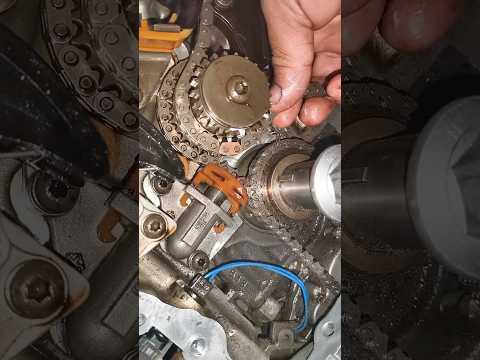



Timing Chain Replacement Guide for 2022 Jeep Grand Cherokee WK 3.6L
Step-by-step professional-level instructions, tools, parts list, and safety tips for diagnosing and replacing the 3.6L Pentastar timing chain
Timing Chain Replacement Guide for 2022 Jeep Grand Cherokee WK 3.6L
Step-by-step professional-level instructions, tools, parts list, and safety tips for diagnosing and replacing the 3.6L Pentastar timing chain


🔧 Grand Cherokee WK - Timing Belt Replacement
Your Grand Cherokee WK with the 3.6L V6 does not have a timing belt. It uses a timing chain, which is designed to last the life of the engine and is not a regular maintenance item like a belt.
Instead of a DIY timing belt change, you should understand when a timing chain might need work and why this job is usually left to a professional shop.
Difficulty Level: Advanced (professional-level) | Estimated Time: 8–12 hours (shop)
⚠️ Safety & Precautions
- ⚠️ A timing chain job on this engine requires major disassembly: front engine cover removal, crankshaft pulley removal, and sometimes engine support from below.
- ⚠️ If the timing is set incorrectly, the engine can be severely damaged when started (bent valves, internal damage).
- ⚠️ This job usually requires a lift, an engine support bar, and several special alignment tools to lock camshafts and the crankshaft in position.
- ⚠️ Battery negative cable should be disconnected before any major engine work to avoid accidental cranking.
- ⚠️ Coolant and engine oil must be drained and correctly refilled afterward; spills can cause slips, and incorrect refill can cause overheating or engine failure.
🔧 Required Tools
You'll need the following tools for this repair (this list shows why it’s considered a professional job):
- 🛠️ Metric socket set (8mm–21mm)
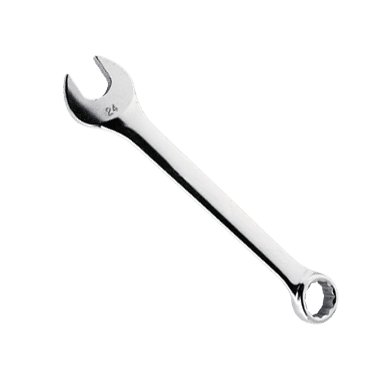
- 🛠️ Metric wrench set (8mm–21mm)
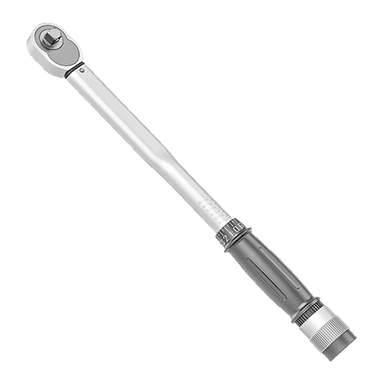
- 🛠️ Torque wrench (10–200 Nm range)
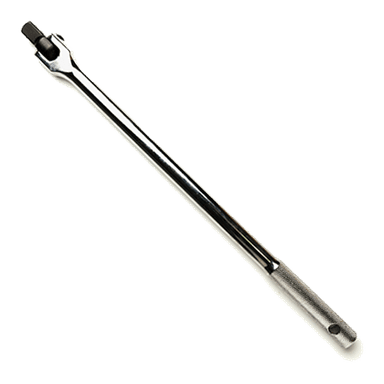
- 🛠️ Breaker bar 1/2"
- 🛠️ Crankshaft pulley holding tool (specialty)
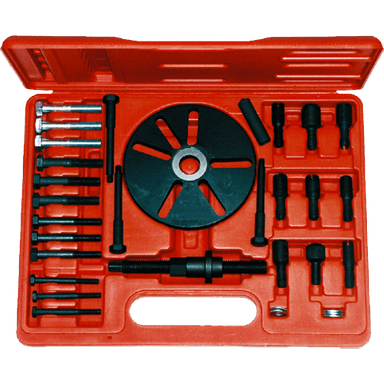
- 🛠️ Crankshaft pulley puller (3-jaw or Chrysler-specific) (specialty)
- 🛠️ 3.6L Pentastar timing alignment tool kit (cam and crank locks) (specialty)
- 🛠️ Engine support bar or engine support brace (specialty)
- 🛠️ Floor jack (rated 3-ton minimum)
- 🛠️ Jack stands (rated 3-ton minimum)
- 🛠️ Plastic trim tool set
- 🛠️ Flathead screwdriver (medium)
- 🛠️ Phillips screwdriver (medium)
- 🛠️ Pry bar (small and medium)
- 🛠️ Rubber mallet
- 🛠️ Drain pan (10+ liters)
- 🛠️ Funnel (medium)
- 🛠️ Razor scraper or gasket scraper
- 🛠️ Shop light or work lamp
- 🛠️ Shop rags
- 🛠️ Safety glasses
- 🛠️ Nitrile gloves
- 🛠️ OBD2 scan tool
🔩 Required Parts
HowToo sells all the parts you need for this repair:
- 🔩 Timing chain kit (primary and secondary chains) - Qty: 1
- 🔩 Timing chain guide set - Qty: 1
- 🔩 Timing chain tensioners (primary and secondary) - Qty: 1 set
- 🔩 Camshaft phaser bolts - Qty: 4
- 🔩 Front timing cover gasket set - Qty: 1
- 🔩 Crankshaft front seal - Qty: 1
- 🔩 Valve cover gaskets (left and right) - Qty: 1 set
- 🔩 Water pump (optional but recommended while open) - Qty: 1
- 🔩 Water pump gasket/O-ring - Qty: 1
- 🔩 Engine coolant (OAT/HOAT per spec, premixed) - Qty: 2–3 gallons
- 🔩 Engine oil (0W-20 synthetic) - Qty: 6 quarts
- 🔩 Engine oil filter - Qty: 1
- 🔩 RTV sealant (timing cover safe, high-temp) - Qty: 1 tube
- 🔩 Accessory drive belt (serpentine) - Qty: 1
- 🔩 New coolant reservoir cap (optional) - Qty: 1
- 🔩 Various replacement bolts and clips (as needed) - Qty: 1 set
📋 Before You Begin
- 🧾 Park the Grand Cherokee on level ground, set the parking brake, and place wheel chocks behind the rear wheels.
- 🧾 Let the engine cool fully; the cooling system can be under pressure when hot.
- 🧾 Disconnect the battery negative terminal using a 10mm wrench and move the cable aside so it cannot spring back.
- 🧾 Raise the front of the vehicle with a floor jack and support it with jack stands under the factory jacking points.
- 🧾 Have plenty of good lighting; you will be working deep in the engine bay.
- 🧾 An OBD2 scan tool is useful to clear any codes after the repair and to verify no new codes appear.
🔨 Step-by-Step Instructions
Follow these steps in order:
Because you are a beginner, treat this as an explanation of what a shop does, not a recommended first DIY job.
Step 1: Confirm You Really Need a Timing Chain Job
- Listen for symptoms: rattling noise from the front/top of the engine on cold start, cam/crank correlation codes (like P0008, P0016–P0019), or severe misfires. A timing chain is not routinely replaced by mileage like a belt.
- Use an OBD2 scan tool to check for stored codes. If no timing-related codes and no noise, the timing chain likely does not need service.
- If unsure, have a trusted shop diagnose first.
Step 2: Prepare the Engine Bay
- Remove the plastic engine cover by pulling it straight up by hand; it is held by rubber grommets.
- Use a 10mm socket to remove any upper engine bay braces or covers that block access to the front of the engine.
- Disconnect intake tubing using a flathead screwdriver on the hose clamps, then move the air intake assembly aside.
- Label connectors and hoses you disconnect.
Step 3: Drain Coolant and Engine Oil
- Place a drain pan under the radiator drain or lower radiator hose.
- Use pliers or a flathead screwdriver to loosen the clamp on the lower radiator hose and carefully pull the hose off to drain coolant.
- Use a 13mm socket to remove the engine oil drain plug and drain the oil into a drain pan.
- Reinstall the oil drain plug and snug it using a 13mm socket to Torque to 34 Nm (25 ft-lbs).
Step 4: Remove Serpentine Belt and Front Accessories
- Use a serpentine belt tool or 15mm wrench on the belt tensioner, rotate to relieve tension, and slide the belt off the pulleys. Note the routing or take a photo.
- Use a 13mm and 15mm socket to remove bolts holding accessories such as the alternator and idler pulleys as required for timing cover access.
- Keep bolts grouped by component to avoid mixing.
Step 5: Support the Engine and Remove Engine Mount (If Required)
- Place an engine support bar across the top of the engine bay, and attach support hooks to provided lift points on the engine, following tool instructions.
- Use a floor jack with a wood block under the oil pan as a gentle backup support.
- Use a 18mm socket to remove the right-side engine mount bolts if they obstruct the timing cover. Support engine weight fully before removing mount bolts.
- Never support engine directly with bare jack pad on oil pan.
Step 6: Remove Crankshaft Pulley
- Install the crankshaft pulley holding tool to prevent the pulley from turning.
- Use a 21mm socket and breaker bar to loosen the crankshaft bolt. It is very tight. Remove the bolt.
- Use the crankshaft pulley puller to pull the pulley off the crankshaft snout.
- When reinstalling later, the crank bolt is torqued to Torque to 165 Nm (122 ft-lbs) + 90°.
Step 7: Remove Valve Covers and Timing Cover
- Disconnect ignition coil connectors and remove coils using an 8mm socket.
- Use an 8mm or 10mm socket to remove valve cover bolts on both banks and gently pry the covers loose with a plastic trim tool.
- Use a 10mm socket to remove all timing cover bolts around the perimeter and any hidden bolts accessed from the oil pan or lower area.
- Tap the cover carefully with a rubber mallet to break the RTV seal, then pry gently with a plastic trim tool until the cover comes free.
- When reinstalling, timing cover bolts are typically torqued to Torque to 25 Nm (18 ft-lbs).
Step 8: Lock the Engine in Timing Position
- Rotate the engine by hand using a 21mm socket on the crankshaft until factory timing marks on the cam phasers and chains align per the service manual.
- Install the crankshaft locking tool from the timing tool kit to hold the crankshaft.
- Install the camshaft locking tools on both cylinder heads to prevent the cams from moving.
- Never rely only on paint marks without proper tools.
Step 9: Remove Chains, Guides, and Tensioners
- Use a 10mm socket to remove timing chain guide and tensioner bolts and carefully take them out.
- Use a Torx T30 bit if required on some guide bolts.
- Remove the timing chains from the cam phasers and crank sprocket, noting their routing.
- If removing cam phasers, use a Torx or E-Torx socket as specified and note orientation. Reinstall cam phaser bolts later to Torque to 28 Nm (21 ft-lbs).
Step 10: Install New Chains, Guides, and Tensioners
- Install new timing chain guides and tensioners using a 10mm socket, leaving the tensioner pins installed until final alignment. Torque guide bolts to Torque to 12 Nm (9 ft-lbs).
- Route the new chains over the crankshaft sprocket and cam phasers, aligning colored chain links with timing marks per the kit instructions and service manual.
- Once marks are perfectly aligned, pull out the tensioner locking pins to apply chain tension.
- Double-check that all timing marks remain aligned and that cam/crank locks are still properly seated.
Step 11: Reassemble Timing Cover and Valve Covers
- Clean old RTV and gasket material from the engine block and covers using a razor scraper. Do not gouge the metal.
- Apply a continuous bead of RTV sealant to the timing cover as specified and install a new crankshaft seal into the cover.
- Install the timing cover onto the engine and start all bolts by hand, then tighten with a 10mm socket in a crisscross pattern to Torque to 25 Nm (18 ft-lbs).
- Install new valve cover gaskets and reinstall valve covers using an 8mm or 10mm socket, torquing to Torque to 10 Nm (7 ft-lbs).
Step 12: Reinstall Crank Pulley, Mount, Accessories, and Belt
- Install the crank pulley onto the crankshaft and use the crankshaft pulley holding tool plus a 21mm socket and torque wrench to tighten the bolt to Torque to 165 Nm (122 ft-lbs) + 90°.
- Reinstall the engine mount with an 18mm socket, tightening to manufacturer torque (typically around Torque to 95 Nm (70 ft-lbs)—confirm in service data).
- Reinstall all accessories, brackets, and the serpentine belt using the 15mm wrench to move the tensioner.
Step 13: Refill Fluids and Final Checks
- Install a new oil filter using an oil filter wrench, then fill with the correct amount of 0W-20 oil using a funnel.
- Close the radiator drain or reinstall the lower hose with a flathead screwdriver or pliers on the clamp, then refill the cooling system with the correct coolant mix using a funnel.
- Reconnect the negative battery terminal with a 10mm wrench and tighten snugly.
Step 14: First Start and Inspection
- Turn the key to ON without starting and check for fuel leaks or warning lights.
- Start the engine. It may crank slightly longer at first while oil pressure builds. Listen carefully for unusual noises.
- Use an OBD2 scan tool to check for any new fault codes.
- Let the engine reach operating temperature while watching for coolant leaks and checking the coolant level. Top off as needed once cool.
✅ After Repair
- ✅ Road-test the Grand Cherokee gently, listening for any rattles, ticking, or misfires. Keep speeds and RPMs moderate at first.
- ✅ Recheck for leaks (oil and coolant) after the test drive and again the next day.
- ✅ Use your OBD2 scan tool to clear any old codes and confirm no new timing-related codes return.
- ✅ Recheck coolant level after the engine cools fully and top off if needed.
- ✅ Because this is a major engine job, consider having a professional shop re-check your work if you attempted this yourself.
💰 DIY vs Shop Cost
Shop Cost: $1,800–$3,000 (parts + labor)
DIY Cost: $450–$900 (parts, not including special tools)
You Save: $1,350–$2,100 by doing it yourself!
Shop labor rates vary but typically run $100–$150/hour. This repair takes a shop approximately 8–12 hours.
🎯 Ready to get started?
For a first-time DIYer, a timing chain job on your Grand Cherokee is very advanced. Often, it’s safer and cheaper in the long run to let a good shop handle it unless you have tools, space, and help. HowToo makes it easy if you or your shop go ahead with the repair: same-day/2-day shipping on every part, plus all the tools and specialty tools you need! Check out the parts and tools sections above to add everything to your cart.