













How to Troubleshoot Power Steering Pump Issues on a 2017 Hyundai Tucson
MDPS diagnosis guide with scan tool steps, fuse checks, wiring inspection, and safety tips
How to Troubleshoot Power Steering Pump Issues on a 2017 Hyundai Tucson
MDPS diagnosis guide with scan tool steps, fuse checks, wiring inspection, and safety tips


🔧 Tucson - Power Steering Pump Replacement
Your Tucson does not use a belt-driven hydraulic power steering pump. It uses Motor Driven Power Steering (MDPS), which is an electric assist system mounted at the steering column/gear area instead of a fluid pump.
This means there is no power steering pump, pulley, belt, or power steering fluid to replace. If the steering is heavy, noisy, or warning lights are on, the repair is usually diagnosis of the MDPS motor, steering column assembly, steering angle sensor, wiring, fuses, or control module.
Difficulty Level: Advanced | Estimated Time: 1-3 hours for diagnosis, more if parts are replaced
⚠️ Safety & Precautions
- ⚠️ The MDPS system is tied into the steering column and safety systems, so do not remove steering column parts unless you are trained and have the correct scan tool.
- ⚠️ Disconnecting or removing steering components incorrectly can affect steering control and airbag-related components.
- ⚠️ Battery disconnect is recommended before unplugging MDPS connectors or steering column connectors.
- ⚠️ After MDPS or steering angle sensor work, calibration may be required with a Hyundai-capable scan tool.
- ⚠️ Do not drive your Tucson if steering assist is intermittent or suddenly becomes very heavy.
🔧 Required Tools
You'll need the following tools for this repair:
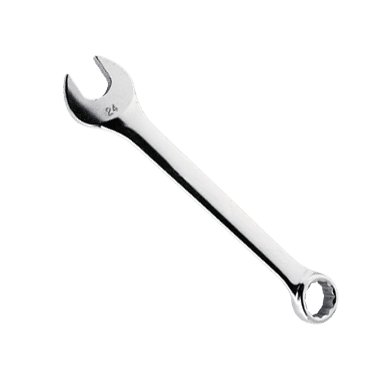
- 10mm wrench
- 10mm socket
- 3/8-inch ratchet
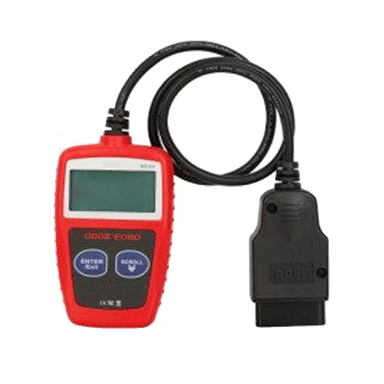
- OBD2 scan tool with Hyundai MDPS capability (specialty)
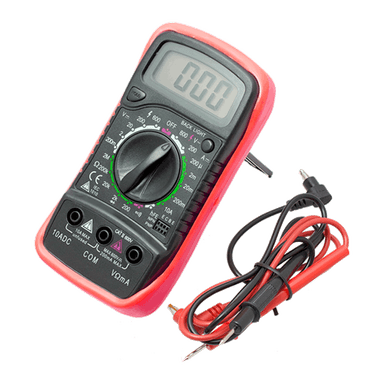
- Digital multimeter (specialty)
- Trim removal tool set
- Flashlight
- Safety glasses
- Mechanic gloves
🔩 Required Parts
HowToo sells all the parts you need for this repair:
- MDPS fuse - Qty: As needed
- Steering column/MDPS assembly - Qty: 1, if diagnosed faulty
- Steering angle sensor - Qty: 1, if diagnosed faulty
- MDPS wiring connector repair pigtail - Qty: As needed
📋 Before You Begin
- Park your Tucson on level ground with the front wheels pointed straight ahead.
- Set the parking brake and shift to Park.
- A scan tool means a diagnostic computer that plugs into the OBD2 port under the dash and reads steering system trouble codes.
- A multimeter is a handheld tester used to check battery voltage, power, ground, and wiring continuity.
- If unplugging MDPS connectors, use a 10mm wrench to disconnect the negative battery cable and wait at least 3 minutes before working near steering column wiring.
🔨 Step-by-Step Instructions
Follow these steps in order:
Step 1: Confirm There Is No Hydraulic Pump
- Open the hood and use a flashlight to inspect the accessory belt area.
- You will not find a hydraulic power steering pump or power steering fluid reservoir on your Tucson.
- The steering assist is electric, so pump replacement is not applicable.
- No fluid top-off is needed.
Step 2: Check Battery Voltage First
- Use a digital multimeter at the battery terminals.
- With the engine off, a healthy battery should usually read about 12.4-12.7 volts.
- With the engine running, charging voltage should usually be about 13.5-14.8 volts.
- Low voltage can cause MDPS warning lights or heavy steering.
Step 3: Scan the MDPS System
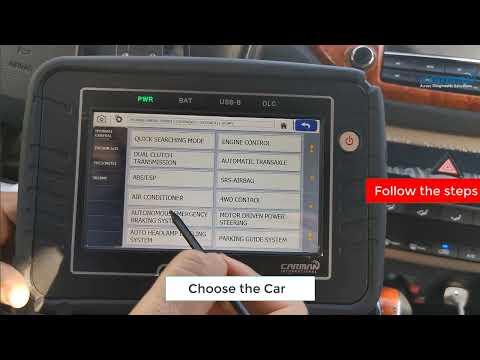
- Plug the OBD2 scan tool with Hyundai MDPS capability into the diagnostic port under the driver-side dash.
- Turn the ignition ON without starting the engine, or start the engine if the scan tool requests it.
- Select Hyundai > Tucson > MDPS/EPS on the scan tool menu.
- Read and save all diagnostic trouble codes before clearing anything.
- Common fault areas include MDPS motor faults, torque sensor faults, steering angle sensor faults, low voltage, or communication faults.
Step 4: Inspect MDPS Fuses
- Use the trim removal tool set if needed to open the interior fuse panel cover.
- Use a flashlight to inspect the fuse label and locate steering/MDPS-related fuses.
- Use a digital multimeter to test both sides of the fuse for power instead of judging by looks only.
- Replace any blown fuse with the same amperage rating only.
- Torque is not applicable for blade fuse replacement.
Step 5: Inspect Steering Column Connectors
- Use a 10mm wrench to disconnect the negative battery cable.
- Wait at least 3 minutes before touching steering column wiring.
- Use a trim removal tool set to gently remove lower dash trim if connector access is needed.
- Use a flashlight to check for loose plugs, corrosion, damaged wires, or signs of water intrusion near the steering column.
- Reconnect any loose connector by hand until it clicks fully into place.
- Torque to 5 Nm (44 in-lbs) if reinstalling small lower trim screws with a 10mm socket, where equipped.
Step 6: Reconnect Battery and Recheck
- Use a 10mm wrench to reconnect the negative battery cable.
- Tighten the terminal snugly; do not overtighten.
- Torque to 4-6 Nm (35-53 in-lbs) for the battery terminal clamp.
- Start your Tucson and slowly turn the steering wheel left and right while parked.
- Do not force the wheel against the steering stops.
Step 7: Calibrate If Repairs Were Made
- If an MDPS, steering angle sensor, or steering column component was replaced, use the OBD2 scan tool with Hyundai MDPS capability.
- Run the scan tool function labeled similar to MDPS Calibration, Steering Angle Sensor Calibration, or ASP Calibration.
- Keep the front wheels straight during calibration.
- Follow the scan tool prompts exactly.
- If calibration fails, do not drive until the cause is diagnosed.
Step 8: Know When Replacement Is Required
- If the scan tool shows an internal MDPS motor/module fault, the affected MDPS/steering column component may need replacement.
- This is not the same as replacing a hydraulic power steering pump.
- Use a 10mm socket, 3/8-inch ratchet, and Hyundai-capable scan tool only if you are proceeding with trim removal and module access.
- Because this involves steering control, replacement and calibration should be handled carefully.
✅ After Repair
- Clear MDPS codes only after recording them and completing the repair.
- Start your Tucson and confirm the EPS/steering warning light stays off.
- Turn the wheel lock-to-lock slowly while stationary to check for smooth assist.
- Road test at low speed first in a safe area.
- Confirm the steering wheel is centered and the vehicle tracks straight.
- If the warning light returns, rescan the MDPS system before replacing parts.
💰 DIY vs Shop Cost
Shop Cost: $150-$350 for diagnosis, $900-$2,000+ if MDPS/column replacement is required
DIY Cost: $0-$80 for basic fuse/connection checks, $500-$1,400+ if a diagnosed MDPS assembly is replaced
You Save: $150-$600+ by doing the basic diagnosis yourself!
Shop labor rates vary but typically run $100-$150/hour. This repair takes a shop approximately 1-3 hours for diagnosis, or longer for steering column/MDPS replacement and calibration.
🎯 Ready to get started?
HowToo makes it easy: same-day/2-day shipping on every part, plus all the tools and specialty tools you need! Check out the parts and tools sections below to add everything to your cart.
Guide for Fuse Kit replace for these Hyundai vehicles
| Year Make Model | Sub Model | Engine | Body Style |
|---|