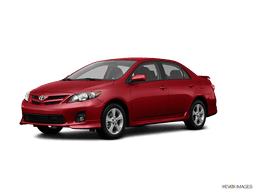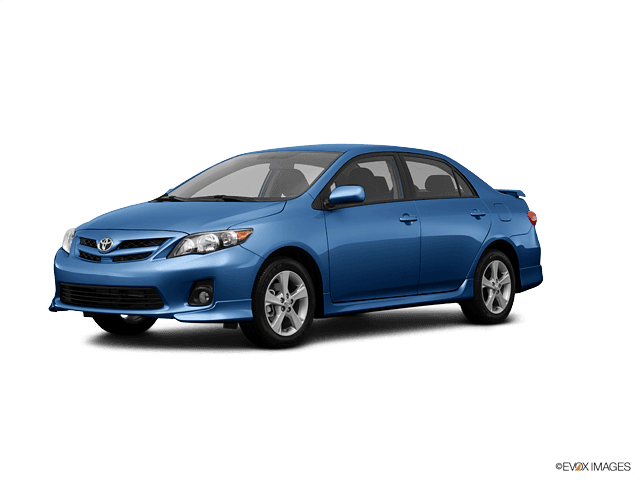
















How to Replace Upstream or Downstream Oxygen Sensor on a 2013 Toyota Corolla
Step-by-step O2 sensor replacement with tools, parts list, safety tips, and check-engine code help
How to Replace Upstream or Downstream Oxygen Sensor on a 2013 Toyota Corolla
Step-by-step O2 sensor replacement with tools, parts list, safety tips, and check-engine code help


🔧 Corolla - Oxygen Sensor Replacement
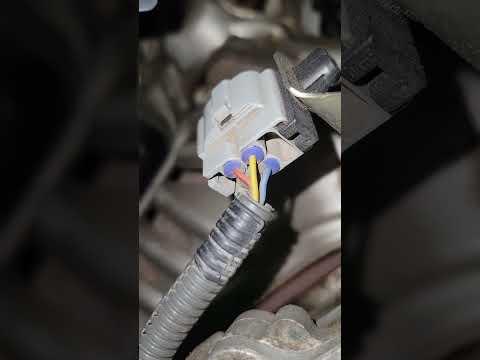
Your Corolla has two oxygen sensors: an upstream (Sensor 1) in the exhaust manifold (controls fuel mixture) and a downstream (Sensor 2) after the catalytic converter (monitors catalyst efficiency). The steps and access are different, so I need one quick detail to keep this accurate.
Difficulty Level: Intermediate | Estimated Time: 0.7-1.5 hours
⚠️ Safety & Precautions
- ⚠️ Exhaust parts get extremely hot—work only on a fully cool engine.
- ⚠️ Support the car with jack stands before going underneath—never rely on a jack.
- ⚠️ Disconnecting the battery is recommended to prevent accidental shorts and to reset learned fuel trims after repair.
🔧 Required Tools
You'll need the following tools for this repair:
- Floor jack (rated 2-ton minimum)
- Jack stands (rated 2-ton minimum)
- Wheel chocks
- Safety glasses
- Mechanic gloves
- 10mm socket
- 3/8" drive ratchet
- 3/8" drive extension set
- Oxygen sensor socket (22mm / 7/8") (specialty)
- Torque wrench (10–80 ft-lbs)
- Trim clip tool
- Penetrating oil
🔩 Required Parts
HowToo sells all the parts you need for this repair:
- Upstream oxygen sensor (Air/Fuel ratio sensor) - Qty: 1
- Downstream oxygen sensor - Qty: 1
- Anti-seize compound - Qty: 1
📋 Before You Begin
- Park on level ground, set the parking brake, and chock the rear wheels.
- Let the exhaust cool completely (at least 1 hour after driving).
- Use a 10mm socket to disconnect the negative battery terminal.
- Quick question #1: Are you replacing the upstream (Sensor 1) or downstream (Sensor 2) oxygen sensor?
- Quick question #2: Is this because of a check-engine light—if yes, what code(s) do you have (example: P0138, P0420)?
🔨 Step-by-Step Instructions
Follow these steps in order:
I’ll tailor the exact step-by-step (location, access, and torque) as soon as you confirm Sensor 1 vs Sensor 2 and any code(s). On your Corolla, the connector routing and access points are different between the two sensors, and I don’t want you fighting the wrong one.
✅ After Repair
- Reconnect the battery, then start the engine and confirm there are no exhaust leaks or warning lights.
- If you had a check-engine light, clear codes with a scan tool and test drive to confirm the fix.
💰 DIY vs Shop Cost
Shop Cost: $180-$450 (parts + labor)
DIY Cost: $60-$220 (parts only)
You Save: $120-$230 by doing it yourself!
Shop labor rates vary but typically run $100-$150/hour. This repair takes a shop approximately 0.7-1.5 hours.
🎯 Ready to get started?
HowToo makes it easy: same-day/2-day shipping on every part, plus all the tools and specialty tools you need! Check out the parts and tools sections below to add everything to your cart.