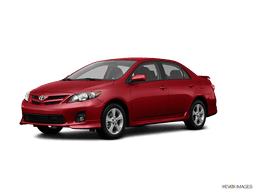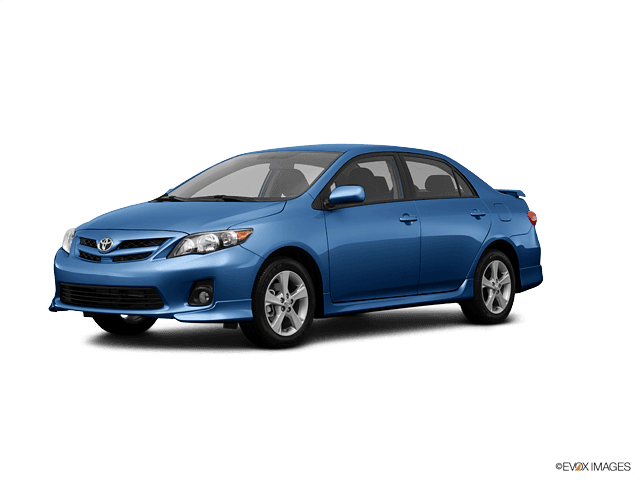









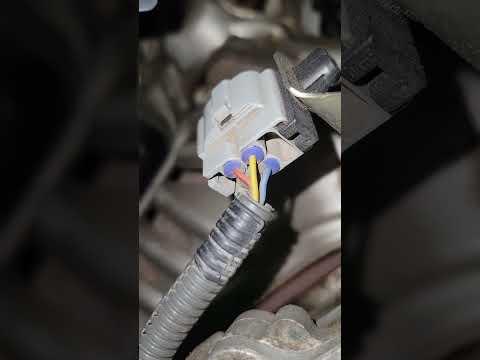







How to Replace Upstream or Downstream Oxygen Sensor on a 2011-2013 Toyota Corolla (Engine: Inline 4 1.8L)
Step-by-step O2 sensor replacement with tools, parts list, safety tips, and check-engine code help
How to Replace Upstream or Downstream Oxygen Sensor on a 2011-2013 Toyota Corolla (Engine: Inline 4 1.8L)
Step-by-step O2 sensor replacement with tools, parts list, safety tips, and check-engine code help for 2011, 2012, 2013


🔧 Corolla - Oxygen Sensor Replacement
Your Corolla has two oxygen sensors: an upstream (Sensor 1) in the exhaust manifold (controls fuel mixture) and a downstream (Sensor 2) after the catalytic converter (monitors catalyst efficiency). The steps and access are different, so I need one quick detail to keep this accurate.
Difficulty Level: Intermediate | Estimated Time: 0.7-1.5 hours
⚠️ Safety & Precautions
- ⚠️ Exhaust parts get extremely hot—work only on a fully cool engine.
- ⚠️ Support the car with jack stands before going underneath—never rely on a jack.
- ⚠️ Disconnecting the battery is recommended to prevent accidental shorts and to reset learned fuel trims after repair.
🔧 Required Tools
You'll need the following tools for this repair:
- Floor jack (rated 2-ton minimum)
- Jack stands (rated 2-ton minimum)
- Wheel chocks
- Safety glasses
- Mechanic gloves
- 10mm socket
- 3/8" drive ratchet
- 3/8" drive extension set
- Oxygen sensor socket (22mm / 7/8") (specialty)
- Torque wrench (10–80 ft-lbs)
- Trim clip tool
- Penetrating oil
🔩 Required Parts
HowToo sells all the parts you need for this repair:
- Upstream oxygen sensor (Air/Fuel ratio sensor) - Qty: 1
- Downstream oxygen sensor - Qty: 1
- Anti-seize compound - Qty: 1
📋 Before You Begin
- Park on level ground, set the parking brake, and chock the rear wheels.
- Let the exhaust cool completely (at least 1 hour after driving).
- Use a 10mm socket to disconnect the negative battery terminal.
- Quick question #1: Are you replacing the upstream (Sensor 1) or downstream (Sensor 2) oxygen sensor?
- Quick question #2: Is this because of a check-engine light—if yes, what code(s) do you have (example: P0138, P0420)?
🔨 Step-by-Step Instructions
Follow these steps in order:
I’ll tailor the exact step-by-step (location, access, and torque) as soon as you confirm Sensor 1 vs Sensor 2 and any code(s). On your Corolla, the connector routing and access points are different between the two sensors, and I don’t want you fighting the wrong one.
✅ After Repair
- Reconnect the battery, then start the engine and confirm there are no exhaust leaks or warning lights.
- If you had a check-engine light, clear codes with a scan tool and test drive to confirm the fix.
💰 DIY vs Shop Cost
Shop Cost: $180-$450 (parts + labor)
DIY Cost: $60-$220 (parts only)
You Save: $120-$230 by doing it yourself!
Shop labor rates vary but typically run $100-$150/hour. This repair takes a shop approximately 0.7-1.5 hours.
🎯 Ready to get started?
HowToo makes it easy: same-day/2-day shipping on every part, plus all the tools and specialty tools you need! Check out the parts and tools sections below to add everything to your cart.
Guide for Anti-Seize Compound replace for these Toyota vehicles
| Year Make Model | Sub Model | Engine | Body Style |
|---|---|---|---|
| 2013 Toyota Corolla | - | Inline 4 1.8L | - |
| 2012 Toyota Corolla | - | Inline 4 1.8L | - |
| 2011 Toyota Corolla | - | Inline 4 1.8L | - |