









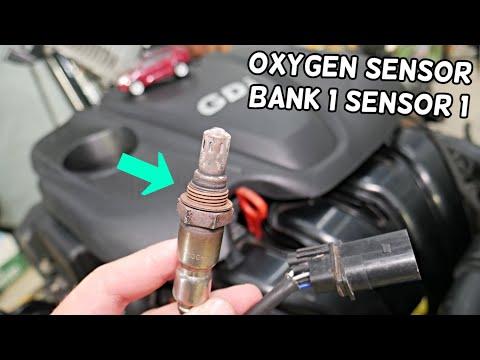







How to Replace Upstream or Downstream Oxygen (O2) Sensor on a 2016-2018 Hyundai Tucson (Engine: Inline 4 2.0L)
Step-by-step O2 sensor replacement with tools, parts list, OBD2 code tips, and torque specs (30–41 ft-lbs)
How to Replace Upstream or Downstream Oxygen (O2) Sensor on a 2016-2018 Hyundai Tucson (Engine: Inline 4 2.0L)
Step-by-step O2 sensor replacement with tools, parts list, OBD2 code tips, and torque specs (30–41 ft-lbs) for 2016, 2017, 2018


🔧 Tucson - Oxygen Sensor Replacement
Your Tucson has more than one oxygen (O2) sensor: an upstream (front) sensor before the catalytic converter and a downstream (rear) sensor after it. The replacement steps, access, and parts differ depending on which one you’re changing.
Difficulty Level: Intermediate | Estimated Time: 0.7-1.5 hours
⚠️ Safety & Precautions
- ⚠️ Exhaust parts get extremely hot—work on a fully cool engine.
- ⚠️ Support the vehicle on jack stands before going underneath.
- ⚠️ Don’t pull on the sensor wires; unplug by the connector only.
- ⚠️ If you disconnect the battery, you may lose radio presets.
🔧 Required Tools
You'll need the following tools for this repair:
- Floor jack (rated 2-ton minimum)
- Jack stands (rated 2-ton minimum)
- Wheel chocks
- Safety glasses
- Mechanic gloves
- 3/8" drive ratchet
- 3/8" drive extension set
- 22mm oxygen sensor socket (specialty)
- 22mm box-end wrench
- Torque wrench (10-80 ft-lbs)
- Trim clip removal tool
- 10mm socket
- Penetrating oil
- OBD2 scan tool
🔩 Required Parts
HowToo sells all the parts you need for this repair:
- Upstream (front) oxygen sensor - Qty: 1
- Downstream (rear) oxygen sensor - Qty: 1
- Anti-seize compound (sensor-safe) - Qty: 1
📋 Before You Begin
- Park on level ground, shift to Park, and set the parking brake.
- Let the engine and exhaust cool completely.
- If you’ll be working from underneath, place wheel chocks behind the rear tires, then raise the front with a floor jack and support with jack stands.
- Optional: Disconnect the negative battery cable using a 10mm socket (helps prevent accidental shorts).
🔨 Step-by-Step Instructions
Follow these steps in order:
Step 1: Confirm which O2 sensor you’re replacing
- Use an OBD2 scan tool to read codes.
- Typical labels you’ll see: Bank 1 Sensor 1 (upstream/front) or Bank 1 Sensor 2 (downstream/rear).
- “Upstream” is before the catalytic converter.
Step 2: Locate the sensor and its connector
- Upstream/front sensor is usually on the exhaust manifold area (top side) or at the front of the exhaust.
- Downstream/rear sensor is after the catalytic converter, typically accessed from underneath.
- If a splash shield blocks access, remove it using a trim clip removal tool and a 10mm socket.
Step 3: Unplug the sensor connector
- Release the connector lock by hand (or carefully with the trim clip removal tool).
- Separate the connector without twisting the wires.
Step 4: Loosen and remove the old O2 sensor
- Spray the sensor threads area with penetrating oil and wait 5–10 minutes.
- Use a 22mm oxygen sensor socket (specialty) with a 3/8" drive ratchet and extension to break it loose.
- If space is tight, use a 22mm box-end wrench instead.
- Unscrew the sensor by hand once loose and remove it.
- If it won’t budge, stop—forcing can damage threads.
Step 5: Install the new O2 sensor
- Compare the new sensor to the old one (connector and length should match).
- If the new sensor threads are not pre-coated, apply a small amount of anti-seize compound (sensor-safe) to the threads only.
- Thread the sensor in by hand first to avoid cross-threading.
- Tighten using the 22mm oxygen sensor socket (specialty) and a torque wrench.
- Torque to 40-55 Nm (30-41 ft-lbs)
Step 6: Route the harness and reconnect the connector
- Clip the wiring back into the original holders so it can’t touch the exhaust.
- Reconnect the electrical connector until it clicks.
Step 7: Reinstall shields and lower the vehicle
- Reinstall any splash shield using a 10mm socket and trim clip removal tool.
- Raise slightly with the floor jack, remove jack stands, then lower the vehicle.
Step 8: Clear codes and verify the fix
- Reconnect the battery (if disconnected) using a 10mm socket.
- Use an OBD2 scan tool to clear codes.
- Start the engine and check for exhaust leaks or warning lights.
✅ After Repair
- Drive 10–20 minutes and re-check for codes using the OBD2 scan tool.
- If the check engine light returns with a catalyst code (like P0420), the issue may not be the sensor.
- Verify the wiring is not touching hot exhaust parts.
💰 DIY vs Shop Cost
Shop Cost: $200-$450 (parts + labor)
DIY Cost: $60-$220 (parts only)
You Save: $140-$230 by doing it yourself!
Shop labor rates vary but typically run $100-$150/hour. This repair takes a shop approximately 0.7-1.5 hours.
🎯 Ready to get started?
First, tell me which sensor you’re replacing: upstream (Bank 1 Sensor 1) or downstream (Bank 1 Sensor 2)? If you have the code (like P0138 / P0141), share it and I’ll point you to the exact sensor location on your Tucson.
HowToo makes it easy: same-day/2-day shipping on every part, plus all the tools and specialty tools you need! Check out the parts and tools sections below to add everything to your cart.
Guide for Oxygen Sensor replace for these Hyundai vehicles
| Year Make Model | Sub Model | Engine | Body Style |
|---|---|---|---|
| 2018 Hyundai Tucson | - | Inline 4 2.0L | - |
| 2017 Hyundai Tucson | - | Inline 4 2.0L | - |
| 2016 Hyundai Tucson | - | Inline 4 2.0L | - |