🔧 Seltos - Oxygen Sensor Replacement (All Sensors)
Your Seltos uses oxygen (O2) sensors to measure exhaust oxygen so the engine computer can control fuel mixture and monitor catalytic converter efficiency. Replacing them involves working around a hot exhaust and unplugging electrical connectors, then removing each sensor with a special socket.
Difficulty Level: Intermediate | Estimated Time: 1.5-3.0 hours
⚠️ Safety & Precautions
- ⚠️ Let the exhaust cool fully before touching anything.
- ⚠️ Support your Seltos with jack stands before going underneath.
- ⚠️ Wear safety glasses; rust and debris fall easily.
- ⚠️ Keep the ignition OFF; don’t unplug sensors with the engine running.
- ⚠️ Avoid twisting or pulling on wiring; damage can cause new faults.
- Disconnecting the battery is recommended to prevent accidental shorts.
🔧 Required Tools
You'll need the following tools for this repair:
- Safety glasses
- Nitrile gloves
- Floor jack (rated 3-ton minimum)
- Jack stands (rated 3-ton minimum)
- Wheel chocks
- 10mm socket
- 3/8" drive ratchet
- 3/8" drive torque wrench (10–80 ft-lbs range)
- 3/8" drive extension set (3" and 6")
- Oxygen sensor socket 22mm (specialty)
- Breaker bar 3/8" drive
- Trim clip removal tool
- Flat-blade screwdriver
- Penetrating oil
- Flashlight
🔩 Required Parts
HowToo sells all the parts you need for this repair:
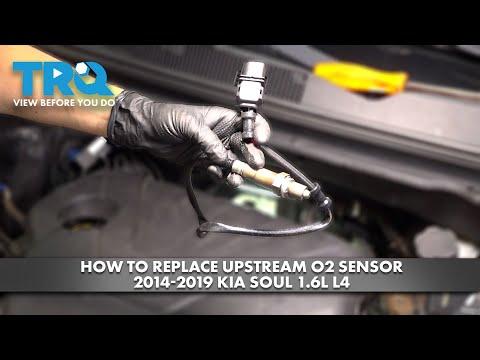
- Upstream oxygen sensor (Sensor 1) - Qty: 1
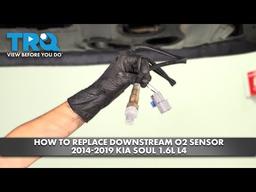
- Downstream oxygen sensor (Sensor 2) - Qty: 1
- Anti-seize compound (oxygen-sensor safe) - Qty: 1
- Dielectric grease - Qty: 1
📋 Before You Begin
- Park on level ground, shift to Park, and set the parking brake.
- Chock the rear wheels using wheel chocks.
- Let the exhaust cool for at least 60 minutes.
- Disconnect the negative battery terminal using a 10mm socket.
- Pro tip: Spray penetrating oil 10 minutes early.
🔨 Step-by-Step Instructions
Follow these steps in order:
Step 1: Raise and secure the vehicle
- Use a floor jack (rated 3-ton minimum) to lift the front of your Seltos at the front center jack point.
- Place jack stands (rated 3-ton minimum) at the left and right front pinch weld points.
- Gently lower the vehicle onto the stands and shake-test for stability.
Step 2: Locate both oxygen sensors
- Use a flashlight to find the sensors on the exhaust.
- Upstream sensor is before the catalytic converter; downstream sensor is after it.
- Follow each sensor’s wire to its electrical connector.
Step 3: Remove any underbody covers (if equipped)
- Use a trim clip removal tool and flat-blade screwdriver to remove clips and access panels as needed.
- Set clips aside so you don’t lose them.
Step 4: Unplug the upstream O2 sensor connector
- Find the upstream sensor connector and press the lock tab by hand (use a flat-blade screwdriver gently if stuck).
- Pull the connector straight apart; do not yank the wires.
- Apply a small dab of dielectric grease to the connector seal for reassembly.
Step 5: Remove the upstream O2 sensor
- Spray the sensor threads area with penetrating oil and wait 5–10 minutes.
- Place a oxygen sensor socket 22mm (specialty) on the sensor hex.
- Use a breaker bar 3/8" drive to loosen it (turn counterclockwise).
- Once loose, switch to a 3/8" drive ratchet and remove the sensor fully.
Step 6: Install the new upstream O2 sensor
- Start the sensor by hand first to avoid cross-threading (threads damaged = expensive repair).
- If the new sensor does not come with pre-applied coating, apply a tiny amount of anti-seize compound (oxygen-sensor safe) to the threads only; keep it off the tip.
- Tighten using the oxygen sensor socket 22mm (specialty) and a 3/8" drive torque wrench.
- Torque to 44 Nm (32 ft-lbs).
- Route the wire exactly like the original so it cannot touch the exhaust.
Step 7: Plug in the upstream connector
- Reconnect the plug until it clicks.
- Lightly tug to confirm it’s locked.
Step 8: Unplug the downstream O2 sensor connector
- Locate the downstream connector and release the lock tab.
- Use a flat-blade screwdriver carefully if the tab is stubborn.
Step 9: Remove the downstream O2 sensor
- Spray the threads area with penetrating oil and wait 5–10 minutes.
- Use the oxygen sensor socket 22mm (specialty) with a breaker bar 3/8" drive to crack it loose.
- Remove it the rest of the way using a 3/8" drive ratchet and 3/8" drive extension set (3" and 6") as needed.
Step 10: Install the new downstream O2 sensor
- Thread in by hand first.
- Apply anti-seize compound (oxygen-sensor safe) to threads only if needed.
- Tighten using the oxygen sensor socket 22mm (specialty) and a 3/8" drive torque wrench.
- Torque to 44 Nm (32 ft-lbs).
- Re-route the harness in the factory clips and away from the exhaust.
Step 11: Reinstall covers and lower the vehicle
- Reinstall any underbody panels using the trim clip removal tool and flat-blade screwdriver.
- Raise slightly with the floor jack (rated 3-ton minimum), remove jack stands (rated 3-ton minimum), then lower to the ground.
Step 12: Reconnect the battery
- Reconnect the negative terminal using a 10mm socket.
✅ After Repair
- Start your Seltos and let it idle for 2–3 minutes; listen for exhaust leaks (ticking) near where you worked.
- Make sure no wiring is near the hot exhaust.
- If the check engine light was on, it may take a few drive cycles to turn off; if it stays on, the codes should be scanned.
- Do a short test drive, then recheck for any warning lights.
💰 DIY vs Shop Cost
Shop Cost: $350-$750 (parts + labor)
DIY Cost: $120-$350 (parts only)
You Save: $230-$400 by doing it yourself!
Shop labor rates vary but typically run $100-$150/hour. This repair takes a shop approximately 1.5-3.0 hours.
🎯 Ready to get started?
HowToo makes it easy: same-day/2-day shipping on every part, plus all the tools and specialty tools you need! Check out the parts and tools sections below to add everything to your cart.