









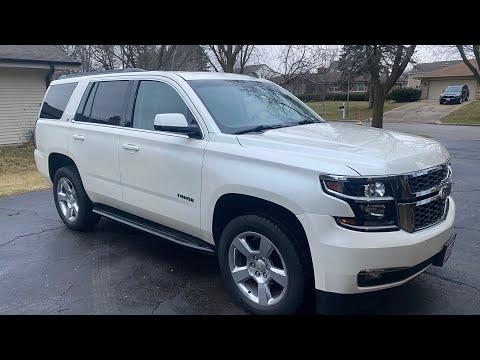







How to Replace Upper & Lower Radiator Hoses on a 2015-2020 GMC Yukon (DIY Guide) (Engine: V8 6.2L)
Step-by-step coolant hose replacement with required tools/parts, Dex-Cool refill, bleeding air, and leak checks
How to Replace Upper & Lower Radiator Hoses on a 2015-2020 GMC Yukon (DIY Guide) (Engine: V8 6.2L)
Step-by-step coolant hose replacement with required tools/parts, Dex-Cool refill, bleeding air, and leak checks for 2015, 2016, 2017, 2018, 2019, 2020


🔧 Yukon - Radiator Hose Replacement
Replacing a radiator hose stops coolant leaks and prevents overheating. On your Yukon, the hoses connect the radiator to the engine, and they’re usually held on with spring clamps or worm-gear clamps.
Assumption: You’re replacing a main radiator hose (upper and/or lower) with standard clamps, no extra hard lines.
Difficulty Level: Beginner | Estimated Time: 1.0-2.0 hours
⚠️ Safety & Precautions
- ⚠️ Never open the coolant tank when hot; hot coolant can spray and burn you.
- ⚠️ Support the Yukon with jack stands if you lift it—never rely on a floor jack alone.
- ⚠️ Keep coolant off belts and electrical connectors; wipe spills immediately.
- ⚠️ Dex-Cool coolant is toxic—catch all drain fluid and dispose of it properly.
- Battery disconnect is not required for this repair.
🔧 Required Tools
You'll need the following tools for this repair:
- Safety glasses
- Nitrile gloves
- Floor jack (rated 3-ton minimum)
- Jack stands (rated 3-ton minimum)
- Wheel chocks
- Drain pan (at least 3-gallon)
- Funnel
- Pliers
- Hose clamp pliers (specialty)
- Pick tool (specialty)
- Flathead screwdriver
- 1/4" drive ratchet
- 8mm socket
- 10mm socket
- Trim clip removal tool
- Shop rags
🔩 Required Parts
HowToo sells all the parts you need for this repair:
- Upper radiator hose - Qty: 1
- Lower radiator hose - Qty: 1
- Radiator hose clamps - Qty: 2-4
- Dex-Cool coolant (50/50 premix) - Qty: 1-2 gallons
📋 Before You Begin
- Park on level ground, set the parking brake, and install wheel chocks.
- Let the engine cool completely (best is overnight).
- Put a drain pan under the front of the Yukon.
- Take a photo of hose routing first.
🔨 Step-by-Step Instructions
Follow these steps in order:
Step 1: Relieve coolant system pressure (cold engine only)
- Slowly loosen the coolant surge tank cap by hand to release any leftover pressure, then remove it.
- If you hear hissing and the system seems pressurized, stop and let it cool longer.
Step 2: Lift the front (only if you need access to the lower hose)
- Use a floor jack (rated 3-ton minimum) to lift at the front jacking point.
- Set the Yukon securely on jack stands (rated 3-ton minimum).
Step 3: Remove the lower splash shield (if equipped)
- Use a trim clip removal tool for plastic clips.
- Use a 10mm socket with a 1/4" drive ratchet to remove small bolts.
- Set the shield and fasteners aside in a small pile so nothing gets lost.
Step 4: Drain enough coolant to get below the hose level
- Place the drain pan (at least 3-gallon) under the radiator area.
- If using the radiator drain, open it carefully with a flathead screwdriver (some drains are hand-turn style; do not force).
- If you can’t access the drain easily, you can drain by loosening the lower hose clamp and letting it flow into the pan (messier but works).
Step 5: Remove the old hose clamps
- For spring clamps: squeeze the clamp tabs using hose clamp pliers (specialty) and slide the clamp back onto the hose.
- For worm-gear clamps: loosen using an 8mm socket with a 1/4" drive ratchet (or a flathead screwdriver).
- Position clamps where you can reach them later.
Step 6: Break the hose free (without damaging fittings)
- Twist the hose near the end by hand to break it loose.
- If it’s stuck, carefully slide a pick tool (specialty) under the hose end to break the seal (a pick tool is a small hook-like tool used to separate stuck rubber without tearing it).
- Pull the hose off and aim any remaining coolant into the drain pan.
Step 7: Prep the connections
- Wipe the radiator neck and engine fitting with shop rags.
- Make sure no old rubber is stuck on the metal/plastic necks.
- Check for cracks on plastic necks—if cracked, stop and don’t force a new hose on.
Step 8: Install the new radiator hose
- Slide the clamps onto the new hose first (use pliers if needed).
- Push the hose fully onto each fitting until it bottoms out.
- Reposition the clamp so it sits behind the raised “bead” on the fitting, then secure it:
- Spring clamp: compress and release using hose clamp pliers (specialty).
- Worm-gear clamp: tighten using an 8mm socket and 1/4" drive ratchet until snug (do not overtighten and crush the fitting).
Step 9: Reinstall the splash shield (if removed)
- Reinstall bolts using a 10mm socket and 1/4" drive ratchet.
- Reinstall clips using a trim clip removal tool (used in reverse as a clip press).
Step 10: Refill coolant
- Use a funnel to fill the surge tank with Dex-Cool coolant (50/50 premix) to the “COLD” line.
- Leave the cap off for the initial air purge.
Step 11: Bleed air and check for leaks
- Start the engine and set the HVAC to HOT with the fan on medium.
- Let it idle and watch the coolant level; add coolant with the funnel as the level drops.
- When the engine warms up, feel the upper hose carefully—once it gets hot, the thermostat has opened and coolant is circulating.
- Inspect both hose ends for leaks using a bright light and shop rags.
- Install the surge tank cap by hand once the level stabilizes.
✅ After Repair
- Test drive 10-15 minutes, then re-check for leaks with the engine running.
- After the Yukon cools completely, re-check the surge tank level and top off to the “COLD” line using Dex-Cool coolant (50/50 premix).
- Watch the temperature gauge for the next few trips; overheating means air is still trapped or there’s another issue.
💰 DIY vs Shop Cost
Shop Cost: $250-$550 (parts + labor)
DIY Cost: $40-$140 (parts only)
You Save: $210-$410 by doing it yourself!
Shop labor rates vary but typically run $100-$150/hour. This repair takes a shop approximately 1.0-2.0 hours.
🎯 Ready to get started?
HowToo makes it easy: same-day/2-day shipping on every part, plus all the tools and specialty tools you need! Check out the parts and tools sections below to add everything to your cart.
Guide for Radiator Coolant Hose replace for these GMC vehicles
| Year Make Model | Sub Model | Engine | Body Style |
|---|---|---|---|
| 2020 GMC Yukon | - | V8 6.2L | - |
| 2020 GMC Yukon | - | V8 5.3L | - |
| 2019 GMC Yukon | - | V8 6.2L | - |
| 2019 GMC Yukon | - | V8 5.3L | - |
| 2018 GMC Yukon | - | V8 6.2L | - |
| 2018 GMC Yukon | - | V8 5.3L | - |
| 2017 GMC Yukon | - | V8 6.2L | - |
| 2017 GMC Yukon | - | V8 5.3L | - |
| 2016 GMC Yukon | - | V8 6.2L | - |
| 2016 GMC Yukon | - | V8 5.3L | - |
| 2015 GMC Yukon | - | V8 6.2L | - |
| 2015 GMC Yukon | - | V8 5.3L | - |