
















How to Replace the Water Pump & Thermostat Housing on a 2018 Volkswagen Tiguan 2.0T
Step-by-step instructions with required tools/parts, coolant refill & bleeding tips, and torque spec guidance for 2018, 2021
How to Replace the Water Pump & Thermostat Housing on a 2018 Volkswagen Tiguan 2.0T
Step-by-step instructions with required tools/parts, coolant refill & bleeding tips, and torque spec guidance for 2018, 2021


🔧 Tiguan - Water Pump Replacement
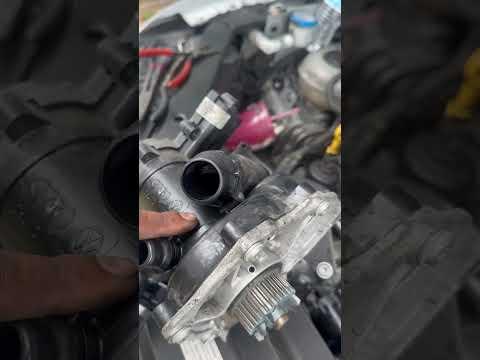
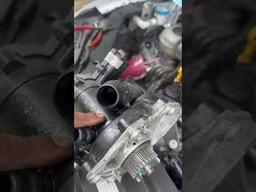
On your Tiguan, the water pump is part of a coolant module on the front/side of the 2.0T engine and leaks are common from the plastic housing or seals. Replacement involves draining coolant, removing the drive belt and nearby components, swapping the module, then refilling and bleeding the cooling system.
Difficulty Level: Advanced | Estimated Time: 4-6 hours
⚠️ Safety & Precautions
- ⚠️ Never open the coolant cap on a hot engine; let it cool completely.
- ⚠️ Support the Tiguan on jack stands; never rely on a jack.
- ⚠️ Coolant is toxic; catch and dispose of it properly.
- ⚠️ If you remove/loosen the alternator wiring, disconnect the battery negative cable first.
🔧 Required Tools
You'll need the following tools for this repair:
- Safety glasses
- Nitrile gloves
- Floor jack (rated 3-ton minimum)
- Jack stands (rated 3-ton minimum)
- Wheel chocks
- Torx T25 bit
- Torx T30 bit
- 10mm socket
- 13mm socket
- 16mm socket
- 1/4" ratchet
- 3/8" ratchet
- 3/8" torque wrench (10-60 Nm range)
- 1/2" torque wrench (40-200 Nm range)
- Serpentine belt tool (16mm)
- Hose clamp pliers
- Trim clip removal tool
- Coolant drain pan (at least 10 liters)
- Funnel
- Pick tool
- Cooling system vacuum fill tool (specialty)
- OBD scan tool with VW coolant bleed/basic settings (specialty)
🔩 Required Parts
HowToo sells all the parts you need for this repair:
- Water pump & thermostat housing assembly (2.0T) - Qty: 1
- Coolant (VW-spec G13 / G12 evo equivalent, pre-mixed 50/50) - Qty: 2-3 gallons
- Serpentine belt - Qty: 1
- Hose O-rings/seals (as needed if disturbed) - Qty: 1 set
📋 Before You Begin
- Park on level ground, set the parking brake, and install wheel chocks.
- Let the engine cool fully (radiator hoses should feel cool).
- Plan to use a vacuum fill tool (it pulls a vacuum and refills without air pockets) if you have one.
- Two quick questions before I give torque-accurate steps:
- Are you replacing the complete water pump/thermostat housing assembly (most common), or a pump-only unit?
- Can you upload a clear photo of the new part (or the area on the engine) so I match the exact bolt layout and torque specs?
🔨 Step-by-Step Instructions
Follow these steps in order:
Step 1: Make it safe and get access underneath
- Use a floor jack (rated 3-ton minimum) to lift the front, then support with jack stands (rated 3-ton minimum).
- Remove the lower splash shield using a Torx T25 bit and Torx T30 bit.
Step 2: Drain the coolant
- Place a coolant drain pan (at least 10 liters) under the radiator area.
- Slowly loosen the coolant reservoir cap to relieve any residual pressure.
- Use hose clamp pliers to release the lower radiator hose clamp (or open the radiator drain if equipped), and drain coolant fully.
Step 3: Remove top-side intake pieces for working room
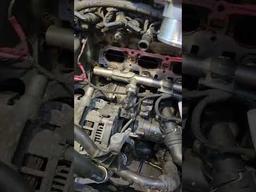
- Pull off the engine cover by hand (it’s press-fit).
- Remove the intake snorkel/ducting using a trim clip removal tool and Torx T25 bit as needed.
Step 4: Remove the serpentine belt
- Use a serpentine belt tool (16mm) to rotate the belt tensioner and slip the belt off.
- Take a belt routing photo first.
Step 5: Disconnect components attached to the coolant module
- Release electrical connectors at the pump/thermostat module using a pick tool (lift the lock tab gently).
- Use hose clamp pliers to remove coolant hoses from the module; expect more coolant loss.
- Plug hoses with clean caps/rags to reduce mess.
Step 6: Remove the water pump/thermostat housing assembly
- Remove the module mounting fasteners using a 10mm socket and 13mm socket as applicable.
- Carefully separate the module from the engine. Use a pick tool to remove stuck O-rings if they remain on the engine side.
- Clean the sealing surface with a lint-free rag (no gouging).
- Torque specs note: The exact bolt torques vary by the exact module revision and bolt sizes. Once you answer the 2 questions above (or upload a photo), I’ll provide the exact fastener-by-fastener torque list (in Nm/ft-lbs) for your layout.
Step 7: Install the new assembly
- Lightly wet new O-rings with fresh coolant and seat them correctly.
- Position the new assembly and start all bolts by hand to avoid cross-threading.
- Tighten fasteners evenly in a crisscross pattern using a 3/8" torque wrench (10-60 Nm range).
Step 8: Reinstall belt and removed parts
- Reinstall the serpentine belt using the serpentine belt tool (16mm).
- Reinstall intake ducting using a Torx T25 bit and trim clip removal tool as needed.
- Reinstall the splash shield using a Torx T25 bit and Torx T30 bit.
Step 9: Refill and bleed the cooling system
- Best method: use a cooling system vacuum fill tool (specialty) to vacuum-fill with VW-spec G13 / G12 evo equivalent coolant.
- If you don’t have vacuum fill: slowly fill the reservoir with a funnel, squeeze upper radiator hose by hand to burp air, then top off.
- If your scan tool supports it, run the cooling system bleed/basic setting using a OBD scan tool with VW coolant bleed/basic settings (specialty).
✅ After Repair
- Start the engine and let it idle; watch for leaks around hose joints and the new housing.
- Set heat to maximum and fan to low; verify the cabin heat gets hot (helps confirm coolant circulation).
- Let the engine reach operating temperature, then shut it off, cool down, and re-check coolant level; top off as needed.
- Scan for faults with your scan tool and clear any coolant temperature/pump-related codes if present.
💰 DIY vs Shop Cost
Shop Cost: $900-$1,600 (parts + labor)
DIY Cost: $250-$650 (parts only)
You Save: $650-$950 by doing it yourself!
Shop labor rates vary but typically run $100-$150/hour. This repair takes a shop approximately 4-6 hours.
🎯 Ready to get started?
HowToo makes it easy: same-day/2-day shipping on every part, plus all the tools and specialty tools you need! Check out the parts and tools sections below to add everything to your cart.