















How to Replace the Water Pump on a 2021 Nissan Altima (Electric vs Engine Pump)
Step-by-step troubleshooting to identify the correct pump, plus tools, parts, safety tips, and DIY cost estimates
How to Replace the Water Pump on a 2021 Nissan Altima (Electric vs Engine Pump)
Step-by-step troubleshooting to identify the correct pump, plus tools, parts, safety tips, and DIY cost estimates


🔧 Altima - Water Pump Replacement (Confirm Pump Type First)
On your Altima, “water pump” can mean two different coolant pumps depending on what you’re looking at. The replacement procedure is completely different (one is a major engine tear-down; the other is a bolt-on pump), so we need to identify which pump you mean before you buy parts or start disassembly.
Difficulty Level: Intermediate to Advanced (depends on pump type) | Estimated Time: 0.5 hour to identify, then 1.5–8+ hours to replace
⚠️ Safety & Precautions
- ⚠️ Never open the coolant cap hot; let it cool fully.
- ⚠️ Support the car with jack stands on a solid, level surface.
- ⚠️ Keep hands/tools clear of the belt path if the engine could start.
- ⚠️ Coolant is toxic—use a drain pan and clean spills immediately.
🔧 Required Tools
You'll need the following tools for this repair:
- Nitrile gloves
- Safety glasses
- Flashlight
- Floor jack (rated 3-ton minimum)
- Jack stands (rated 3-ton minimum)
- Wheel chocks
- 10mm socket
- 12mm socket
- 3/8" ratchet
- Trim clip remover
- Drain pan (at least 2-gallon)
🔩 Required Parts
HowToo sells all the parts you need for this repair:
- Nissan-approved coolant (blue long-life) - Qty: 1-2 gallons
📋 Before You Begin
- Park on level ground, set the parking brake, and chock the rear wheels.
- Let the engine cool completely (upper radiator hose should feel cool).
- If you’ll be working underneath, raise the front and support with jack stands.
🔨 Step-by-Step Instructions
Follow these steps in order:
Step 1: Identify whether you’re looking for an electric pump or the engine water pump
- Use a flashlight and look down the passenger-side/front area of the engine bay.
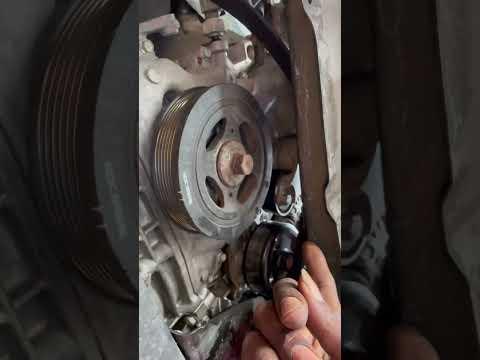
- If you see a pump body with an electrical connector and two coolant hoses attached, that’s an electric coolant pump (bolt-on style).
- If you do not see a pump with an electrical connector and instead see only the belt, pulleys, and engine covers, your “engine water pump” may be driven internally (this is a much bigger job).
- Take a clear photo of what you see.
Step 2: Get access for a better look from underneath (optional but helpful)
- Raise the front with a floor jack (rated 3-ton minimum) and set it on jack stands (rated 3-ton minimum).
- Remove the lower splash shield using a 10mm socket and trim clip remover.
- Use the flashlight to look for a small pump with an electrical connector near the lower radiator hose area.
✅ After Repair
- Reinstall any splash shields you removed and lower the car safely.
- If you drained any coolant during inspection, refill with Nissan-approved coolant (blue long-life) and check for leaks.
💰 DIY vs Shop Cost
Shop Cost: $250-$1,800 (depends on pump type)
DIY Cost: $30-$350 (parts only, depends on pump type)
You Save: $220-$1,450 by doing it yourself!
Shop labor rates vary but typically run $100-$150/hour. This repair takes a shop approximately 1.5-8+ hours.
🎯 Ready to get started?
Before I give you the exact replacement steps, answer these (quick) questions:
- 📷 Can you upload a photo of the pump area you’re calling the “water pump” (top view or from underneath)?
- Is your issue a coolant leak, overheating, or a noise (and where is it coming from)?
HowToo makes it easy: same-day/2-day shipping on every part, plus all the tools and specialty tools you need! Check out the parts and tools sections below to add everything to your cart.