









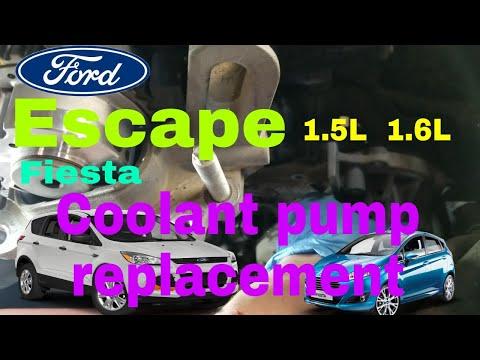




How to Replace the Water Pump on a 2020 Ford Escape 1.5L EcoBoost
Step-by-step DIY timing-belt driven water pump replacement with tools, parts list, safety tips, and cost savings breakdown
How to Replace the Water Pump on a 2020 Ford Escape 1.5L EcoBoost
Step-by-step DIY timing-belt driven water pump replacement with tools, parts list, safety tips, and cost savings breakdown


🔧 Escape - Water Pump Replacement
On your Escape’s 1.5L engine, the water pump is driven by the internal timing belt and sits behind the front engine cover. Replacing it means doing almost the full timing-belt job, using special tools to keep engine timing correct.
Difficulty Level: Advanced (not recommended as a first big job) | Estimated Time: 8-10 hours
⚠️ Safety & Precautions
- ⚠️ Work only on a completely cool engine; hot coolant can cause severe burns.
- ⚠️ Support the vehicle on jack stands, never only a floor jack.
- ⚠️ You will remove a right-side engine mount; the engine must be safely supported from below or above.
- ⚠️ Incorrect timing-belt installation can cause serious engine damage (bent valves, no-start).
- ⚠️ Disconnect the negative battery cable before working near the starter, alternator, or main harness.
- ⚠️ Use eye protection when working under the vehicle or around coolant.
🔧 Required Tools
You'll need the following tools for this repair:
- 🛠️ Metric socket set (8mm–19mm)
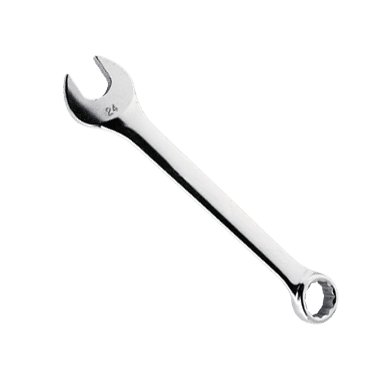
- 🛠️ Metric wrench set (8mm–19mm)
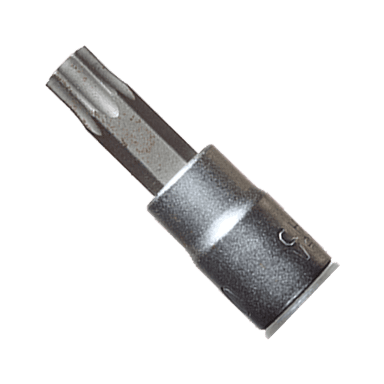
- 🛠️ Torx bit set (T20–T50)
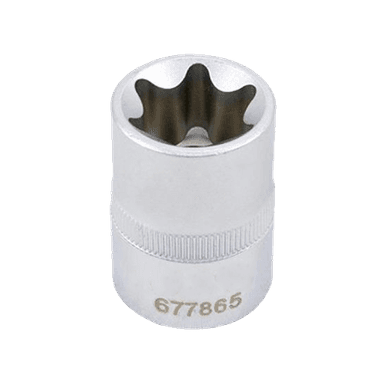
- 🛠️ E-Torx socket set (E6–E14)
- 🛠️ 3/8" drive ratchet
- 🛠️ 1/2" drive ratchet
- 🛠️ 3/8" drive torque wrench (5–80 ft-lbs)
- 🛠️ 1/2" drive torque wrench (30–200 ft-lbs)
- 🛠️ Breaker bar 1/2" drive
- 🛠️ Trim clip removal tool
- 🛠️ Flathead screwdriver (medium)
- 🛠️ Phillips screwdriver (medium)
- 🛠️ Pry bar (small)
- 🛠️ Floor jack (rated 3-ton minimum)
- 🛠️ Jack stands (rated 3-ton minimum, Qty: 2)
- 🛠️ Wheel chocks
- 🛠️ Drain pan (at least 10 liters)
- 🛠️ Funnel with small spout
- 🛠️ Shop light or headlamp
- 🛠️ Shop rags
- 🛠️ Cooling system vacuum fill tool (specialty)
- 🛠️ Timing alignment and locking tool kit for Ford 1.5L EcoBoost (specialty)
- 🛠️ Engine support bar or support beam (specialty)
- 🛠️ Engine support block or wood block for floor jack (if supporting engine from below)
- 🛠️ Harmonic balancer puller (crank pulley puller) (specialty)
- 🛠️ Plastic scraper
- 🛠️ Brake cleaner spray
- 🛠️ Nitrile gloves
- 🛠️ Safety glasses
🔩 Required Parts
HowToo sells all the parts you need for this repair:
- 🔩 Engine water pump (1.5L EcoBoost) - Qty: 1
- 🔩 Water pump gasket or O-ring - Qty: 1
- 🔩 Timing belt kit (belt + tensioner + idlers) - Qty: 1
- 🔩 Crankshaft pulley bolt (single-use, torque-to-yield) - Qty: 1
- 🔩 Engine mount bolts (if specified single-use) - Qty: set
- 🔩 Front timing cover gasket or RTV sealant (Ford-spec) - Qty: 1
- 🔩 Degas bottle cap O-ring (optional but recommended) - Qty: 1
- 🔩 Engine coolant (Ford-spec orange or yellow, premixed 50/50) - Qty: ~7–9 liters
- 🔩 Accessory drive belt (serpentine belt) - Qty: 1
- 🔩 Coolant-safe thread sealant (if required for any bolts) - Qty: 1
- 🔩 New hose clamps (spring or worm-gear, as needed) - Qty: as needed
📋 Before You Begin
- Park the Escape on level ground, set the parking brake, and place wheel chocks behind the rear wheels.
- Open the hood and let the engine cool completely (at least 1–2 hours if it was hot).
- Disconnect the negative battery cable using a 10mm socket and move it aside so it cannot touch the terminal.
- Raise the front of the vehicle with a floor jack and support it securely with jack stands under the proper pinch welds or subframe points.
- Decide if you will support the engine from above (engine support bar across fenders) or from below (floor jack with a wood block under the oil pan). Prepare that support but do not lift yet.
- Have printed or screen-accessible torque specs ready from a trusted service source, and follow those exact values where noted as Torque to manufacturer spec.
🔨 Step-by-Step Instructions
Follow these steps in order:
Step 1: Drain the coolant
- Place a large drain pan under the radiator area.
- Use a flathead screwdriver to remove the lower engine splash shield fasteners or clips; also use a trim clip removal tool as needed.
- Locate the lower radiator hose connection. Use pliers or the appropriate tool (if spring clamp) to loosen the clamp, then twist and pull the hose off carefully, letting coolant drain into the pan.
- Open the coolant reservoir (degas bottle) cap slowly to speed up draining.
- After draining, temporarily reinstall the lower hose using pliers to set the clamp, to keep drips down while you work.
Step 2: Remove air intake and components for access
- Use a flathead screwdriver to loosen the clamps on the air intake tube between the airbox and turbo inlet.
- Disconnect any electrical connectors on the intake tube (like the MAF/MAP sensor) by hand.
- Lift out the airbox or upper section as needed, using 10mm socket to remove any attached bolts.
- Take photos before unplugging things.
Step 3: Remove right front wheel and inner splash shield
- Loosen the right front wheel lug nuts one turn using a lug wrench or 19mm socket before lifting the vehicle.
- Raise and support the vehicle (if not already) with floor jack and jack stands.
- Remove the lug nuts fully with a 19mm socket and remove the wheel.
- Use a trim clip removal tool and Torx bits to remove fasteners holding the right inner fender liner, then pull the liner out for access to the crank pulley area.
Step 4: Remove accessory drive (serpentine) belt
- Note the belt routing or take a clear photo.
- Use a ratchet or breaker bar with the correct size socket (usually 15mm) on the belt tensioner to rotate it and relieve tension.
- While holding the tensioner, slide the belt off with your other hand, then slowly release the tensioner.
- Remove the belt from all pulleys and set it aside (replace with new).
Step 5: Support the engine and remove right engine mount
- Position the engine support bar across the fenders and attach its chains to approved lifting points on the engine, then take light tension according to the tool instructions. If supporting from below, place a floor jack with a wood block under the oil pan and apply light upward pressure—just enough to support, not lift the vehicle.
- Use a 15mm or 18mm socket to remove the bolts holding the right engine mount to the body and engine bracket. Some may be E-Torx; in that case use the appropriate E-Torx socket.
- Remove the engine mount and bracket components as needed to clear the timing cover area.
- Keep mount bolts labeled; some are different lengths.
Step 6: Remove crankshaft pulley (harmonic balancer)
- From the wheel well, use a breaker bar and the correct size socket on the crankshaft pulley bolt.
- Install the crankshaft holding tool from your timing alignment and locking tool kit per its instructions to keep the crank from turning.
- Loosen and remove the crankshaft pulley bolt with the breaker bar. This bolt is usually torque-to-yield and must be replaced.
- Use the harmonic balancer puller to draw the pulley off the crankshaft; follow the puller instructions carefully.
Step 7: Remove timing cover(s)
- Use a 10mm socket and/or Torx bits to remove all bolts holding the upper and lower timing covers.
- Gently pry the covers away using a plastic pry tool or your fingers to avoid damaging sealing surfaces.
- Set the covers aside in order.
Step 8: Set engine to timing position and lock it
- Rotate the crankshaft clockwise using a ratchet and socket on the crank bolt location until the timing marks on the camshafts and crankshaft align per the 1.5L EcoBoost timing tool instructions.
- Install the timing alignment and locking tools on the camshafts and crankshaft per the kit's instructions so all three cylinders are in the correct reference position.
- Do not rotate the engine with locking tools installed.
Step 9: Remove timing belt and tensioner
- Note the current belt routing and orientation. A timing belt is an internal toothed belt that synchronizes crank and cams.
- Use the appropriate socket or Torx bit to loosen the timing belt tensioner bolt and back off tension on the belt.
- Slide the belt off the cam and crank pulleys and remove it; discard the old belt.
- Remove the tensioner and any idler pulleys using the correct socket.
Step 10: Remove the water pump
- Place rags or a small drain pan under the pump area to catch any remaining coolant.
- Use a socket (often 8mm or 10mm) to remove the water pump mounting bolts in a crisscross pattern.
- Gently pry the pump away from the engine block using a plastic pry tool if it is stuck. Do not gouge the aluminum surface.
- Remove the pump and old gasket or O-ring.
- Clean the mating surface on the engine with a plastic scraper and wipe with a little brake cleaner on a rag until smooth and free of old gasket material.
Step 11: Install the new water pump
- Lightly coat the new gasket or O-ring with clean coolant if specified by the instructions.
- Position the new pump on the engine, making sure the gasket is seated correctly.
- Install the pump bolts finger-tight, then snug them in a crisscross pattern using the correct socket.
- Tighten all bolts to Torque to manufacturer spec using a 3/8" torque wrench.
Step 12: Install new timing components
- Install the new idler(s) and tensioner from the timing kit using the correct socket. Tighten mounting bolts to Torque to manufacturer spec with a 3/8" torque wrench.
- Route the new timing belt over the crankshaft sprocket, then around the water pump, idlers, and cam sprockets exactly as original, keeping the belt tight on the non-tensioned side.
- Set the tensioner according to the kit’s instructions (some use an indicator pointer). Tighten its bolt to Torque to manufacturer spec.
- Double-check that all timing marks and locking tools still line up correctly.
Step 13: Verify timing and remove locking tools
- Carefully remove the timing locking tools.
- Using a ratchet and socket on the crank, rotate the engine by hand two full turns clockwise.
- Reinstall the locking tools or re-check the timing marks to confirm that timing is still correct after rotation.
- If marks do not line up, loosen the tensioner, reposition the belt, and repeat until perfect.
Step 14: Reinstall timing covers
- Clean the cover sealing edges and apply new RTV sealant or gaskets as specified.
- Install lower and upper covers with their bolts using a 10mm socket and Torx bits where needed.
- Tighten bolts evenly to Torque to manufacturer spec.
Step 15: Reinstall crankshaft pulley and new bolt
- Slide the crank pulley back onto the crankshaft by hand, aligning its key or locating feature.
- Install a new crankshaft pulley bolt and snug it by hand using a ratchet and correct socket.
- Use the crank-holding tool from your timing alignment and locking tool kit to lock the crank.
- Tighten the bolt in two stages with a 1/2" torque wrench: first to the initial torque, then angle-tighten according to Torque to manufacturer spec (torque + angle). Refer to your service information for the exact numbers.
Step 16: Reinstall engine mount and brackets
- Lower or adjust the engine with the engine support bar or floor jack so the mount holes align.
- Install the engine mount and any brackets with their bolts using 15mm–18mm sockets and/or E-Torx sockets.
- Tighten new mount bolts to Torque to manufacturer spec using the appropriate torque wrench.
- Remove or release the engine support once all mount bolts are tight.
Step 17: Reinstall serpentine belt and intake components
- Route the new serpentine belt according to your photo or diagram.
- Use the ratchet or breaker bar on the belt tensioner to relieve tension, slip the belt onto the last pulley, then slowly release the tensioner.
- Check that the belt is seated in all pulley grooves.
- Reinstall the airbox and intake tubes using 10mm socket and flathead screwdriver for clamps.
- Reconnect all electrical connectors by hand until they click.
Step 18: Reinstall wheel, liners, and splash shields
- Reinstall the inner fender liner with its clips and screws using a trim clip removal tool and Torx bits.
- Reinstall the lower engine splash shield using a flathead screwdriver and/or Torx bits.
- Install the wheel, hand-thread lug nuts, then snug them using a 19mm socket.
- Lower the vehicle off the jack stands using the floor jack.
- Torque the lug nuts to Torque to manufacturer spec with a torque wrench.
Step 19: Refill and bleed the cooling system
- Close any open drain points and confirm the lower radiator hose is secure with its clamp using pliers if needed.
- Use a cooling system vacuum fill tool to pull a vacuum on the system and then draw in new premixed coolant. This helps avoid air pockets.
- If you don’t have a vacuum tool, slowly fill the reservoir with coolant using a funnel until it reaches the MAX line.
- Reconnect the negative battery cable with a 10mm socket.
- Start the engine and let it idle with the heater set to HOT and the blower on low. Monitor the coolant level and add as it drops, using a funnel.
- Watch for the cooling fan to cycle on and off and for the engine to reach normal operating temperature. Check for leaks around the water pump and hose connections.
Step 20: Final checks
- Shut the engine off and let it cool completely; re-check coolant level and top off to the MAX mark if needed.
- Inspect under the vehicle and around the timing cover and pump area for any signs of leaks.
- Clean up any spilled coolant with shop rags and dispose of old coolant properly; it is toxic.
✅ After Repair
- Start the Escape and listen for any abnormal noises: no squealing, grinding, or knocking should be present.
- Watch the temperature gauge during a 15–20 minute drive to confirm it stays in the normal range.
- After the first drive, re-check coolant level and inspect for leaks around the water pump, hoses, and under the vehicle.
- Over the next few days, check coolant level each morning and monitor for any sweet-smelling odor or drips under the front of the vehicle.
💰 DIY vs Shop Cost
Shop Cost: $900–$1,500 (parts + labor)
DIY Cost: $250–$500 (parts only, assuming you have or borrow tools)
You Save: $650–$1,000 by doing it yourself!
Shop labor rates vary but typically run $100–$150/hour. This repair takes a shop approximately 6–8 hours.
🎯 Ready to get started?
HowToo makes it easy: same-day/2-day shipping on every part, plus all the tools and specialty tools you need! Check out the parts and tools sections above to add everything to your cart.