









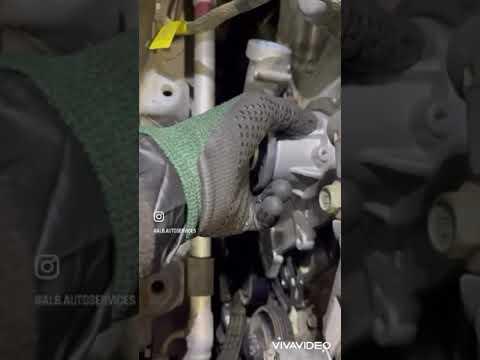







How to Replace the Water Pump on a 2019 Hyundai Santa Fe XL (DIY Repair Guide)
Step-by-step replacement instructions with required tools/parts, safety tips, coolant refill & bleeding steps, and torque specs for 2019
How to Replace the Water Pump on a 2019 Hyundai Santa Fe XL (DIY Repair Guide)
Step-by-step replacement instructions with required tools/parts, safety tips, coolant refill & bleeding steps, and torque specs for 2019


🔧 Santa Fe XL - Water Pump Replacement
Replacing the water pump on your Santa Fe XL involves draining coolant, removing the drive belt and front-side components, swapping the pump and gasket, then refilling and bleeding the cooling system. To give you the exact factory torque specs and the exact access path (there are small production variations), I need one quick detail first.
Difficulty Level: Advanced | Estimated Time: 3-6 hours
⚠️ Safety & Precautions
- ⚠️ Let the engine cool fully before opening the cooling system; hot coolant can cause severe burns.
- ⚠️ Support the SUV on jack stands—never rely on a floor jack alone.
- ⚠️ Keep hands/clothing clear of the belt path; do not crank the engine with covers off.
- ⚠️ Coolant is toxic; catch and dispose of it properly.
- ⚠️ If you’ll be unplugging electrical connectors near the radiator fans, disconnect the battery negative terminal first.
🔧 Required Tools
You'll need the following tools for this repair:
- Floor jack (rated 3-ton minimum)
- Jack stands (rated 3-ton minimum)
- Wheel chocks
- Safety glasses
- Nitrile gloves
- Drain pan (at least 10-quart)
- Funnel
- Shop rags
- 3/8" drive ratchet
- 1/2" drive breaker bar
- Socket set 8mm-19mm
- Wrench set 8mm-19mm
- Torque wrench (10-150 ft-lbs range)
- Serpentine belt tool (specialty)
- Trim clip remover
- Flathead screwdriver
- Pliers (hose clamp)
- Plastic gasket scraper
- OBD2 scan tool with live data (specialty)
🔩 Required Parts
HowToo sells all the parts you need for this repair:
- Water pump - Qty: 1
- Water pump gasket / O-ring (as equipped) - Qty: 1
- Hyundai-approved coolant (pre-mix or concentrate + distilled water) - Qty: 2-3 gallons
- Serpentine drive belt - Qty: 1
- Hose clamps (optional) - Qty: 2
📋 Before You Begin
- Park on level ground, set the parking brake, and place wheel chocks behind the rear tires.
- Allow the engine to cool completely (at least 2-3 hours).
- Gather containers for used coolant and plan for proper disposal.
- Have your torque wrench ready; water pump fasteners are easy to strip if over-tightened.
🔨 Step-by-Step Instructions
Follow these steps in order:
Step 1: Confirm the build date (needed for factory torque specs)
- Open the driver door and read the month/year on the door-jamb certification label.
- Reply with the build month/year (example: 08/2018).
Step 2: Confirm your symptom (so we replace the right parts)
- Tell me which you have: coolant drip at front passenger side, overheating, whining noise, or coolant smell.
- If you can, share whether you’re also replacing the thermostat or just the pump.
Step 3: I’ll send the exact OEM procedure
- Once I have the build date, I’ll give you the trim-accurate access path and all factory torque specs for the pump, pulley/bracket, and belt tensioner (if removed).
- I’ll also include the correct bleeding steps for your Santa Fe XL so you don’t trap air and overheat.
✅ After Repair
- After refilling, confirm steady cabin heat, stable temp gauge, and no coolant leaks at the pump seam.
- Use an OBD2 scan tool to watch engine coolant temperature during the first warm-up and recheck coolant level after it cools.
💰 DIY vs Shop Cost
Shop Cost: $650-$1,200 (parts + labor)
DIY Cost: $120-$320 (parts only)
You Save: $330-$1,080 by doing it yourself!
Shop labor rates vary but typically run $100-$150/hour. This repair takes a shop approximately 3-5 hours.
🎯 Ready to get started?
Reply with the build month/year from your door-jamb sticker (and your symptom), and I’ll send the complete, torque-spec’d step-by-step for your Santa Fe XL. HowToo makes it easy: same-day/2-day shipping on every part, plus all the tools and specialty tools you need! Check out the parts and tools sections below to add everything to your cart.