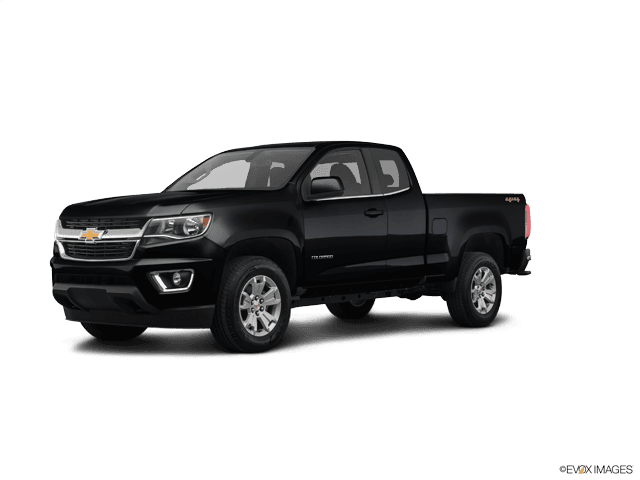









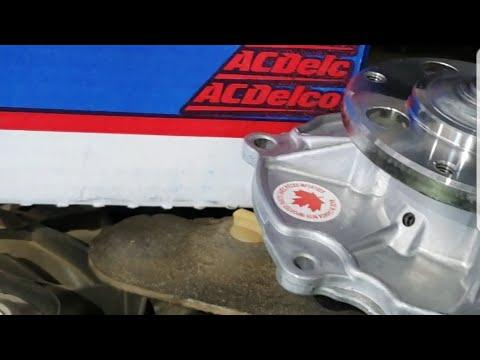







How to Replace the Water Pump on a 2019 Chevrolet Colorado (DIY Repair Guide)
Step-by-step instructions with required tools, parts list, coolant refill/bleed tips, and leak checks
How to Replace the Water Pump on a 2019 Chevrolet Colorado (DIY Repair Guide)
Step-by-step instructions with required tools, parts list, coolant refill/bleed tips, and leak checks


🔧 Colorado - Water Pump Replacement
The water pump circulates coolant through your Colorado’s engine and radiator. Replacing it typically involves draining coolant, removing the serpentine belt and front-of-engine components for access, swapping the pump and gasket/seal, then refilling and bleeding the cooling system.
Difficulty Level: Advanced | Estimated Time: 4-7 hours
⚠️ Safety & Precautions
- ⚠️ Never open the coolant tank hot; wait until fully cool.
- ⚠️ Support the truck with jack stands on solid, level ground.
- ⚠️ Coolant is toxic—keep away from kids/pets and clean spills.
- Disconnect the negative battery cable to prevent accidental fan operation (the electric fan can start unexpectedly).
🔧 Required Tools
You'll need the following tools for this repair:
- Safety glasses
- Nitrile gloves
- Floor jack (rated 3-ton minimum)
- Jack stands (rated 3-ton minimum)
- Wheel chocks
- Drain pan (at least 10 quarts)
- Funnel
- Trim clip removal tool
- Flathead screwdriver
- 8mm socket
- 10mm socket
- 13mm socket
- 15mm socket
- 3/8" drive ratchet
- 3/8" drive torque wrench
- Serpentine belt tool 3/8" drive
- Pliers (hose clamp pliers)
- Gasket scraper (plastic)
- Brake cleaner spray
- Shop rags
- Cooling system vacuum fill tool (specialty)
- Cooling system pressure tester (specialty)
🔩 Required Parts
HowToo sells all the parts you need for this repair:
- Water pump assembly - Qty: 1
- Water pump gasket / seal - Qty: 1
- Dex-Cool coolant (premix 50/50) - Qty: 3-4 gallons
- Serpentine belt - Qty: 1 Optional but smart if worn
- Hose clamp (assorted) - Qty: 1 Optional if clamps are weak
📋 Before You Begin
- Park on level ground, set the parking brake, and chock the rear wheels.
- Let the engine cool completely (radiator hoses should feel cool).
- Disconnect the negative battery cable using a 10mm socket.
- Plan coolant fill/bleed: a cooling system vacuum fill tool (specialty) is the easiest way to prevent air pockets (air trapped in the system can cause overheating).
🔨 Step-by-Step Instructions
Follow these steps in order:
Step 1: Raise and access the lower front area
- Use a floor jack (rated 3-ton minimum) to lift the front and set it on jack stands (rated 3-ton minimum).
- Remove any lower splash shield(s) using an 8mm socket and a trim clip removal tool.
Step 2: Drain the coolant
- Place a drain pan (at least 10 quarts) under the radiator area.
- Slowly loosen the coolant surge tank cap to release any residual pressure.
- Drain coolant from the radiator drain (if equipped) and/or lower radiator hose using pliers (hose clamp pliers).
Step 3: Remove the air intake ducting for working room
- Loosen intake clamps using an 8mm socket or flathead screwdriver.
- Remove the intake duct/air snorkel and set aside.
Step 4: Remove the serpentine belt
- Use a serpentine belt tool 3/8" drive on the belt tensioner and rotate to release tension.
- Slide the belt off one pulley, then remove it fully.
- Tip: Take a belt routing photo first.
Step 5: Remove components blocking the water pump (front-of-engine)
- Remove the electric fan/shroud if it blocks access (common on your Colorado) using a 10mm socket, trim clip removal tool, and disconnect connectors carefully.
- If the alternator or brackets block the pump on your setup, remove them with a 13mm socket and 15mm socket.
- Important: Keep bolts grouped by component so they go back in the same locations.
Step 6: Disconnect water pump hoses
- Use pliers (hose clamp pliers) to release clamps and pull hoses off the pump.
- Expect more coolant to drain—keep the drain pan positioned.
Step 7: Remove the water pump
- Remove water pump fasteners using a 10mm socket (some fasteners may be 13mm socket depending on bracketry).
- Remove the water pump from the engine.
- Clean the mating surface using a gasket scraper (plastic), then wipe with brake cleaner spray and shop rags.
- Torque note: I can’t give the exact OEM torque values without the exact fastener set/variant. If you upload a photo of the torque-spec page or the pump/bolt layout, I’ll plug in the correct torque specs for each fastener before you reassemble.
Step 8: Install the new water pump and gasket/seal
- Install the new water pump gasket / seal (make sure it sits flat and isn’t pinched).
- Position the new pump and start all bolts by hand (prevents cross-threading).
- Tighten bolts evenly in a crisscross pattern using a 3/8" drive ratchet, then final-tighten with a 3/8" drive torque wrench to OEM spec (once confirmed).
Step 9: Reinstall removed components and belt
- Reinstall brackets/alternator/fan/shroud using the same sockets used for removal (10mm, 13mm, 15mm).
- Route the belt per your photo and use the serpentine belt tool 3/8" drive to swing the tensioner and slip the belt on.
Step 10: Refill and bleed the cooling system
- Best method (recommended): Use a cooling system vacuum fill tool (specialty) to pull vacuum and refill with Dex-Cool coolant (premix 50/50).
- Manual method: Use a funnel to fill the surge tank slowly, start the engine, set heat to HOT, and let it idle while topping off as the level drops.
- Watch the temperature gauge closely; shut down if it climbs abnormally.
Step 11: Pressure test for leaks
- With the engine off and coolant filled, use a cooling system pressure tester (specialty) to pressurize the system and check for leaks at the pump and hose connections.
- Reinstall the splash shield(s) using the 8mm socket and trim clip removal tool.
✅ After Repair
- Reconnect the negative battery cable using a 10mm socket.
- Road test 10–15 minutes, then recheck coolant level after it cools completely.
- Inspect for drips under the front of the engine and around hose connections.
- If you ever see overheating, heater blowing cold, or gurgling sounds, stop and re-bleed the system (air trapped).
💰 DIY vs Shop Cost
Shop Cost: $900-$1,500 (parts + labor)
DIY Cost: $180-$450 (parts only)
You Save: $720-$1,050 by doing it yourself!
Shop labor rates vary but typically run $100-$150/hour. This repair takes a shop approximately 4-7 hours.
🎯 Ready to get started?
HowToo makes it easy: same-day/2-day shipping on every part, plus all the tools and specialty tools you need! Check out the parts and tools sections below to add everything to your cart.