









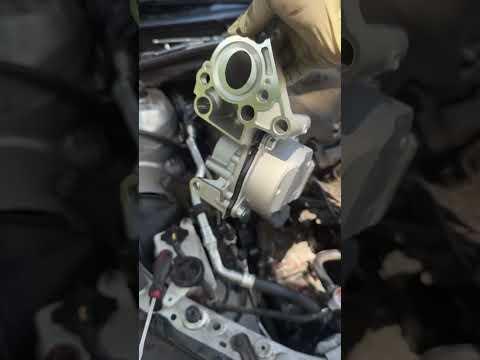






How to Replace the Water Pump on a 2018-2023 Toyota Camry (Engine: Inline 4 2.5L)
Step-by-step repair guide with tools, parts, torque specs, and cooling system bleed tips
How to Replace the Water Pump on a 2018-2023 Toyota Camry (Engine: Inline 4 2.5L)
Step-by-step repair guide with tools, parts, torque specs, and cooling system bleed tips for 2018, 2019, 2020, 2021, 2022, 2023


🔧 Water Pump - Replacement
The water pump circulates coolant through the engine to keep temperatures under control. If it is leaking, noisy, or causing overheating, replacement is the fix. On your Camry, this is a front-side engine repair and you’ll also need to refill and bleed the cooling system afterward.
Difficulty Level: Intermediate | Estimated Time: 3-5 hours
⚠️ Safety & Precautions
- Let the engine go fully cold before opening the cooling system.
- Coolant is hot and pressurized when the engine is warm.
- Keep coolant away from pets and children; it is toxic.
- Disconnect the negative battery cable before working near the belt drive area.
- Use jack stands if you raise the front of the vehicle; never rely on a jack alone.
- Do not start the engine with the serpentine belt removed.
🔧 Required Tools
You'll need the following tools for this repair:
- 10mm socket
- 12mm socket
- Ratchet
- Extension bar
- Torque wrench
- Serpentine belt tool (specialty)
- Flat-blade screwdriver
- Pliers
- Drain pan
- Funnel
- Coolant funnel / spill-free fill kit (specialty)
- Floor jack (rated 3-ton minimum)
- Jack stands
- Safety glasses
- Mechanic gloves
- Shop towels
🔩 Required Parts
HowToo sells all the parts you need for this repair:
- Water pump assembly - Qty: 1
- Water pump gasket / seal - Qty: 1
- Engine coolant - Qty: 1-2 gallons
- Serpentine belt - Qty: 1
- Coolant drain plug washer - Qty: 1
📋 Before You Begin
- Park on level ground and set the parking brake.
- Let the engine cool completely.
- Disconnect the negative battery cable.
- If the front of the vehicle needs to be raised, support it securely on jack stands.
- Have the new coolant ready before you open the system.
🔨 Step-by-Step Instructions
Follow these steps in order:
Step 1: Drain the coolant
- Place a drain pan under the radiator drain area.
- Use a pliers or flat-blade screwdriver, depending on the drain style, to open the radiator drain and lower the coolant level.
- Drain enough coolant so the water pump area will not spill when removed.
- Catch every drop you can.
Step 2: Remove the engine cover and intake components as needed
- Use a 10mm socket and ratchet to remove the engine cover fasteners or lift the cover off if it is snap-in.
- If the intake duct blocks access, loosen the clamps with a flat-blade screwdriver and remove the duct.
- Move any nearby hoses or wiring clips out of the way.
Step 3: Remove the serpentine belt
- Use a serpentine belt tool to rotate the belt tensioner.
- Slip the belt off one pulley and slowly release the tensioner.
- Inspect the belt now; replace it if it is cracked, glazed, or noisy.
Step 4: Remove the water pump pulley
- Use a 10mm socket to remove the pulley bolts.
- Hold the pulley steady while loosening the bolts.
- Remove the pulley and set it aside.
Step 5: Remove the water pump
- Use a 10mm socket and ratchet to remove the water pump bolts.
- Keep track of bolt locations; some may differ in length.
- Gently pull the water pump off the engine.
- If it is stuck, tap lightly with a rubber mallet. Do not pry hard against the sealing surface.
Step 6: Clean the sealing surface
- Use a plastic scraper and shop towels to clean the old gasket material off the engine.
- Wipe the surface until it is clean and dry.
- A clean surface prevents leaks.
Step 7: Install the new water pump
- Install the new gasket on the water pump or engine side as designed.
- Position the water pump on the engine.
- Use a 10mm socket to start all bolts by hand first.
- Tighten the bolts evenly in a crisscross pattern.
- Torque to 10 Nm (89 in-lbs).
Step 8: Reinstall the pulley and belt
- Reinstall the water pump pulley using a 10mm socket.
- Torque to 21 Nm (15 ft-lbs).
- Route the serpentine belt exactly as it was before.
- Use the serpentine belt tool to release tension and slip the belt into place.
- Double-check belt alignment on every pulley.
Step 9: Reassemble intake parts and engine cover
- Reinstall any intake ducting, clamps, and removed brackets.
- Reinstall the engine cover.
- Use a 10mm socket where fasteners were removed.
Step 10: Refill and bleed the cooling system
- Close the drain plug and install a new washer if used.
- Use a funnel or spill-free fill kit to refill with the correct coolant.
- Fill slowly to reduce trapped air.
- Start the engine and let it idle with the heater set to full hot.
- Watch the coolant level and add more as air burps out.
- Once the upper radiator hose gets warm, continue checking for bubbles and leaks.
Step 11: Final torque and leak check
- Shut the engine off and let it cool.
- Recheck the coolant level and top off if needed.
- Inspect around the water pump, pulley, hoses, and drain plug for leaks.
- Check again after the first drive.
✅ After Repair
- Drive the vehicle and watch the temperature gauge.
- Check for coolant leaks after the engine cools down again.
- Confirm the heater blows hot air, which helps show the system is bled correctly.
- Recheck coolant level the next day.
💰 DIY vs Shop Cost
Shop Cost: $750-$1,300 (parts + labor)
DIY Cost: $140-$320 (parts only)
You Save: $610-$980 by doing it yourself!
Shop labor rates vary but typically run $100-$150/hour. This repair takes a shop approximately 3-5 hours.
🎯 Ready to get started?
HowToo makes it easy: same-day/2-day shipping on every part, plus all the tools and specialty tools you need! Check out the parts and tools sections below to add everything to your cart.
Guide for Engine Water Pump replace for these Toyota vehicles
| Year Make Model | Sub Model | Engine | Body Style |
|---|---|---|---|
| 2023 Toyota Camry | - | Inline 4 2.5L | - |
| 2023 Toyota Camry | - | V6 3.5L | - |
| 2022 Toyota Camry | - | Inline 4 2.5L | - |
| 2022 Toyota Camry | - | V6 3.5L | - |
| 2021 Toyota Camry | - | Inline 4 2.5L | - |
| 2021 Toyota Camry | - | V6 3.5L | - |
| 2020 Toyota Camry | - | Inline 4 2.5L | - |
| 2020 Toyota Camry | - | V6 3.5L | - |
| 2019 Toyota Camry | - | Inline 4 2.5L | - |
| 2019 Toyota Camry | - | V6 3.5L | - |
| 2018 Toyota Camry | - | Inline 4 2.5L | - |
| 2018 Toyota Camry | - | V6 3.5L | - |