














How to Replace the Water Pump on a 2016 Volkswagen Golf
Step-by-step instructions with tools, parts, torque specs, and cooling system bleed tips for 2015, 2016, 2017, 2018
How to Replace the Water Pump on a 2016 Volkswagen Golf
Step-by-step instructions with tools, parts, torque specs, and cooling system bleed tips for 2015, 2016, 2017, 2018


🔧 Water Pump - Replacement
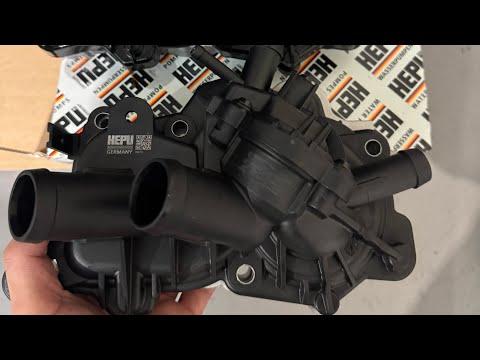
On your Golf, the water pump is part of the engine cooling system and sits on the engine side, near the timing cover area. Replacing it means draining coolant, removing access components, swapping the pump and seal, then refilling and bleeding the cooling system so the engine does not overheat.
Difficulty Level: Advanced | Estimated Time: 4-7 hours
⚠️ Safety & Precautions
- Do this only on a fully cool engine. Hot coolant can cause severe burns.
- Use jack stands on solid ground. Never rely on a jack alone.
- Keep hands, clothing, and tools away from the accessory drive belt and fans.
- Use proper coolant only. Mixing the wrong coolant can damage the cooling system.
- Battery disconnect is not usually required, but if you are removing the cooling fan or working near heavy power cables, disconnect the negative battery terminal first.
- If your car has an electronic coolant bleed procedure, complete it after refilling.
🔧 Required Tools
You'll need the following tools for this repair:
- Metric socket set
- Ratchet
- Torque wrench
- Torx T25 screwdriver
- Torx T30 screwdriver
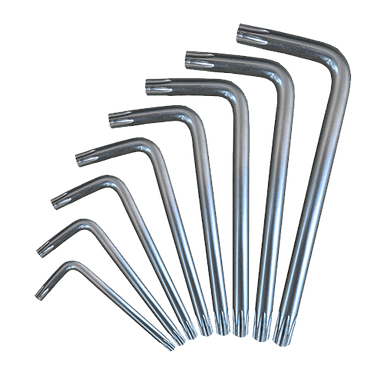
- Triple-square bit set
- Flat-blade trim tool
- Pliers
- Drain pan
- Coolant funnel
- Floor jack (rated 3-ton minimum)
- Jack stands (rated for vehicle weight)
- Wheel chocks
- Safety glasses
- Nitrile gloves
🔩 Required Parts
HowToo sells all the parts you need for this repair:
- Water pump - Qty: 1
- Water pump gasket or seal - Qty: 1
- Coolant flange seals / O-rings - Qty: 1 set
- Volkswagen-approved coolant - Qty: 2-3 gallons mixed as required
- Distilled water - Qty: 2-3 gallons
- New hose clamps - Qty: As needed
📋 Before You Begin
- Park on level ground and let the engine cool completely.
- Set the parking brake and chock the rear wheels.
- Raise the front of the vehicle and support it with jack stands.
- Put a drain pan under the radiator area before opening the cooling system.
- If your Golf uses an electronic coolant bleed function, be ready to run it after refill.
🔨 Step-by-Step Instructions
Follow these steps in order:
Step 1: Drain the coolant
- Use a drain pan under the radiator area.
- Remove the coolant reservoir cap slowly to release pressure.
- Open the radiator drain or remove the lower coolant hose with pliers if needed.
- Let the coolant drain fully into the pan.
Step 2: Remove access components
- Use a Torx T25 screwdriver and Torx T30 screwdriver to remove the lower engine cover and any splash shields.
- If needed for access, remove the air intake ducting with a flat-blade trim tool and metric socket set.
- Keep all fasteners in labeled groups.
Step 3: Remove the accessory belt
- Use the correct socket or wrench on the belt tensioner to relieve belt tension.
- Slip the belt off the pulleys and set it aside.
- Inspect the belt for cracks or glazing. Replace it if worn.
Step 4: Remove water pump connections
- Use pliers to release hose clamps from the water pump and related coolant lines.
- Move the hoses aside carefully and catch any remaining coolant in the drain pan.
- Disconnect any electrical connector or bracket attached to the pump housing if equipped.
Step 5: Remove the water pump
- Use the correct triple-square bit or metric socket set to remove the water pump mounting fasteners.
- Pull the water pump straight off the engine.
- Remove the old gasket or seal and clean the mounting surface carefully.
- Do not scratch the sealing surface.
Step 6: Install the new water pump
- Install the new gasket or seal on the new pump.
- Position the pump on the engine by hand first to avoid cross-threading.
- Install the fasteners finger-tight, then tighten evenly with a torque wrench.
- Torque the water pump bolts to 10 Nm (7 ft-lbs), then follow the service sequence for any additional angle tighten if specified by your pump kit.
Step 7: Reconnect hoses and belt
- Use pliers to reinstall the coolant hoses and clamps.
- Reinstall the accessory belt using the tensioner and route it exactly as removed.
- Check that the belt sits fully in every pulley groove.
Step 8: Reassemble the removed parts
- Reinstall the intake ducting, splash shields, and engine cover using the Torx T25 screwdriver and Torx T30 screwdriver.
- Lower the vehicle back to the ground.
Step 9: Refill and bleed the cooling system
- Mix the Volkswagen-approved coolant with distilled water if your coolant is concentrated.
- Use a coolant funnel to refill the reservoir to the correct level.
- Start the engine and let it idle with the heater set to hot and the blower on low.
- Watch the coolant level and top off as air leaves the system.
- If the vehicle supports an electronic bleed procedure, run it now following the scan tool or service menu instructions.
Step 10: Final torque and leak check
- Inspect the pump, hose connections, and drain area for leaks.
- After the engine reaches operating temperature, shut it off and recheck coolant level after it cools again.
- Torque any loose fasteners to the manufacturer specification if you revisit them during inspection.
✅ After Repair
- Drive the car and watch the temperature gauge closely.
- Check for coolant leaks after the first test drive.
- Recheck the coolant level after the engine cools completely.
- If the heater blows cold or the temp rises, air is still trapped in the system.
💰 DIY vs Shop Cost
Shop Cost: $900-$1,600 (parts + labor)
DIY Cost: $180-$450 (parts only)
You Save: $720-$1,150 by doing it yourself!
Shop labor rates vary but typically run $100-$150/hour. This repair takes a shop approximately 4-7 hours.
🎯 Ready to get started?
HowToo makes it easy: same-day/2-day shipping on every part, plus all the tools and specialty tools you need! Check out the parts and tools sections below to add everything to your cart.