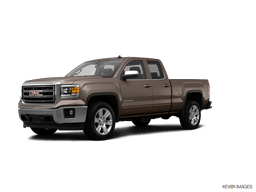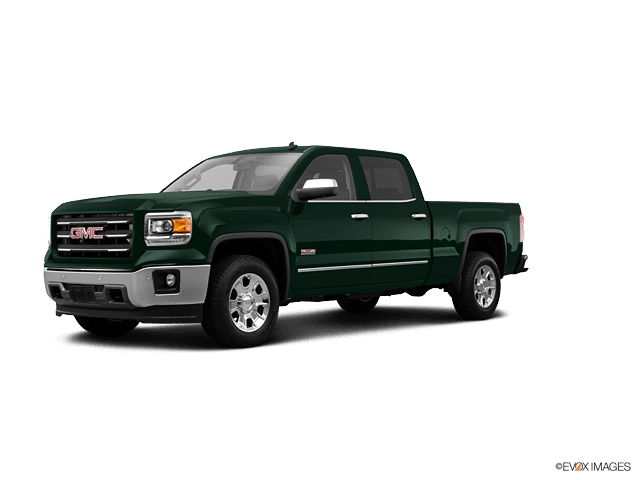









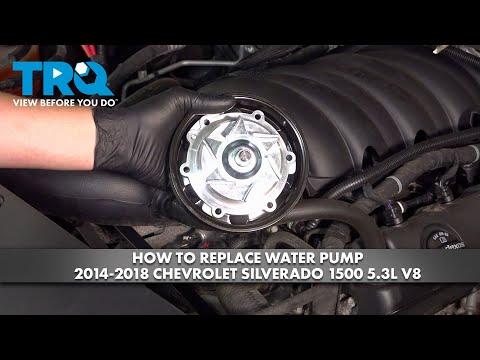







How to Replace the Water Pump on a 2014-2018 GMC Sierra 1500 (DIY Guide) (Engine: V8 6.2L)
Step-by-step instructions with required tools/parts, coolant bleeding tips, and torque specs
How to Replace the Water Pump on a 2014-2018 GMC Sierra 1500 (DIY Guide) (Engine: V8 6.2L)
Step-by-step instructions with required tools/parts, coolant bleeding tips, and torque specs for 2014, 2015, 2016, 2017, 2018


🔧 Sierra 1500 - Water Pump Replacement
The water pump circulates coolant through your engine and radiator. If it’s leaking or the bearing is failing, you can get overheating, coolant loss, and noise—so replacement is important.
Difficulty Level: Intermediate | Estimated Time: 2-4 hours
⚠️ Safety & Precautions
- ⚠️ Never open the coolant cap on a hot engine—wait until fully cool.
- ⚠️ Keep hands/tools clear of the fan area; it can move unexpectedly.
- ⚠️ Coolant is toxic—catch it in a drain pan and clean spills.
- ⚠️ If raising the truck, support with jack stands before going underneath.
- 🔋 Recommended: disconnect the negative battery cable before fan removal.
🔧 Required Tools
You'll need the following tools for this repair:
- Safety glasses
- Nitrile gloves
- Floor jack (rated 3-ton minimum)
- Jack stands (rated 3-ton minimum)
- Wheel chocks
- Drain pan (at least 3 gallons)
- Funnel
- 3/8" drive ratchet
- 1/2" drive torque wrench (10-100 ft-lbs range)
- 8mm socket
- 10mm socket
- 13mm socket
- 15mm socket
- Flat-blade screwdriver
- Hose clamp pliers
- Plastic scraper
- Brake cleaner spray
- Serpentine belt tool (3/8" drive) (specialty)
- 36mm fan clutch wrench (specialty)
- Fan clutch holding tool (specialty)
🔩 Required Parts
HowToo sells all the parts you need for this repair:
- Water pump - Qty: 1
- Water pump gasket/O-ring - Qty: 1
- Engine coolant (Dex-Cool 50/50 premix) - Qty: 2-3 gallons
- Serpentine belt - Qty: 1 Optional if worn/cracked
- Hose clamps - Qty: 2-4 Optional if originals are weak
📋 Before You Begin
- Park on level ground, set the parking brake, and place wheel chocks behind the rear wheels.
- Let the engine cool completely (radiator hose should feel cool).
- Remove the coolant reservoir cap only after it’s cool.
- Disconnect the battery negative cable using a 10mm socket.
🔨 Step-by-Step Instructions
Follow these steps in order:
Step 1: Drain the coolant
- Place a drain pan (at least 3 gallons) under the radiator drain area.
- Slowly remove the coolant reservoir cap by hand.
- Open the radiator drain (petcock). Use hose clamp pliers or a flat-blade screwdriver only if needed (some drains are hand-turn).
Step 2: Remove the intake duct and engine cover
- Loosen the intake duct clamps using an 8mm socket (or flat-blade screwdriver if slotted).
- Remove the intake duct from the throttle body and air box.
- Lift off the engine cover by hand if equipped (it pulls upward).
Step 3: Remove the fan/shroud (you may have 1 of 2 setups)
- If your Sierra 1500 has a mechanical fan clutch:
- Unclip/remove the upper fan shroud fasteners using a 10mm socket.
- Hold the water pump pulley using a fan clutch holding tool (specialty).
- Loosen the fan clutch nut using a 36mm fan clutch wrench (specialty) (typically loosen by turning counterclockwise).
- Lift the fan and shroud out together carefully.
- If your Sierra 1500 has electric fans:
- Unplug the fan electrical connectors by hand (press the lock tab first).
- Remove fan/shroud mounting bolts using a 10mm socket.
- Lift the fan/shroud assembly straight up and out.
Step 4: Remove the serpentine belt
- Use a 15mm socket or serpentine belt tool (3/8" drive) (specialty) on the belt tensioner.
- Rotate the tensioner to relieve tension, then slip the belt off the water pump pulley.
- Tip: Take a quick photo of belt routing.
Step 5: Disconnect hoses from the water pump
- Use hose clamp pliers to compress the spring clamps and slide them back on the hose.
- Twist the hoses gently to break them loose, then pull them off the water pump.
- Have the drain pan ready—more coolant will spill.
Step 6: Remove the water pump
- Remove the water pump bolts using a 10mm socket.
- Support the pump with one hand as the last bolts come out.
- Pull the water pump straight forward and out.
Step 7: Clean the sealing surface
- Use a plastic scraper to remove old gasket material without gouging the metal.
- Spray a little brake cleaner spray on a rag and wipe the surface clean and dry.
Step 8: Install the new water pump
- Install the new gasket/O-ring on the new pump (it should sit flat and not twist).
- Position the pump on the engine and start all bolts by hand first.
- Tighten the bolts evenly using a 10mm socket.
- Final tighten using a torque wrench: Torque to 22 Nm (16 ft-lbs).
Step 9: Reconnect hoses
- Push hoses fully onto their fittings.
- Reposition clamps using hose clamp pliers.
Step 10: Reinstall the serpentine belt
- Route the belt back onto all pulleys.
- Use a 15mm socket or serpentine belt tool (3/8" drive) (specialty) to rotate the tensioner, then slip the belt on.
- Visually confirm the belt is seated in every pulley groove.
Step 11: Reinstall the fan/shroud
- Mechanical fan clutch:
- Carefully lower the fan/shroud in together.
- Thread the fan clutch nut on by hand first to avoid cross-threading.
- Snug the nut using the 36mm fan clutch wrench (specialty) and fan clutch holding tool (specialty).
- Reinstall shroud fasteners using a 10mm socket.
- Electric fans:
- Lower the fan/shroud in place and install bolts using a 10mm socket.
- Reconnect electrical connectors by hand until they click.
Step 12: Reinstall the intake duct and refill coolant
- Reinstall the intake duct and tighten clamps using an 8mm socket.
- Close the radiator drain.
- Fill the coolant reservoir slowly using a funnel with Dex-Cool 50/50 premix to the “FULL COLD” line.
Step 13: Bleed air and verify operation
- Reconnect the battery negative cable using a 10mm socket.
- Start the engine and set the heater to MAX HEAT.
- Let it idle and watch the temperature gauge.
- As the engine warms up, carefully top off coolant as the level drops (keep hands clear of belts/fan).
- Once warm, shut off the engine, let it cool, then recheck and adjust to “FULL COLD.”
✅ After Repair
- Check for leaks around the water pump and hose connections with the engine running.
- Take a short test drive, then recheck coolant level after it cools.
- Listen for belt squeal or grinding—either can indicate misalignment or a pulley issue.
💰 DIY vs Shop Cost
Shop Cost: $700-$1,100 (parts + labor)
DIY Cost: $150-$320 (parts only)
You Save: $380-$950 by doing it yourself!
Shop labor rates vary but typically run $100-$150/hour. This repair takes a shop approximately 2-4 hours.
🎯 Ready to get started?
HowToo makes it easy: same-day/2-day shipping on every part, plus all the tools and specialty tools you need! Check out the parts and tools sections below to add everything to your cart.
Guide for Engine Water Pump replace for these GMC vehicles
| Year Make Model | Sub Model | Engine | Body Style |
|---|---|---|---|
| 2018 GMC Sierra 1500 | - | V6 4.3L | - |
| 2018 GMC Sierra 1500 | - | V8 5.3L | - |
| 2018 GMC Sierra 1500 | - | V8 6.2L | - |
| 2017 GMC Sierra 1500 | - | V6 4.3L | - |
| 2017 GMC Sierra 1500 | - | V8 5.3L | - |
| 2017 GMC Sierra 1500 | - | V8 6.2L | - |
| 2016 GMC Sierra 1500 | - | V6 4.3L | - |
| 2016 GMC Sierra 1500 | - | V8 5.3L | - |
| 2016 GMC Sierra 1500 | - | V8 6.2L | - |
| 2015 GMC Sierra 1500 | - | V6 4.3L | - |
| 2015 GMC Sierra 1500 | - | V8 5.3L | - |
| 2015 GMC Sierra 1500 | - | V8 6.2L | - |
| 2014 GMC Sierra 1500 | - | V6 4.3L | - |
| 2014 GMC Sierra 1500 | - | V8 5.3L | - |
| 2014 GMC Sierra 1500 | - | V8 6.2L | - |