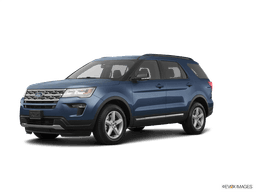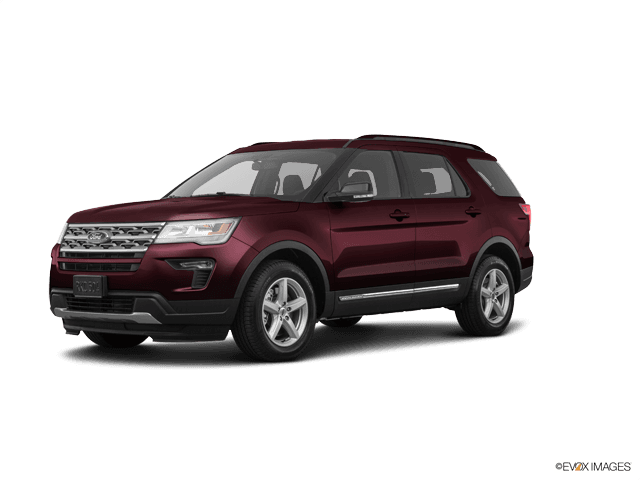









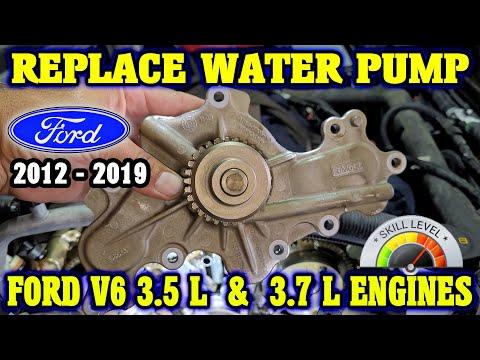






How to Replace the Water Pump on a 2012-2019 Ford Explorer 3.5L V6 (Engine: V6 3.5L)
Step-by-step repair guide with tools, parts, torque specs, and safety tips
How to Replace the Water Pump on a 2012-2019 Ford Explorer 3.5L V6 (Engine: V6 3.5L)
Step-by-step repair guide with tools, parts, torque specs, and safety tips for 2012, 2013, 2014, 2015, 2016, 2017, 2018, 2019


🔧 Water Pump - Replacement
The water pump on your Explorer’s 3.5L V6 is buried behind the timing cover, so this is a major repair. It requires draining coolant, removing front engine accessories, and opening the timing cover area to replace the pump and sealing parts. If you see coolant in the oil or milkshake-like oil, stop driving and repair it right away.
Difficulty Level: Advanced | Estimated Time: 8-12 hours
⚠️ Safety & Precautions
- Let the engine cool completely before opening the cooling system.
- Disconnect the negative battery cable before starting. This prevents accidental cranking.
- The front of the engine must be opened. Keep all dirt out of the timing area.
- Use jack stands on level ground. Never rely on the jack alone.
- Dispose of coolant properly. It is toxic to people and animals.
- If coolant entered the engine oil, change the oil and filter after the repair.
🔧 Required Tools
You'll need the following tools for this repair:
- Metric socket set
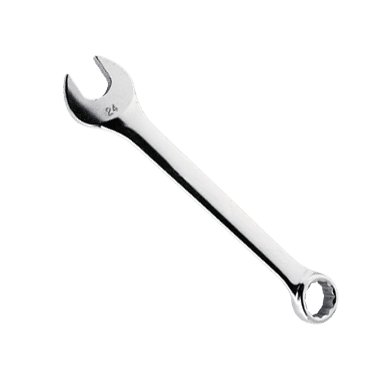
- Metric wrench set
- Ratchet
- Breaker bar
- Torque wrench
- Serpentine belt tool
- Drain pan
- Floor jack (rated 3-ton minimum)
- Jack stands
- Trim tool set
- Screwdriver set
- Harmonic balancer puller (specialty)
- Timing tool set for 3.5L V6 (specialty)
- Plastic scraper
- Funnel
- Safety glasses
- Nitrile gloves
🔩 Required Parts
HowToo sells all the parts you need for this repair:
- Water pump - Qty: 1
- Water pump gasket/seal - Qty: 1
- Timing cover sealant - Qty: 1
- Engine coolant - Qty: 2-3 gallons
- Serpentine belt - Qty: 1
- Crankshaft seal - Qty: 1
- Front cover gasket set - Qty: 1
- Engine oil - Qty: 6 quarts
- Oil filter - Qty: 1
- Coolant hose clamps - Qty: As needed
📋 Before You Begin
- Park on level ground and set the parking brake.
- Let the engine cool fully.
- Disconnect the negative battery cable.
- Drain the coolant into a clean container if you plan to reuse none of it.
- Label bolts and parts as you remove them.
🔨 Step-by-Step Instructions
Follow these steps in order:
Step 1: Drain the cooling system
- Place a drain pan under the radiator drain.
- Use a screwdriver or pliers, depending on the drain style, to open the drain and empty the coolant.
- Remove the coolant reservoir cap after draining starts so flow is faster.
Step 2: Remove the intake and front accessories
- Use the appropriate metric sockets and trim tools to remove the intake ducting, upper engine covers, and any brackets blocking the front of the engine.
- Use a serpentine belt tool to unload the belt tensioner and remove the belt.
- Remove accessory brackets as needed for access.
Step 3: Remove the crank pulley
- Use a breaker bar and the correct socket to loosen the crankshaft pulley bolt.
- Use a harmonic balancer puller to remove the crank pulley if it is tight.
- Torque on reassembly: follow OEM specification for the crankshaft pulley bolt.
Step 4: Set the engine to timing position
- Use the 3.5L timing tool set to lock the crankshaft and camshafts at top dead center.
- Do not rotate the engine once the timing tools are installed.
- Keep the engine locked before removing timing parts.
Step 5: Remove the timing cover
- Use the metric socket set to remove the timing cover bolts in a crisscross pattern.
- Carefully pry the cover loose with a plastic scraper or suitable plastic pry tool.
- Remove the cover without damaging the sealing surfaces.
Step 6: Remove the old water pump
- Use the metric socket set to remove the water pump fasteners.
- Remove the pump and old gasket/seal.
- Inspect the cavity for coolant residue, rust, or bearing debris.
Step 7: Install the new water pump
- Clean the mounting surface with a plastic scraper and brake-cleaner on a rag.
- Install the new gasket/seal with the new water pump.
- Use the torque wrench to tighten the pump fasteners evenly.
- Torque to OEM specification for the water pump bolts.
Step 8: Reinstall the timing cover and front components
- Apply the correct sealant where required on the timing cover.
- Install the timing cover carefully and start all bolts by hand.
- Use the torque wrench to tighten cover bolts in sequence.
- Torque to OEM specification for the timing cover bolts.
- Reinstall the crank pulley and accessories.
- Torque to OEM specification for the crankshaft pulley bolt and accessory bolts.
Step 9: Reinstall the belt, intake, and covers
- Use the serpentine belt tool to reinstall the belt.
- Reinstall the intake ducting, engine covers, and brackets with the proper metric sockets.
- Make sure every clamp and connector is fully seated.
Step 10: Refill and bleed the cooling system
- Use a funnel to refill with the correct coolant mixture.
- Start the engine and let it reach operating temperature with the heater on high.
- Top off coolant as air purges from the system.
- Check for leaks at the pump, timing cover, hoses, and drain.
✅ After Repair
- Check coolant level again after the first heat cycle and top off if needed.
- Inspect for oil leaks and coolant leaks after a short test drive.
- If coolant entered the oil, change the engine oil and filter now.
- Watch the temperature gauge closely for the first few drives.
- Recheck all fasteners after the first drive.
💰 DIY vs Shop Cost
Shop Cost: $1,500-$3,000 (parts + labor)
DIY Cost: $250-$600 (parts only)
You Save: $1,250-$2,400 by doing it yourself!
Shop labor rates vary but typically run $100-$150/hour. This repair takes a shop approximately 8-12 hours.
🎯 Ready to get started?
HowToo makes it easy: same-day/2-day shipping on every part, plus all the tools and specialty tools you need! Check out the parts and tools sections below to add everything to your cart.
Guide for Engine Water Pump replace for these Ford vehicles
| Year Make Model | Sub Model | Engine | Body Style |
|---|---|---|---|
| 2019 Ford Explorer | - | V6 3.5L | - |
| 2018 Ford Explorer | - | V6 3.5L | - |
| 2017 Ford Explorer | - | V6 3.5L | - |
| 2016 Ford Explorer | - | V6 3.5L | - |
| 2015 Ford Explorer | - | V6 3.5L | - |
| 2014 Ford Explorer | - | V6 3.5L | - |
| 2013 Ford Explorer | - | V6 3.5L | - |
| 2012 Ford Explorer | - | V6 3.5L | - |