















How to Replace the Water Pump on a 2012-2014 Honda CR-V 2.4L (Engine: Inline 4 2.4L)
Step-by-step DIY water pump replacement with tools, parts list, torque specs, safety tips, and bleeding procedure
How to Replace the Water Pump on a 2012-2014 Honda CR-V 2.4L (Engine: Inline 4 2.4L)
Step-by-step DIY water pump replacement with tools, parts list, torque specs, safety tips, and bleeding procedure for 2012, 2013, 2014


🔧 CR-V - Water Pump Replacement
You’ll be removing the drive belt, unbolting the water pump from the front of the engine, and installing a new pump with a fresh gasket, then refilling and bleeding the cooling system. On the 2.4L in your CR-V, the water pump is external and driven by the serpentine belt, so you don’t have to touch the timing chain.
Difficulty Level: Intermediate | Estimated Time: 3–4 hours (first time)
⚠️ Safety & Precautions
- ⚠️ Never open the radiator cap on a hot engine. Let the engine cool completely (at least 1–2 hours after driving).
- ⚠️ Coolant is toxic to people and animals. Avoid skin contact and clean spills immediately.
- ⚠️ Support the vehicle securely on jack stands if you raise it. Never work under a car supported only by a jack.
- ⚠️ Keep fingers, clothing, and tools away from the belt area. Make sure the engine cannot start while you are working (key out, start button off).
- ⚠️ Disconnect negative battery cable if you are worried about accidental starts or short circuits.
🔧 Required Tools
You'll need the following tools for this repair:
- Floor jack (rated 3-ton minimum)
- Jack stands (pair, rated 3-ton minimum)
- Wheel chocks
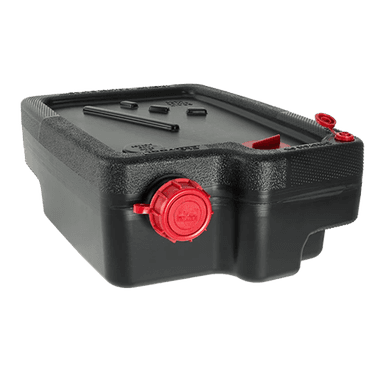
- Drain pan (8+ liter capacity)
- Ratchet 3/8-inch drive
- Ratchet 1/2-inch drive
- 10mm socket
- 12mm socket
- 14mm socket
- 17mm socket
- Short socket extension 3-inch (3/8-inch drive)
- Long socket extension 6-inch (3/8-inch drive)
- Torque wrench 3/8-inch drive (5–60 ft-lb range)
- Torque wrench 1/2-inch drive (20–150 ft-lb range)
- Serpentine belt tool or long 14mm box wrench (specialty)
- Phillips screwdriver #2
- Flathead screwdriver medium
- Needle-nose pliers
- Trim clip removal tool (specialty)
- Plastic scraper
- Small wire brush
- Funnel with long spout
- Coolant spill-free funnel kit (specialty)
- Shop rags
- Safety glasses
- Nitrile gloves
🔩 Required Parts
HowToo sells all the parts you need for this repair:
- Water pump (2.4L K24 engine, with gasket or O-ring) - Qty: 1
- Drive belt (serpentine belt) - Qty: 1
- Honda-type premixed coolant (blue, 50/50) - Qty: 2–3 gallons
- Water pump mounting bolts (optional replacement hardware kit) - Qty: 1 set
- Radiator drain plug washer (if separate from plug) - Qty: 1
- Hose clamp(s) for coolant hoses (if any are rusted or weak) - Qty: as needed
- RTV silicone sealant (coolant-safe, if specified with your pump) - Qty: 1 small tube
- Brake cleaner or parts cleaner spray - Qty: 1 can
- Distilled water - Qty: 1–2 gallons (for rinsing spills, not mixing if using premix)
📋 Before You Begin
- Park the CR-V on level ground, set the parking brake, and place wheel chocks behind the rear wheels.
- Allow the engine to cool completely so the radiator hose is cool to the touch.
- If you want extra safety, disconnect the negative battery cable using a 10mm socket.
- Gather all tools and parts before starting; once the coolant is drained you don’t want to stop halfway.
🔨 Step-by-Step Instructions
Follow these steps in order:
Step 1: Raise and secure the front of the vehicle
- Use the floor jack under the front center jacking point (behind the front bumper) to lift the front of the CR-V.
- Place jack stands under the factory pinch welds or frame points on both sides and lower the vehicle gently onto them using the floor jack.
- Leave the jack lightly touching the lift point as backup support, but not carrying the car’s weight.
- Always confirm vehicle is stable before working.
Step 2: Remove the engine under-cover / splash shield
- Position the drain pan under the radiator area.
- Use the Phillips screwdriver #2 to remove any screws securing the plastic engine under-cover.
- Use the trim clip removal tool or flathead screwdriver to gently pry out the plastic clips.
- Lower the under-cover and set it aside.
Step 3: Drain the coolant
- Place the drain pan under the radiator drain cock (bottom of radiator, usually on the passenger side).
- Use your hand or needle-nose pliers (if needed) to carefully open the plastic drain cock. Turn counterclockwise.
- Slowly open the radiator cap at the top using your hand to let air in so coolant drains faster.
- Allow coolant to drain completely, then close the drain cock finger tight for now. Final torque is 29 Nm (21 ft-lb) if it is a threaded metal plug; if plastic, just snug by hand and do not overtighten.
Step 4: Remove the serpentine (drive) belt
- From above, note the belt routing. If there is no label, take a clear photo.
- Locate the belt tensioner pulley. On the K24 engine, the tensioner is spring-loaded and has a 14mm bolt head on the arm.
- Use the serpentine belt tool or long 14mm box wrench to rotate the tensioner clockwise to relieve tension.
- While holding the tensioner, use your free hand to slip the belt off one of the top pulleys (usually the alternator).
- Slowly release the tensioner back to its rest position with the belt tool or 14mm wrench.
- Remove the belt fully and set it aside. If the belt is old or cracked, replace it with the new one.
Step 5: Access and remove the water pump pulley
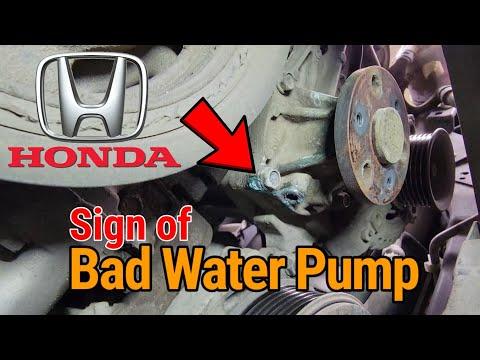
- The water pump is located on the passenger side of the engine, front-facing, with a round pulley and three or four small bolts.
- Use a 12mm socket and 3/8-inch ratchet to remove the water pump pulley bolts.
- If the pulley wants to spin, you can hold it by hand with a glove or lightly wedge a flathead screwdriver between the bolt heads while loosening with the 12mm socket.
- Remove the pulley and set it aside.
Step 6: Remove components blocking pump access (if needed)
- On some CR-Vs, you may need a bit more access by loosening adjacent brackets.
- Use a 10mm socket and ratchet to remove any small brackets or covers that block direct access to the water pump bolts.
- Keep bolts organized so you know where they came from.
- Take phone photos before removing brackets.
Step 7: Remove the old water pump
- Place the drain pan under the water pump area to catch any remaining coolant.
- Use a 10mm socket with 3-inch extension and ratchet to remove the water pump mounting bolts (usually 5–7 bolts around the pump).
- Once all bolts are removed, gently tap the water pump with the plastic handle of the flathead screwdriver to break it loose. Do not pry hard against the aluminum engine.
- Pull the pump straight out. Some coolant will spill; let it drain into the pan.
- Remove and discard the old gasket or O-ring.
Step 8: Clean the sealing surface
- Use the plastic scraper to clean old gasket material from the engine block sealing surface. Avoid scratching the metal.
- Follow up with a small wire brush very gently if needed, but do not gouge the surface.
- Spray a little brake cleaner on a shop rag and wipe the surface clean and dry.
- Surface must be smooth, clean, and dry.
Step 9: Prepare and install the new water pump
- Compare the new pump to the old one to confirm bolt hole locations and shape match.
- Install the new gasket or O-ring onto the pump. If your pump instructions call for a thin layer of RTV silicone sealant, apply a tiny, even bead to the gasket side and let it skin for a few minutes before installing. Many Honda-style pumps use a dry gasket—follow the pump instructions.
- Position the new pump on the engine, lining up the bolt holes.
- Install all water pump bolts finger-tight using a 10mm socket and ratchet.
- Once all are finger-tight, torque each bolt in a crisscross pattern using a torque wrench (3/8-inch drive) with 10mm socket to 12 Nm (8.7 ft-lb).
- Do not overtighten; bolts are small.
Step 10: Reinstall the water pump pulley
- Place the pulley back onto the pump shaft, aligning bolt holes.
- Thread the pulley bolts in by hand.
- Use a 12mm socket and ratchet to snug them evenly.
- Hold the pulley by hand or with a glove and torque the bolts with a torque wrench and 12mm socket to 12 Nm (8.7 ft-lb).
Step 11: Reinstall brackets or covers removed
- Reinstall any brackets or covers you removed using the 10mm socket and ratchet.
- Tighten bolts snugly; typical small bracket torque is about 9–12 Nm (7–9 ft-lb) if you want to use a torque wrench.
Step 12: Install the new serpentine belt
- Route the new belt around the pulleys according to your photo or the under-hood diagram, leaving the easiest top pulley for last.
- Use the serpentine belt tool or long 14mm box wrench to rotate the tensioner clockwise again.
- Slip the belt over the final pulley, then slowly release the tensioner to apply tension.
- Check that the belt sits fully in the grooves on every pulley.
Step 13: Tighten the radiator drain and reinstall under-cover
- From underneath, make sure the radiator drain cock is closed. If it is a metal plug style, use a 17mm socket and 3/8-inch ratchet to tighten to 29 Nm (21 ft-lb). If plastic, snug by hand only.
- Reinstall the plastic under-cover using the Phillips screwdriver #2 and trim clip removal tool (to push clips back in).
Step 14: Refill the cooling system
- Lower the vehicle carefully using the floor jack and remove the jack stands.
- Open the radiator cap and expansion (overflow) tank cap.
- Install the coolant spill-free funnel kit on the radiator neck. This helps bleed air out.
- Pour Honda-type premixed coolant slowly into the funnel until the radiator is full and the funnel has some coolant in it.
- Fill the overflow tank to the “MAX” mark using the funnel.
Step 15: Bleed the cooling system (remove air)
- Start the engine with the funnel still installed and heater set to HOT and blower to LOW so coolant circulates through the heater core.
- Let the engine idle, occasionally gently revving to 1500–2000 RPM to help push out air.
- Watch for air bubbles coming up through the funnel. Keep adding coolant as the level drops so air does not get sucked back in.
- Once the engine reaches normal operating temperature and the radiator fan cycles on and off at least once, and bubbles stop appearing, you’re mostly bled.
- Turn off the engine and let it cool completely. Coolant in the funnel will drop; top off the radiator if needed and then remove the funnel, installing the radiator cap firmly.
- Make sure the overflow tank is between MIN and MAX; top off if necessary.
Step 16: Final checks for leaks and belt alignment
- With the engine running again, check around the water pump and hose connections for any leaks using a flashlight if you have one.
- Look at the belt while the engine runs (stand clear of moving parts). Make sure it tracks straight on all pulleys and does not wander.
- Shut the engine off and recheck coolant and oil (just to confirm no cross-contamination).
✅ After Repair
- On the first short drive, watch the temperature gauge. It should stay in the normal range once warmed up.
- After the engine cools from the first drive, recheck coolant level in the radiator (when cool) and overflow tank, and top off as needed using premixed coolant.
- Inspect under the front of the CR-V and around the water pump area for any fresh coolant drips.
- Over the next few days, monitor for any squealing belt noises or coolant smell; recheck belt routing and hose clamps if something seems off.
💰 DIY vs Shop Cost
Shop Cost: $450–$700 (parts + labor)
DIY Cost: $120–$220 (parts, coolant, sealant)
You Save: $330–$480 by doing it yourself!
Shop labor rates vary but typically run $100–$150/hour. This repair takes a shop approximately 2–3 hours.
🎯 Ready to get started?
HowToo makes it easy: same-day/2-day shipping on every part, plus all the tools and specialty tools you need! Check out the parts and tools sections below to add everything to your cart.
Guide for Engine Water Pump replace for these Honda vehicles
| Year Make Model | Sub Model | Engine | Body Style |
|---|---|---|---|
| 2014 Honda CR-V | - | Inline 4 2.4L | - |
| 2013 Honda CR-V | - | Inline 4 2.4L | - |
| 2012 Honda CR-V | - | Inline 4 2.4L | - |