













How to Replace the Water Pump on a 2011-2023 Ford F-150 (Engine: V8 5.0L)
Step-by-step instructions with tools, parts, torque specs, and cooling system bleed tips
How to Replace the Water Pump on a 2011-2023 Ford F-150 (Engine: V8 5.0L)
Step-by-step instructions with tools, parts, torque specs, and cooling system bleed tips for 2011, 2012, 2013, 2014, 2015, 2016, 2017


🔧 Water Pump - Replacement
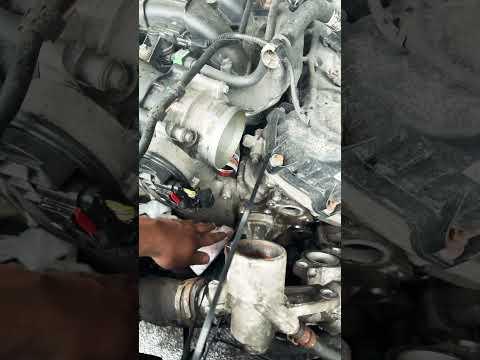
On your F-150, the water pump is belt-driven and sits at the front of the engine. Replacing it means draining coolant, removing the belt and fan/shroud access parts, swapping the pump and gasket, then refilling and bleeding the cooling system.
Difficulty Level: Intermediate | Estimated Time: 3-5 hours
⚠️ Safety & Precautions
- Work only when the engine is completely cold. Hot coolant can cause serious burns.
- Disconnect the negative battery cable before starting. The fan and belt area is tight and easy to bump.
- Keep fingers, tools, and clothing away from the fan and pulleys.
- Use a drain pan and dispose of old coolant properly.
- Do not run the engine with low coolant. Air pockets can overheat the engine fast.
🔧 Required Tools
You'll need the following tools for this repair:
- 8mm socket
- 10mm socket
- 13mm socket
- 15mm wrench
- Ratchet
- Breaker bar
- Torque wrench
- Drain pan
- Funnel
- Scraper
- Pick tool
- Pliers
- Floor jack (rated 3-ton minimum)
- Jack stands
- Safety glasses
- Gloves
🔩 Required Parts
HowToo sells all the parts you need for this repair:
- Water pump - Qty: 1
- Water pump gasket - Qty: 1
- Engine coolant - Qty: 2 gallons
- Thermostat gasket or O-ring - Qty: 1
- Accessory drive belt - Qty: 1
📋 Before You Begin
- Park on level ground and set the parking brake.
- Let the engine cool fully before opening the cooling system.
- Disconnect the negative battery cable.
- Raise the front of the truck only if you need extra access, then support it on jack stands.
- Tip: Take a photo of the belt routing first.
🔨 Step-by-Step Instructions
Follow these steps in order:
Step 1: Drain the coolant
- Place a drain pan under the radiator drain area.
- Open the radiator drain and drain enough coolant to get below the water pump level.
- Close the drain when finished.
Step 2: Remove the engine cover and intake ducting
- Use the appropriate socket and release clips to remove the air intake duct if it blocks access.
- Remove the engine cover if equipped.
- Tip: Keep clips and screws in a tray.
Step 3: Remove the accessory drive belt
- Use a 15mm wrench or breaker bar on the belt tensioner.
- Rotate the tensioner and slip the belt off the pulleys.
- Set the belt aside if you are reusing it, or replace it now if needed.
Step 4: Remove the fan shroud and cooling fan assembly
- Use an 8mm socket or 10mm socket to remove the upper shroud fasteners.
- Lift the shroud enough to create working room.
- If equipped, remove the fan/clutch assembly carefully from the water pump area.
- Tip: The fan assembly is bulky. Move slowly.
Step 5: Remove the water pump pulley
- Use the correct socket and wrench combination to remove the pulley bolts.
- Remove the pulley and set it aside.
Step 6: Remove the water pump
- Use a 10mm socket to remove the water pump bolts.
- Break the pump loose and pull it straight forward.
- Expect a small amount of coolant to spill.
- Remove the old gasket material from the engine surface using a scraper.
- Tip: Do not scratch the sealing surface.
Step 7: Install the new water pump
- Compare the new pump to the old one before installation.
- Install the new gasket on the pump or engine side as designed.
- Position the pump and start all bolts by hand.
- Use a torque wrench to tighten the bolts evenly in a crisscross pattern.
- Torque to factory specification for the water pump bolts.
Step 8: Reinstall the pulley, fan, shroud, and belt
- Install the pulley and tighten the bolts with a torque wrench.
- Torque to factory specification for the pulley bolts.
- Reinstall the fan/shroud assembly.
- Route the belt using the belt routing diagram, then release the tensioner.
- Tip: Double-check every pulley groove.
Step 9: Refill the cooling system
- Use a funnel to refill with the correct coolant mixture.
- Fill slowly to reduce trapped air.
- Reinstall the radiator cap.
Step 10: Bleed air and check for leaks
- Reconnect the battery.
- Start the engine and let it idle with the heater set to hot.
- Watch the coolant level and add coolant as needed.
- Inspect the water pump, hoses, and drain area for leaks.
- Let the engine reach operating temperature and confirm stable coolant flow.
✅ After Repair
- Recheck coolant level after the first heat cycle and again the next day.
- Look for drips under the front of the engine.
- Verify the temperature gauge stays normal on a road test.
- Listen for belt squeal or pulley noise.
💰 DIY vs Shop Cost
Shop Cost: $650-$1,050 (parts + labor)
DIY Cost: $180-$320 (parts only)
You Save: $470-$730 by doing it yourself!
Shop labor rates vary but typically run $100-$150/hour. This repair takes a shop approximately 3-5 hours.
🎯 Ready to get started?
HowToo makes it easy: same-day/2-day shipping on every part, plus all the tools and specialty tools you need! Check out the parts and tools sections below to add everything to your cart.
Guide for Engine Water Pump replace for these Ford vehicles
| Year Make Model | Sub Model | Engine | Body Style |
|---|---|---|---|
| 2023 Ford F-150 | - | V8 5.2L | - |
| 2017 Ford F-150 | - | V8 5.0L | - |
| 2016 Ford F-150 | - | V8 5.0L | - |
| 2015 Ford F-150 | - | V8 5.0L | - |
| 2014 Ford F-150 | - | V8 5.0L | - |
| 2014 Ford F-150 | - | V8 6.2L | - |
| 2013 Ford F-150 | - | V8 5.0L | - |
| 2013 Ford F-150 | - | V8 6.2L | - |
| 2012 Ford F-150 | - | V8 5.0L | - |
| 2012 Ford F-150 | - | V8 6.2L | - |
| 2011 Ford F-150 | - | V8 5.0L | - |
| 2011 Ford F-150 | - | V8 6.2L | - |