









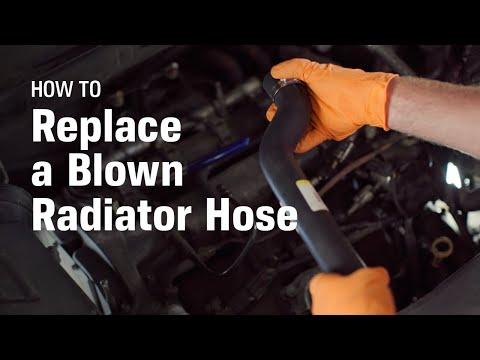






How to Replace the Upper or Lower Radiator Hose on a 2017-2023 GMC Acadia (Engine: V6 3.6L)
Step-by-step cooling system hose removal, clamp install, and coolant refill/bleeding tips
How to Replace the Upper or Lower Radiator Hose on a 2017-2023 GMC Acadia (Engine: V6 3.6L)
Step-by-step cooling system hose removal, clamp install, and coolant refill/bleeding tips for 2017, 2018, 2019, 2020, 2022, 2023


🔧 Acadia - Radiator Hose Replacement
On your Acadia, radiator hoses carry coolant between the radiator and the engine. Replacing a leaking hose is straightforward, but you must work cold and refill/bleed the cooling system correctly to prevent overheating.
Difficulty Level: Intermediate | Estimated Time: 1.0-2.5 hours
⚠️ Safety & Precautions
- ⚠️ Only work on a fully cold engine; hot coolant can cause severe burns.
- ⚠️ Never open the surge tank cap when hot or under pressure.
- ⚠️ Support the vehicle with jack stands if you go underneath; never rely on a jack.
- ⚠️ Keep coolant away from pets and children; it’s toxic and attractive to animals.
- Battery disconnect is not required for this repair.
🔧 Required Tools
You'll need the following tools for this repair:
- Safety glasses
- Nitrile gloves
- Catch pan (at least 3-gallon)
- Floor jack (rated 3-ton minimum)
- Jack stands (rated 3-ton minimum)
- Wheel chocks
- 7mm socket
- 10mm socket
- 1/4" drive ratchet
- 3" extension
- Hose clamp pliers (specialty)
- Channel-lock pliers
- Pick tool
- Trim clip removal tool
- Razor blade scraper
- Spill-free funnel kit (specialty)
- Shop towels
- Flashlight
🔩 Required Parts
HowToo sells all the parts you need for this repair:
- Radiator hose (upper or lower, as needed) - Qty: 1
- Radiator hose clamps - Qty: 2
- DEX-COOL coolant (50/50 premix) - Qty: 1-2 gallons
- Distilled water - Qty: 1 gallon
📋 Before You Begin
- Park on level ground, set the parking brake, and let the engine cool completely.
- Remove the engine cover by pulling straight up (it’s held by push-on grommets).
- Place a catch pan under the front of the vehicle.
- Quick question (pick one): Are you replacing the upper hose (top of radiator) or the lower hose (bottom of radiator)? If you’re not sure, tell me where you see the leak and I’ll direct you.
🔨 Step-by-Step Instructions
Follow these steps in order:
Step 1: Relieve cooling system pressure (cold engine only)
- Place shop towels around the surge tank cap.
- Slowly loosen the cap to the first stop to release any residual pressure, then remove it fully by hand.
Step 2: Create working room (upper area)
- If the air intake duct blocks access, loosen clamps using a 7mm socket and 1/4" drive ratchet, then lift the duct out.
- Take a photo first for reassembly.
Step 3: Drain enough coolant for the hose you’re replacing
- If you’re doing the upper hose, you can often drain less, but expect some coolant loss when the hose comes off.
- If you’re doing the lower hose, plan to drain more coolant.
- If your radiator has a drain cock, open it with channel-lock pliers and drain into the catch pan.
- If there is no drain cock (common), you’ll drain by disconnecting the lower hose in Step 6.
Step 4: Release the hose clamps
- Use hose clamp pliers to squeeze the spring clamp and slide it back on the hose.
- Hose clamp pliers lock the clamp open.
- If your truck has screw-type clamps, loosen them using a 7mm socket.
Step 5: Remove the radiator hose (do not pry on plastic fittings)
- Twist the hose by hand to break it free from the neck.
- If it’s stuck, carefully work the edge with a pick tool to break the seal.
- If the hose is rock-hard and won’t come off, carefully slit it lengthwise with a razor blade scraper and peel it off.
Step 6A: Upper radiator hose path (top hose)
- Remove the hose from the radiator upper neck and the engine-side connection by hand after moving clamps with hose clamp pliers.
- Inspect the radiator neck and engine-side neck for cracks, gouges, or heavy corrosion; wipe clean using shop towels.
Step 6B: Lower radiator hose path (bottom hose)
- Chock rear wheels using wheel chocks, lift the front with a floor jack, and support with jack stands.
- Remove the lower splash shield fasteners using a 10mm socket, 1/4" drive ratchet, and trim clip removal tool.
- Position the catch pan under the lower hose area.
- Release clamps using hose clamp pliers, then twist-and-pull the hose off to drain coolant.
Step 7: Install the new hose and clamps
- Compare the old and new hoses by shape/length before installing.
- Slide the clamps onto the hose first.
- Push the hose fully onto each neck until it bottoms out.
- Reposition spring clamps using hose clamp pliers so they sit behind the bead (raised lip) on the neck.
- If using screw-type clamps, tighten with a 7mm socket until snug; do not crush the plastic neck.
Step 8: Reassemble removed components
- Reinstall the splash shield (if removed) using a 10mm socket and trim clip removal tool.
- Reinstall the air intake duct using a 7mm socket.
- Reinstall the engine cover by aligning grommets and pressing down firmly by hand.
Step 9: Refill and bleed air from the cooling system
- Refill the surge tank with DEX-COOL coolant (50/50 premix) (or mix with distilled water if using concentrate).
- Install a spill-free funnel kit onto the surge tank opening.
- Start the engine and set HVAC to MAX HEAT with the fan on medium.
- Let it idle until the engine warms up and you see flow/level changes; add coolant as needed to keep the level stable in the funnel.
- Once warm, briefly raise RPM to about 1,500 using the accelerator, then let idle again to help purge air.
- Shut off, let it cool fully, then set the surge tank level to the molded COLD mark by hand.
✅ After Repair
- Start the engine and check both hose connections for leaks with a flashlight.
- Watch the temperature gauge on a 10–15 minute test drive; it should stay normal.
- After the vehicle cools completely, recheck the surge tank level and top off to the COLD mark.
- If you smell coolant or see a drip, recheck clamp position and hose seating.
💰 DIY vs Shop Cost
Shop Cost: $250-$450 (parts + labor)
DIY Cost: $40-$120 (parts only)
You Save: $130-$410 by doing it yourself!
Shop labor rates vary but typically run $100-$150/hour. This repair takes a shop approximately 1.0-2.0 hours.
🎯 Ready to get started?
HowToo makes it easy: same-day/2-day shipping on every part, plus all the tools and specialty tools you need! Check out the parts and tools sections below to add everything to your cart.
Guide for Radiator Coolant Hose replace for these GMC vehicles
| Year Make Model | Sub Model | Engine | Body Style |
|---|---|---|---|
| 2023 GMC Acadia | - | V6 3.6L | - |
| 2022 GMC Acadia | - | V6 3.6L | - |
| 2020 GMC Acadia | - | V6 3.6L | - |
| 2019 GMC Acadia | - | V6 3.6L | - |
| 2018 GMC Acadia | - | V6 3.6L | - |
| 2017 GMC Acadia | - | V6 3.6L | - |