









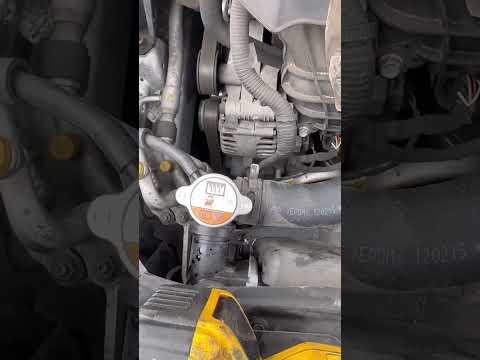







How to Replace the Upper or Lower Radiator Hose on a 2017-2021 Kia Niro (Engine: Inline 4 1.6L)
Step-by-step DIY instructions with tools, parts list, coolant refill/bleed tips, and safety precautions
How to Replace the Upper or Lower Radiator Hose on a 2017-2021 Kia Niro (Engine: Inline 4 1.6L)
Step-by-step DIY instructions with tools, parts list, coolant refill/bleed tips, and safety precautions for 2017, 2018, 2019, 2020, 2021


🔧 Niro - Radiator Hose Replacement
On your Niro, the “radiator hose” could mean the upper hose (top of radiator to engine) or the lower hose (bottom of radiator to engine). The steps are similar, but access and spill amount differ, and your Niro also has a separate hybrid/electric cooling circuit.
Quick check (so I guide you correctly): Is it the upper or lower hose, and is it on the engine radiator (not the hybrid/inverter coolant hoses)?
Difficulty Level: Intermediate | Estimated Time: 1.0-2.5 hours
⚠️ Safety & Precautions
- ⚠️ Never open the cooling system when hot; wait until fully cool.
- ⚠️ Cooling fans can turn on by themselves; keep hands clear of the fan area.
- ⚠️ Your Niro is a plug-in hybrid: do not touch orange high-voltage cables or connectors.
- ⚠️ Use jack stands; never rely on a jack alone.
- ⚠️ Coolant is toxic; keep away from kids/pets and clean spills immediately.
🔧 Required Tools
You'll need the following tools for this repair:
- Safety glasses
- Nitrile gloves
- Floor jack (rated 3-ton minimum)
- Jack stands (rated 3-ton minimum)
- Wheel chocks
- Drain pan (at least 2-gallon)
- Hose clamp pliers (specialty)
- Channel-lock pliers
- Pick tool
- Flat-blade screwdriver
- Phillips screwdriver
- Trim clip remover (specialty)
- 10mm socket
- 12mm socket
- 3/8" ratchet
- 3/8" torque wrench
- Funnel
- Shop rags
- Work light
🔩 Required Parts
HowToo sells all the parts you need for this repair:
- Upper radiator hose - Qty: 1
- Lower radiator hose - Qty: 1
- Radiator hose clamps - Qty: 2
- Hyundai/Kia-approved engine coolant (pre-mixed or concentrate + distilled water, as specified) - Qty: 1-2 gallons
📋 Before You Begin
- Park on level ground, set the parking brake, and let the car cool completely.
- Shut the vehicle OFF and keep the key/fob at least 15 feet away.
- Open the hood and remove the coolant reservoir cap only after it’s cool.
- If you’ll be working near the fan area, disconnect the 12V negative battery terminal using a 10mm socket.
- Hose clamp pliers are made to squeeze spring clamps.
🔨 Step-by-Step Instructions
Follow these steps in order:
Step 1: Raise the front safely (if needed)
- Place wheel chocks behind the rear wheels.
- Lift the front with a floor jack (rated 3-ton minimum) and support with jack stands (rated 3-ton minimum) at the proper lift points.
Step 2: Gain access to the hose
- For the upper hose: remove any intake ducting/engine cover as needed using a 10mm socket and flat-blade screwdriver.
- For the lower hose: remove the lower splash shield/under cover using a 10mm socket and trim clip remover (specialty).
Step 3: Reduce coolant loss
- Position a drain pan (at least 2-gallon) under the radiator hose connection you’re opening.
- If you have them, pinch the hose gently with hose pinch-off pliers (specialty) a few inches back from the connection.
- Use shop rags around the joint to catch spills.
Step 4: Remove the clamp(s)
- If it’s a spring clamp: squeeze and slide it back using hose clamp pliers (specialty) (or channel-lock pliers).
- If it’s a worm-gear clamp: loosen it using a flat-blade screwdriver.
Step 5: Remove the old hose
- Twist the hose to break it free, then pull it off.
- If it’s stuck, carefully work the edge loose with a pick tool (do not gouge the radiator/pipe).
- Let coolant drain into the drain pan.
Step 6: Prep the fittings
- Wipe the radiator neck and engine/pipe neck clean using shop rags.
- Check the necks for cracks, heavy corrosion, or sharp edges that could cut the new hose.
Step 7: Install the new hose and clamps
- Slide the clamp onto the new hose first.
- Push the hose fully onto the radiator/engine neck until it bottoms out.
- Reposition the clamp in the same spot as factory (behind the bead on the neck) using hose clamp pliers (specialty) or a flat-blade screwdriver.
- Don’t clamp on the very edge.
Step 8: Reinstall covers and shields
- Reinstall the under cover using a 10mm socket and trim clip remover (specialty).
- If you disconnected the 12V battery, reconnect it using a 10mm socket.
- If any bolts were removed for shields/covers, tighten with a 3/8" torque wrench to the spec on the fastener/repair manual.
Step 9: Refill coolant
- Refill the coolant reservoir slowly using a funnel with Hyundai/Kia-approved engine coolant.
- Add coolant to the MAX mark (engine cold).
Step 10: Bleed air and check for leaks
- Start the vehicle and set HVAC temperature to HOT and fan to a medium speed.
- Let it run and watch the hose connections with a work light for seepage.
- As the engine warms and coolant level drops, top up using a funnel.
- Shut it off, let it cool, and recheck the level at the reservoir.
✅ After Repair
- Road test 10–15 minutes, then park and re-check for leaks using a work light.
- After a full cool-down, re-check coolant level and top off to the cold MAX line.
- If you get overheating, no cabin heat, or gurgling, there may be trapped air and the system may need a proper bleed/vacuum fill.
- Dispose of old coolant properly (don’t dump it).
💰 DIY vs Shop Cost
Shop Cost: $250-$500 (parts + labor)
DIY Cost: $40-$160 (parts only)
You Save: $90-$460 by doing it yourself!
Shop labor rates vary but typically run $100-$150/hour. This repair takes a shop approximately 1.0-2.5 hours.
🎯 Ready to get started?
HowToo makes it easy: same-day/2-day shipping on every part, plus all the tools and specialty tools you need! Check out the parts and tools sections below to add everything to your cart.