









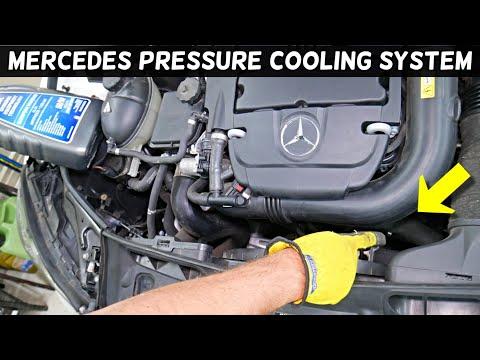







How to Replace the Upper & Lower Radiator Hose on a 2016-2020 Mercedes-Benz GLC300 (Engine: Inline 4 2.0L)
Step-by-step coolant drain/refill and air-bleeding tips, required tools/parts, and key torque specs
How to Replace the Upper & Lower Radiator Hose on a 2016-2020 Mercedes-Benz GLC300 (Engine: Inline 4 2.0L)
Step-by-step coolant drain/refill and air-bleeding tips, required tools/parts, and key torque specs for 2016, 2017, 2018, 2019, 2020


🔧 GLC - Radiator Hose Replacement
Replacing a radiator hose stops coolant leaks and prevents overheating. On your GLC, the job is mostly access, safely draining/containing coolant, swapping the hose and clamps, then refilling and bleeding air out of the cooling system.
Difficulty Level: Intermediate | Estimated Time: 1.0-2.0 hours
Assumption: You mean the main upper or lower radiator hose (steps include both).
⚠️ Safety & Precautions
- ⚠️ Never open the coolant tank when hot; wait until fully cool.
- ⚠️ Coolant is toxic—use a drain pan and clean spills immediately.
- ⚠️ Support the GLC with jack stands; never rely on a jack alone.
- ⚠️ Keep hands clear of the electric cooling fan; it can turn on unexpectedly.
- ⚠️ Battery disconnect is not required for this job, but keep the key away from the vehicle to reduce the chance of the fan cycling.
🔧 Required Tools
You'll need the following tools for this repair:
- Safety glasses
- Nitrile gloves
- Floor jack (rated 3-ton minimum)
- Jack stands (rated 3-ton minimum)
- Wheel chocks
- Drain pan (at least 10 quarts)
- Trim clip removal tool
- 10mm socket
- Torx T25 bit
- Torx T30 bit
- Ratchet (3/8" drive)
- 3" extension (3/8" drive)
- Hose clamp pliers (specialty)
- Pick tool (small hook)
- Flathead screwdriver (medium)
- Slip-joint pliers
- Funnel
- Coolant vacuum fill tool (specialty)
- Work light
🔩 Required Parts
HowToo sells all the parts you need for this repair:
- Upper radiator hose - Qty: 1
- Lower radiator hose - Qty: 1
- Radiator hose clamps - Qty: 2-4
- Mercedes-Benz approved coolant concentrate (MB 325.0/325.6) - Qty: 1-2 gallons (as needed)
- Distilled water - Qty: 1-2 gallons (for 50/50 mix if not pre-mixed)
- Coolant drain plug sealing washer (if equipped) - Qty: 1
📋 Before You Begin
- Park on level ground, set the parking brake, and chock the rear wheels.
- Let the engine cool completely (radiator hoses should feel cool to the touch).
- Set HVAC to MAX HEAT later during bleeding to help move air through the heater core.
- Place a drain pan under the front of the engine area before loosening any hose.
🔨 Step-by-Step Instructions
Follow these steps in order:
Step 1: Remove the engine cover and gain access up top
- Pull the engine cover straight upward to release the rubber grommets (no tools).
- Use a work light to locate the upper radiator hose (typically routed from the radiator upper outlet to the engine/thermostat housing).
Step 2: Raise the front and remove the lower splash shield
- Use wheel chocks, then lift the front with a floor jack (rated 3-ton minimum) and set it on jack stands (rated 3-ton minimum).
- Remove the lower engine splash shield/undertray using a 10mm socket and Torx T25 bit/Torx T30 bit on a ratchet (3/8" drive) with a 3" extension (3/8" drive).
- If plastic clips are present, remove them with a trim clip removal tool.
- Reinstall later: Torque undertray fasteners to 8 Nm (6 ft-lbs).
Step 3: Relieve pressure and drain enough coolant
- Slowly loosen the coolant expansion tank cap to the first stop by hand to relieve any residual pressure, then remove it fully.
- Position a drain pan (at least 10 quarts) under the radiator/lower hose area.
- If your radiator has a drain, open it carefully (use a flathead screwdriver (medium) only if needed).
- If there is no drain or access is tight, you can drain by loosening the lower radiator hose at the radiator end (next step), but be ready for a fast flow.
Step 4: Remove the hose clamps
- If you have spring-style clamps, squeeze and slide them back using hose clamp pliers (specialty) (these pliers lock the clamp open so your hands stay safe).
- If you have screw-style clamps, loosen them with a flathead screwdriver (medium).
- Use a work light so you can confirm the clamp is fully off the hose barb (the raised lip).
Step 5: Break the hose free without damaging the fitting
- Twist the hose back and forth by hand to break the seal.
- If it’s stuck, slide a pick tool (small hook) gently under the hose edge to let air in, then twist again.
- Avoid prying hard on plastic radiator/thermostat outlets; they can crack.
- Once loose, pull the hose off and let coolant drain into the drain pan (at least 10 quarts).
Step 6: Compare parts and prep the new hose
- Match the new hose to the old hose (same bends, same end shapes, same length).
- Install new clamps onto the new hose before fitting it on the car (use hose clamp pliers (specialty) or your hands depending on clamp type).
- Tip: A tiny coolant film helps sliding.
Step 7: Install the new radiator hose
- Push the hose fully onto the fitting until it bottoms out past the barb.
- Position the clamp behind the barb (on the hose’s clamping zone), then secure it:
- For spring clamps: release using hose clamp pliers (specialty) so it clamps evenly.
- For screw clamps: tighten with a flathead screwdriver (medium) to Torque to 3.5 Nm (31 in-lbs).
- Repeat for the other end of the hose.
Step 8: Refill coolant (best method) and bleed air
- Best method: use a coolant vacuum fill tool (specialty) to pull vacuum and refill without air pockets.
- If filling normally: use a funnel and add the correct Mercedes-Benz approved coolant concentrate (MB 325.0/325.6) mixed 50/50 with distilled water (unless you bought pre-mix).
- Fill to the tank’s MAX line (when cold).
- Start the engine and let it idle with the cap on loosely for the first minute, then snug it.
- Set HVAC to heat high and fan medium to help purge air.
- Watch temperature and listen for gurgling; top off as needed after the thermostat opens and the level stabilizes.
Step 9: Reinstall the undertray and lower the vehicle
- Reinstall the splash shield using a 10mm socket and Torx T25 bit/Torx T30 bit on a ratchet (3/8" drive).
- Torque undertray fasteners to 8 Nm (6 ft-lbs).
- Lower the vehicle using the floor jack (rated 3-ton minimum).
✅ After Repair
- With the engine running, inspect both ends of the hose for seepage (use a work light).
- Bring the engine up to operating temperature, then shut it off and let it fully cool.
- Recheck coolant level when cold and top off to the MAX line using the correct Mercedes-Benz approved coolant (MB 325.0/325.6).
- Test drive 10-15 minutes, then recheck for leaks and recheck level again after cool-down.
- If you see a coolant warning or overheating, stop and recheck for trapped air or leaks.
💰 DIY vs Shop Cost
Shop Cost: $250-$600 (parts + labor)
DIY Cost: $40-$180 (parts only)
You Save: $210-$420 by doing it yourself!
Shop labor rates vary but typically run $100-$150/hour. This repair takes a shop approximately 1.0-2.0 hours.
🎯 Ready to get started?
HowToo makes it easy: same-day/2-day shipping on every part, plus all the tools and specialty tools you need! Check out the parts and tools sections below to add everything to your cart.