









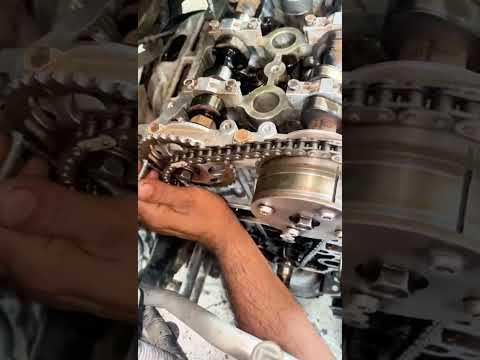




How to Replace the Timing Chain on a 2016 Toyota Land Cruiser
Step-by-step timing chain service with tools, parts, torque specs, and safety tips for 2008, 2009, 2010, 2011, 2013, 2014, 2015, 2016, 2017, 2018, 2019, 2020
How to Replace the Timing Chain on a 2016 Toyota Land Cruiser
Step-by-step timing chain service with tools, parts, torque specs, and safety tips for 2008, 2009, 2010, 2011, 2013, 2014, 2015, 2016, 2017, 2018, 2019, 2020


🔧 Timing Drive - Inspection / Timing Chain Service
Your Land Cruiser does not use a timing belt. It uses a timing chain, which is designed to last the life of the engine under normal conditions. If you’re hearing chain rattle, have cam/crank correlation codes, or internal engine noise, the repair is a major engine timing job, not a routine belt swap.
Difficulty Level: Advanced | Estimated Time: 12-18 hours
⚠️ Safety & Precautions
- Disconnect the negative battery cable before starting.
- Allow the engine to cool completely before working near the front cover.
- This repair requires extensive engine disassembly.
- Use jack stands if you raise the vehicle.
- Keep track of timing marks carefully to avoid engine damage.
🔧 Required Tools
You'll need the following tools for this repair:
- Metric socket set
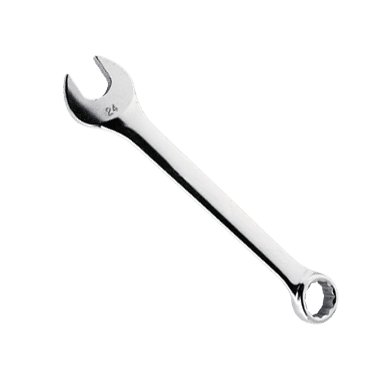
- Metric wrench set
- Torque wrench
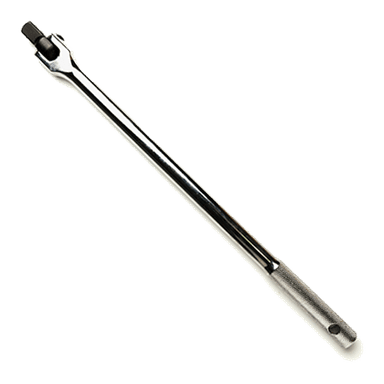
- Breaker bar
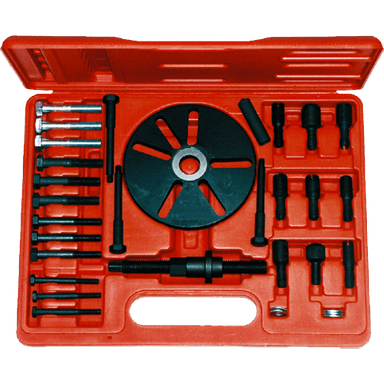
- Harmonic balancer puller (specialty)
- Timing cover seal scraper
- Plastic trim tools
- Drain pan
- Floor jack (rated 3-ton minimum)
- Jack stands
- Safety glasses
- Nitrile gloves
🔩 Required Parts
HowToo sells all the parts you need for this repair:
- Timing chain set - Qty: 1
- Timing chain tensioner - Qty: 1
- Timing chain guides - Qty: 1 set
- Front crankshaft seal - Qty: 1
- Timing cover gasket/sealant - Qty: 1
- Valve cover gaskets - Qty: 1 set
- Engine oil - Qty: 8 quarts
- Engine coolant - Qty: 2 gallons
📋 Before You Begin
- Park on level ground and set the parking brake.
- Disconnect the negative battery cable.
- Drain the engine oil and coolant before disassembly.
- Label connectors and hoses as you remove them.
- Take photos of timing marks before removal.
🔨 Step-by-Step Instructions
Follow these steps in order:
Step 1: Drain fluids and remove front accessories
- Use a drain pan to drain the engine oil and coolant.
- Use the metric socket set and wrench set to remove the air intake ducting, accessory drive belt, alternator connections, and related brackets blocking the front cover.
- Keep fasteners organized by component.
Step 2: Remove crankshaft pulley
- Use a breaker bar and metric socket set to remove the crankshaft pulley bolt.
- Use the harmonic balancer puller (specialty) to remove the pulley from the crankshaft.
- Torque on reassembly: Torque to OEM specification
Step 3: Remove valve covers and front timing cover
- Use the metric socket set to remove the valve covers.
- Use a plastic trim tool and seal scraper to carefully separate the front timing cover from the engine.
- Do not pry against sealing surfaces.
Step 4: Set engine to top dead center
- Rotate the engine by hand with a breaker bar until cylinder 1 is at top dead center on the compression stroke.
- Align all timing marks on the crankshaft and camshaft sprockets.
- Double-check every mark before disassembly.
Step 5: Remove timing components
- Use the metric socket set to remove the timing chain tensioner, guides, and chain.
- Remove the camshaft sprockets only if required by the service procedure.
- Inspect the chain, guides, and tensioner for wear or damage.
Step 6: Install new timing components
- Use the timing chain set to install the new chain with all marks aligned exactly as specified.
- Install new guides and tensioner.
- Torque to OEM specification for all timing fasteners.
Step 7: Seal and reassemble
- Use timing cover sealant/gasket and a torque wrench to reinstall the front cover.
- Install a new crankshaft seal and valve cover gaskets.
- Reinstall the crankshaft pulley and all removed accessories.
Step 8: Refill fluids and verify timing
- Refill engine oil and coolant.
- Reconnect the battery.
- Start the engine and check for leaks, abnormal noise, and warning lights.
- If a scan tool is available, check for cam/crank correlation codes.
✅ After Repair
- Run the engine to operating temperature and recheck fluid levels.
- Listen for chain rattle at cold start and idle.
- Inspect the front cover, valve covers, and crank seal for leaks.
- Clear any stored diagnostic codes if present.
💰 DIY vs Shop Cost
Shop Cost: $2,500-$5,000 (parts + labor)
DIY Cost: $450-$1,200 (parts only)
You Save: $2,050-$3,800 by doing it yourself!
Shop labor rates vary but typically run $100-$150/hour. This repair takes a shop approximately 12-18 hours.
🎯 Ready to get started?
HowToo makes it easy: same-day/2-day shipping on every part, plus all the tools and specialty tools you need! Check out the parts and tools sections below to add everything to your cart.