















How to Replace the Timing Chain on a 2014-2016 Volkswagen GTI (Trim: S | Engine: Inline 4 2.0L)
Step-by-step timing chain guide with tools, parts, torque specs, and safety tips
How to Replace the Timing Chain on a 2014-2016 Volkswagen GTI (Trim: S | Engine: Inline 4 2.0L)
Step-by-step timing chain guide with tools, parts, torque specs, and safety tips for 2014


🔧 Timing Drive - Timing Belt Not Applicable
Your GTI does not use a timing belt. It uses a timing chain, which is a different setup and is not a routine replacement item like a belt. If you’re hearing chain noise, seeing cam/crank correlation faults, or dealing with a high-mileage timing issue, the correct repair is timing chain diagnosis or replacement.
Difficulty Level: Advanced | Estimated Time: 8-14 hours
⚠️ Safety & Precautions
- Engine work should be done only with the ignition off and the key removed.
- Allow the engine to cool fully before working near the exhaust and coolant plumbing.
- Battery disconnect is recommended before major timing service.
- Use proper engine support if mounts are removed.
- Do not rotate the engine unless the timing components are correctly locked and marked.
🔧 Required Tools
You'll need the following tools for this repair:
- Metric socket set
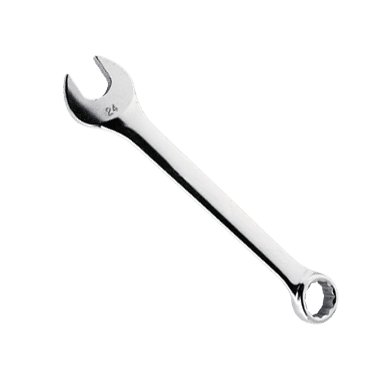
- Metric wrench set
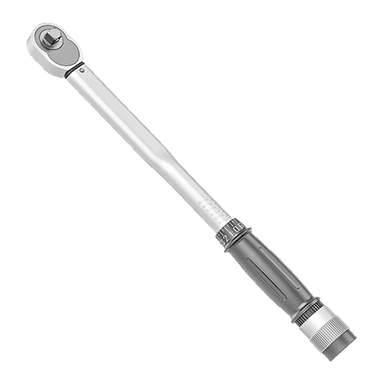
- Torque wrench
- Breaker bar
- Engine support bar
- Floor jack (rated 3-ton minimum)
- Jack stands
- Safety glasses
- Nitrile gloves
- Timing chain locking tool set (specialty)
- Torx bit set
- Triple-square bit set
- Drain pan
- Coolant funnel
🔩 Required Parts
HowToo sells all the parts you need for this repair:
- Timing chain kit - Qty: 1
- Timing chain tensioner - Qty: 1
- Timing chain guides - Qty: 1 set
- Camshaft adjuster bolts - Qty: 1 set
- Crankshaft bolt - Qty: 1
- Valve cover gasket - Qty: 1
- Front crankshaft seal - Qty: 1
- Engine oil - Qty: 5 quarts
- Oil filter - Qty: 1
- Coolant - Qty: 1 refill
📋 Before You Begin
- Park on level ground and set the parking brake.
- Disconnect the negative battery terminal before starting.
- Drain engine oil and coolant as needed for access.
- Use an engine support bar if the right-side mount is removed.
- Have the timing lock tools ready before opening the timing cover area.
🔨 Step-by-Step Instructions
Follow these steps in order:
Step 1: Remove access components
- Use the metric socket set and Torx bit set to remove the engine cover, intake ducting, and related front accessories blocking access.
- Label connectors and fasteners as you go.
- Keep bolts grouped by component.
Step 2: Support the engine
- Use the engine support bar to hold the engine in position before removing the mount on the timing side.
- Do not let the engine hang from hoses or wiring.
Step 3: Remove the mount and covers
- Use the metric socket set, Torx bit set, and triple-square bit set to remove the mount hardware and timing cover fasteners.
- Remove the upper and lower timing covers carefully.
Step 4: Set engine to timing position
- Use a breaker bar on the crankshaft bolt to rotate the engine by hand to top dead center.
- Install the timing chain locking tool set (specialty) to lock the cam and crank positions.
- Torque note: No final torque yet; this is a setup step only.
Step 5: Remove the old timing components
- Use the metric socket set to release the tensioner and remove the timing chain.
- Remove the guides and inspect the sprockets for wear or damage.
- Do not rotate the engine once unlocked.
Step 6: Install the new chain kit
- Use the timing chain locking tool set (specialty) to keep everything aligned.
- Install the new guides, chain, and tensioner in the correct sequence.
- Replace all one-time-use bolts.
- Torque to manufacturer specification for each fastener in the kit.
Step 7: Verify timing alignment
- Use the breaker bar to rotate the engine by hand two full revolutions.
- Recheck all timing marks and locking positions.
- If anything is off, disassemble and correct it before moving on.
Step 8: Reassemble the engine
- Use the torque wrench, metric socket set, and triple-square bit set to reinstall the covers, mount, intake parts, and accessories.
- Install the new valve cover gasket and front crankshaft seal if removed.
- Torque to manufacturer specification for all mount and cover bolts.
Step 9: Refill fluids and start-up check
- Use the drain pan and coolant funnel to refill engine oil and coolant.
- Reconnect the battery.
- Start the engine and listen for abnormal chain noise.
✅ After Repair
- Check for oil or coolant leaks around the timing cover and seals.
- Verify smooth idle and no warning lights.
- Scan for engine fault codes and clear them if the repair was successful.
- Recheck fluid levels after the first heat cycle.
💰 DIY vs Shop Cost
Shop Cost: $1,800-$4,000 (parts + labor)
DIY Cost: $500-$1,200 (parts only)
You Save: $1,300-$2,800 by doing it yourself!
Shop labor rates vary but typically run $100-$150/hour. This repair takes a shop approximately 8-14 hours.
🎯 Ready to get started?
HowToo makes it easy: same-day/2-day shipping on every part, plus all the tools and specialty tools you need! Check out the parts and tools sections below to add everything to your cart.