









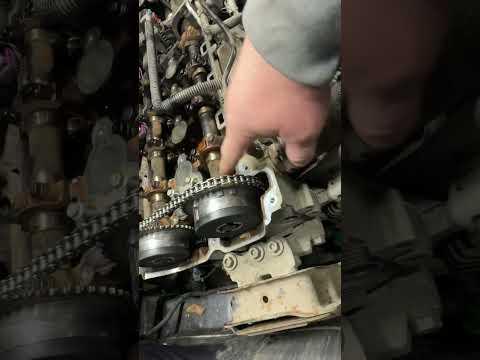




How to Replace the Timing Chain on a 2011-2016 Chevy Equinox 2.4L (Engine: Inline 4 2.4L)
Step-by-step DIY guide with tools, parts list, torque specs, safety tips, and timing belt vs timing chain clarification
How to Replace the Timing Chain on a 2011-2016 Chevy Equinox 2.4L (Engine: Inline 4 2.4L)
Step-by-step DIY guide with tools, parts list, torque specs, safety tips, and timing belt vs timing chain clarification for 2011, 2012, 2013, 2014, 2015, 2016


🔧 Equinox - Timing Belt vs Timing Chain
Your Equinox does not have a timing belt. It uses a timing chain, which is inside the engine and is normally not a routine maintenance item like a belt. If a shop or friend told you to “change the timing belt,” they likely meant something else (like the serpentine belt) or they used the wrong term.
Difficulty Level: Advanced (if timing chain replacement) | Estimated Time: 6–10+ hours
⚠️ Safety & Precautions
- ⚠️ A timing chain job on your Equinox requires major engine disassembly; it is not recommended for a first-time DIYer.
- ⚠️ Incorrect timing chain work can cause piston-to-valve contact and destroy the engine.
- ⚠️ Requires accurate camshaft and crankshaft timing using factory timing tools and a repair manual procedure.
- ⚠️ Battery must be disconnected whenever working near the starter or main engine harness.
- ⚠️ Vehicle must be safely supported if you raise it: always use jack stands, never just a jack.
🔧 Required Tools
You'll need the following tools for this repair (timing chain replacement):
- 🛠️ Metric socket set (8mm–21mm)
- 🛠️ Metric combination wrench set (8mm–21mm)
- 🛠️ 1/4" drive ratchet
- 🛠️ 3/8" drive ratchet
- 🛠️ 1/2" drive ratchet
- 🛠️ 3/8" drive torque wrench (5–80 ft-lbs range)
- 🛠️ 1/2" drive torque wrench (30–150 ft-lbs range)
- 🛠️ Breaker bar 1/2" drive
- 🛠️ Torx bit set (T20–T50)
- 🛠️ E-torx socket set (E6–E14)
- 🛠️ Flathead screwdriver (medium)
- 🛠️ Phillips screwdriver #2
- 🛠️ Pry bar 12"
- 🛠️ Hose clamp pliers
- 🛠️ Plastic trim removal tools
- 🛠️ Harmonic balancer puller (specialty)
- 🛠️ Engine support bar (specialty)
- 🛠️ Floor jack (rated 3-ton minimum)
- 🛠️ Jack stands (3-ton, Qty: 2)
- 🛠️ Oil drain pan 10L
- 🛠️ Funnel (medium)
- 🛠️ Razor scraper
- 🛠️ Plastic gasket scraper
- 🛠️ Shop rags
- 🛠️ White paint marker
- 🛠️ Chevrolet 2.4L timing alignment tool kit (specialty)
- 🛠️ Safety glasses
- 🛠️ Mechanic gloves
🔩 Required Parts
HowToo sells all the parts you need for this repair:
- 🔩 Timing chain kit (chain, guides, tensioner, sprockets) - Qty: 1
- 🔩 Timing cover gasket set - Qty: 1
- 🔩 Crankshaft front seal - Qty: 1
- 🔩 Valve cover gasket - Qty: 1
- 🔩 Camshaft phaser bolts (single-use) - Qty: 4
- 🔩 Crankshaft pulley bolt (single-use) - Qty: 1
- 🔩 Engine oil (5W-30 synthetic) - Qty: 5 quarts
- 🔩 Engine oil filter - Qty: 1
- 🔩 Coolant (Dex-Cool compatible premix) - Qty: 2–3 gallons
- 🔩 RTV silicone sealant (engine-safe) - Qty: 1 tube
- 🔩 Accessory/serpentine belt - Qty: 1 (recommended while open)
- 🔩 Engine mount bolts (if specified single-use) - Qty: as needed
📋 Before You Begin
- 🧰 Park the Equinox on level ground, engage the parking brake, and place the transmission in Park.
- 🧰 Allow the engine to cool fully; hot coolant and oil can burn you.
- 🧰 Disconnect the negative battery cable using a 10mm socket to prevent accidental shorts.
- 🧰 A “timing chain replacement” on this engine is usually only done if you have symptoms such as rattling at startup, timing codes, or low compression; it is not standard mileage maintenance.
- 🧰 Have the full factory procedure or a professional repair manual open; follow torque and angle specs exactly.
🔨 Step-by-Step Instructions
Follow these steps in order:
Because you’re a beginner, read this whole section before attempting.
Step 1: Confirm What You Actually Need
- Use this step to decide if you really need timing chain work or if you meant the serpentine (accessory) belt, which drives the alternator, A/C, and power steering.
- With the engine off, open the hood and look at the visible rubber belt on the front of the engine. That is the serpentine belt, not the timing chain.
- The timing chain is hidden behind a metal cover and runs in engine oil; it cannot be seen without major disassembly.
- If you only intended to replace the visible belt, say so and I’ll give you an easier guide.
Step 2: Safely Raise and Support the Vehicle
- Use a floor jack (3-ton) to lift the front of the Equinox at the front subframe jacking point.
- Place jack stands (3-ton) under the designated frame or pinch-weld points on both sides.
- Lower the vehicle gently onto the stands using the floor jack.
- Always shake the vehicle slightly to confirm stability before going underneath.
Step 3: Remove Engine Covers and Components for Access
- Remove the plastic engine cover by pulling up firmly; no tools usually required.
- Use a flathead screwdriver to loosen intake duct clamps, then remove the air intake duct.
- Use a 10mm socket to disconnect any brackets or small covers blocking access to the timing cover area.
- Remove the right front wheel using a 21mm socket and breaker bar for extra leverage.
- Remove the inner splash shield using a Torx bit set or 10mm socket depending on fasteners.
Step 4: Remove the Serpentine Belt
- Use a 3/8" drive ratchet in the belt tensioner square drive to rotate the tensioner and relieve belt tension.
- Slide the belt off the pulleys and remove it; take a picture of the routing first.
Step 5: Support Engine and Remove Right Engine Mount
- Install an engine support bar (specialty) across the fender tops and attach to the engine lift point with the supplied hooks.
- Tension the support bar slightly so it carries some engine weight.
- Use a 15mm and 18mm socket to remove the right engine mount bolts.
- Carefully remove the mount; keep track of bolt locations.
- Torque on reassembly: engine mount bracket-to-body bolts typically around 70 Nm (52 ft-lbs), and mount-to-engine bolts around 60 Nm (44 ft-lbs) plus angle; verify in manual.
Step 6: Drain Engine Oil and Coolant
- Place an oil drain pan 10L under the oil pan drain plug.
- Use a 15mm socket to remove the oil drain plug; drain fully, then reinstall plug hand tight for now.
- Move the drain pan under the radiator drain; open the drain tap or remove the lower radiator hose using hose clamp pliers.
- Torque oil drain plug on final assembly: about 25 Nm (18 ft-lbs).
Step 7: Remove Valve Cover
- Disconnect ignition coil connectors by pressing tabs, using a flathead screwdriver gently if needed.
- Use a 10mm socket to remove ignition coil bolts and lift coils out.
- Remove any hoses or wiring looms clipped to the valve cover using plastic trim tools.
- Use a 10mm socket to remove all valve cover bolts, then gently pry the cover up with a plastic gasket scraper if stuck.
- Torque on reassembly: valve cover bolts about 10 Nm (89 in-lbs).
Step 8: Remove Crankshaft Pulley (Harmonic Balancer)
- At the front lower part of the engine, locate the crankshaft pulley.
- Use a 21mm socket and breaker bar 1/2" to remove the crankshaft bolt (this will be tight).
- Install a harmonic balancer puller (specialty) and follow its instructions to pull the pulley off the crankshaft.
- Torque on reassembly: crank bolt is torque-plus-angle; typically around 95 Nm (70 ft-lbs) + 75°; verify in manual.
Step 9: Remove Timing Cover
- Use a 10mm and 13mm socket to remove all bolts around the timing cover perimeter (front of engine).
- Note bolt locations and lengths; lay them out in a pattern on your workbench.
- Gently pry the timing cover loose using a plastic gasket scraper or pry bar without damaging the aluminum surfaces.
- Remove the cover and old gasket material with a razor scraper, finishing with a plastic scraper to avoid gouging.
Step 10: Set Engine to Correct Timing Position
- Rotate the crankshaft using a 21mm socket on the crank bolt (temporarily reinstalled) until timing marks line up per manual.
- Install the Chevrolet 2.4L timing alignment tool kit (specialty) on the camshafts and crankshaft as directed.
- Use a white paint marker to add your own alignment marks on the chain and sprockets as a backup reference.
Step 11: Remove Old Timing Chain, Guides, and Tensioner
- Use an E-torx socket set to remove bolts securing the chain guides and tensioner.
- Carefully remove the tensioner and guides.
- Lift the old chain off the cam and crank sprockets.
Step 12: Install New Timing Chain Kit
- Install the new crank and cam sprockets (if included) using E-torx sockets or standard metric sockets as required.
- Fit the new chain over the crank and cam sprockets, aligning colored links to timing marks per the kit instructions.
- Install new guides and tensioner using the E-torx sockets.
- Torque cam phaser bolts: typically around 25 Nm (18 ft-lbs) + 115°; confirm with manual.
- Torque tensioner and guide bolts: about 10–12 Nm (89–106 in-lbs).
Step 13: Verify Timing and Rotate Engine by Hand
- Remove the timing holding tools, then reinstall the crank bolt finger-tight with a 21mm socket.
- Turn the engine clockwise by hand two full turns using a breaker bar.
- Realign to timing marks and confirm everything lines up correctly; if not, correct it now.
Step 14: Reinstall Timing Cover with New Gaskets and Seal
- Lightly coat the new crankshaft front seal with clean engine oil and install into the timing cover using gentle taps with a soft mallet or a suitable driver.
- Apply a thin bead of RTV silicone sealant at specified joint corners (per manual) on the engine block.
- Position the new timing cover gasket and install the cover.
- Use a 10mm and 13mm socket to install all timing cover bolts.
- Torque: small bolts around 10 Nm (89 in-lbs), larger bolts around 25 Nm (18 ft-lbs), verify with manual.
Step 15: Reassemble Crank Pulley, Engine Mount, and Valve Cover
- Install the crank pulley using a harmonic balancer installer tool if available or carefully with the original bolt.
- Apply correct torque and angle to the crank bolt using a 1/2" drive torque wrench.
- Clean valve cover and head mating surfaces with a plastic scraper and brake-safe cleaner.
- Fit the new valve cover gasket, then reinstall cover with a 10mm socket and torque to 10 Nm (89 in-lbs).
- Reinstall ignition coils and connectors with a 10mm socket.
- Reinstall engine mount using the 15mm and 18mm sockets and torque per earlier spec.
Step 16: Refit Serpentine Belt and Lower Vehicle
- Route the new serpentine belt according to your routing photo.
- Use a 3/8" drive ratchet in the tensioner to relieve tension and slip the belt on.
- Reinstall the inner splash shield with a 10mm socket or Torx bit, then the wheel with a 21mm socket.
- Lower the vehicle off the jack stands using the floor jack.
- Torque wheel lug nuts: about 140 Nm (103 ft-lbs).
Step 17: Refill Fluids and Reconnect Battery
- Remove the oil drain plug again with a 15mm socket, install a new washer if needed, then torque to 25 Nm (18 ft-lbs).
- Refill the engine with 5W-30 synthetic oil using a funnel.
- Install a new oil filter by hand, tightening 3/4 turn after gasket contact.
- Refill the cooling system with Dex-Cool compatible coolant mixed per instructions.
- Reconnect the negative battery cable using a 10mm socket.
✅ After Repair
- ✅ Before starting, crank the engine with the fuel pump relay/fuse removed (if accessible) for a few seconds to build oil pressure.
- ✅ Reinstall any removed fuse/relay and start the engine; listen for abnormal noises like rattles or knocking.
- ✅ Let the engine reach operating temperature while checking for oil and coolant leaks around the timing cover and hoses.
- ✅ Bleed the cooling system by letting the engine run with the heater on hot until the upper radiator hose is hot and air is purged.
- ✅ Clear any stored fault codes with a scan tool if present, then test drive gently and recheck fluid levels afterwards.
💰 DIY vs Shop Cost
Shop Cost: $1200–$2200 (parts + labor)
DIY Cost: $300–$700 (parts only, if you already own tools)
You Save: $900–$1500 by doing it yourself!
Shop labor rates vary but typically run $100–$150/hour. This repair takes a shop approximately 6–10 hours.
🎯 Ready to get started?
HowToo makes it easy: same-day/2-day shipping on every part, plus all the tools and specialty tools you need! Check out the parts and tools sections above to add everything to your cart.
One quick question for you: Did you actually mean the timing chain inside the engine, or were you trying to replace the visible serpentine belt? If it’s the belt, I recommend we do that instead—it’s a much easier beginner job and I can give you a simpler, safer guide.
Guide for Engine Timing Chain Kit replace for these Chevrolet vehicles
| Year Make Model | Sub Model | Engine | Body Style |
|---|---|---|---|
| 2016 Chevrolet Equinox | - | Inline 4 2.4L | - |
| 2015 Chevrolet Equinox | - | Inline 4 2.4L | - |
| 2014 Chevrolet Equinox | - | Inline 4 2.4L | - |
| 2013 Chevrolet Equinox | - | Inline 4 2.4L | - |
| 2012 Chevrolet Equinox | - | Inline 4 2.4L | - |
| 2011 Chevrolet Equinox | - | Inline 4 2.4L | - |