














How to Replace the Thermostat on a 2021 Chevrolet Silverado 1500 5.3L
Step-by-step Silverado 1500 thermostat replacement with tools, parts list, torque specs, coolant refill, and safety tips for 2007, 2008, 2009, 2010, 2011, 2012, 2013
How to Replace the Thermostat on a 2021 Chevrolet Silverado 1500 5.3L
Step-by-step Silverado 1500 thermostat replacement with tools, parts list, torque specs, coolant refill, and safety tips for 2007, 2008, 2009, 2010, 2011, 2012, 2013


Silverado 1500 - Thermostat Replacement 🔧
Got it—you want to replace the thermostat on your 2021 5.3L in your High Country. I’ll walk you through it step by step.
Quick check first:
- ✅ Are you replacing the main engine thermostat (overheating / running cold), not the cabin heater or transmission thermostat?
If yes, follow the guide below. If your symptoms are different (like no cabin heat only), tell me before you start.
Overview 🧊
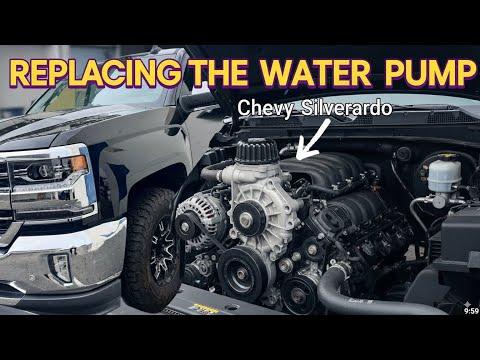
Your 5.3L uses a thermostat integrated into the water pump housing at the front of the engine. You’ll be removing the upper radiator hose and the thermostat housing on the water pump to swap the thermostat.
Parts & Specs 📦
- 📌 New thermostat assembly (for 5.3L L84, 2021, with integrated seal)
- Comes with a rubber seal/O-ring—no separate gasket needed.
- 📌 Dex-Cool coolant (orange GM coolant), premixed 50/50 or concentrate + distilled water
- 📌 Optional: New upper radiator hose clamp(s) if originals are weak
Key torque specs:
- 📌 Thermostat housing bolts: 89 in-lb (10 N·m)
- 📌 Radiator cap: hand-tight only
Tools Needed 🛠️
- 🧰 Socket set (metric)
- Common sizes: 10 mm for thermostat housing bolts
- 🧰 Ratchet and short extension (3/8" drive is fine)
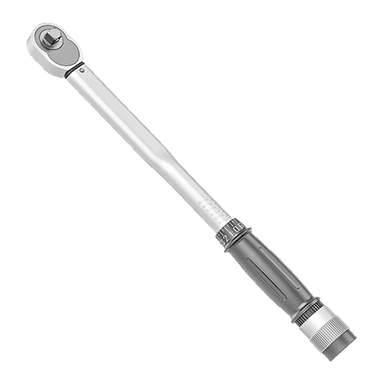
- 🧰 Torque wrench (inch-pound or low-range Nm) A torque wrench is a tool that lets you tighten bolts to a specific force.
- 🧰 Pliers for hose clamps Regular slip-joint pliers work; hose clamp pliers make it easier.
- 🧰 Drain pan (to catch coolant)
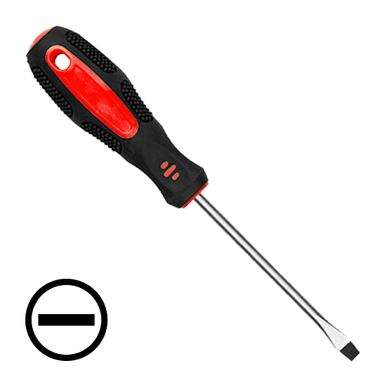
- 🧰 Flat-blade screwdriver (to help gently pry hoses if stuck)
- 🧰 Shop towels / rags
- 🧰 Funnel (for refilling coolant)
- 🧰 Safety gear: gloves and safety glasses
Safety First ⚠️
- ⚠️ Never open the coolant system on a hot engine. Let the engine cool completely (at least 1–2 hours after driving).
- ⚠️ Coolant is toxic to people and animals. Keep it off the ground and away from pets.
- ⚠️ Disconnect the negative battery cable if you’re likely to bump the fan or wiring.
Locate the Thermostat 📍
- 📌 Open the hood.
- 📌 Find the upper radiator hose (large hose at the top of the radiator on the passenger side).
- 📌 Follow that hose back toward the engine—it connects to the thermostat housing on the front of the engine’s water pump (front passenger side of the engine).
Step 1 – Relieve Pressure & Drain Some Coolant 💧
- 🧊 Make sure the engine is cold.
- 🧊 Slowly loosen the coolant reservoir cap (on the plastic tank) to release any leftover pressure, then remove it.
- 🧊 Place a drain pan under the front of the truck, below the radiator / lower hose area.
- 🧊 You can:
- Either open the radiator drain petcock (small valve at bottom of radiator) and drain 1–2 gallons, or
- Loosen the lower radiator hose clamp and crack the hose just enough to drain 1–2 gallons.
- 🧊 Close the drain or re-seat the hose once you’ve drained enough.
Step 2 – Remove Upper Radiator Hose From Thermostat Housing 🧵
- 🔧 Use pliers to squeeze the spring clamp on the upper radiator hose where it meets the thermostat housing.
- 🔧 Slide the clamp back along the hose a few centimeters.
- 🔧 Twist the hose gently to break it loose. If it’s stuck:
- Use a flat-blade screwdriver to gently work around the edge, do not stab into the hose.
- 🔧 Pull the hose off the thermostat housing and move it aside.
Step 3 – Remove Thermostat Housing 🧱
- 🔩 Locate the thermostat housing bolts (usually 2 small bolts holding the housing to the water pump).
- 🔩 Use a 10 mm socket and ratchet to remove the bolts.
- 🔩 Carefully pull the housing straight off. Some coolant may spill—keep the drain pan under it.
- 🔩 Note how the thermostat is oriented (spring side toward engine).
Step 4 – Remove Old Thermostat 🧊
- 🧰 Pull the old thermostat out of the housing or water pump bore.
- 🧰 Remove the old O-ring / seal if it’s separate.
- 🧰 Clean the sealing surfaces on the housing and water pump with a clean rag. Do not use sandpaper or a scraper that can gouge the aluminum.
Step 5 – Install New Thermostat ✅
- 📌 Make sure the new thermostat has its O-ring / seal properly seated in the groove.
- 📌 Install the thermostat in the same orientation as the old one:
- Spring side toward the engine.
- 📌 Position the thermostat housing back over the thermostat.
- 📌 Install the housing bolts by hand first to avoid cross-threading.
- 📌 Tighten bolts evenly with the ratchet, then torque to 89 in-lb (10 N·m) with the torque wrench.
Step 6 – Reattach Upper Radiator Hose 🧩
- 🔧 Slide the hose back onto the thermostat housing until it’s fully seated.
- 🔧 Move the clamp back into its original position over the hose barb.
- 🔧 Make sure the hose is not twisted and is routed like before.
Step 7 – Refill Coolant & Bleed Air 🌡️
- 🧊 Make sure the drain is closed and all hoses are tight.
- 🧊 Using a funnel, fill the coolant reservoir with the correct Dex-Cool mix up to the COLD mark.
- 🧊 On this truck, air usually purges through the reservoir, but to help:
- Leave the reservoir cap off.
- Start the engine and let it idle.
- Turn the cabin heater to MAX heat and fan on medium.
- 🧊 Watch the coolant level in the reservoir:
- As the engine warms up, the thermostat will open and the level may drop.
- Add coolant as needed to keep it at or slightly above the COLD mark.
- 🧊 Once the upper radiator hose is warm and you have steady heat from the vents, install the reservoir cap.
Step 8 – Check for Leaks & Final Checks 👀
- 🔍 With the engine running, inspect:
- Around the thermostat housing
- Upper radiator hose connection
- Under the truck for drips
- 🔍 Shut the engine off and let it cool completely.
- 🔍 Recheck coolant level in the reservoir and top off to the COLD mark if needed.
Infotainment / Cluster Checks 📱
- 📊 On your driver info screen, you can view engine coolant temperature:
- Use the steering wheel buttons to cycle to the Info pages.
- Select the Coolant Temp display and confirm it stabilizes around normal operating temp (typically ~195–220°F / 90–105°C) once warmed up.
When You’re Done ✅
- 🧾 Dispose of old coolant properly (local shop or recycling center).
- 🧾 Keep an eye on the temperature gauge and the ground under the truck for the next few drives.
If you tell me:
- 🔹 Whether you have a torque wrench
- 🔹 Whether you plan to reuse the coolant or replace it all
…I can fine-tune this with extra tips for your exact setup.
HowToo makes it easy: below this answer you’ll see recommended thermostats, coolant, and tools for your job. You can add them to your cart right from the parts section for fast shipping. 🚚