














How to Replace the Thermostat on a 2020 Ram 1500 Classic 5.7L Hemi
Step-by-step DIY thermostat replacement with tools, parts, torque specs, coolant tips, and safety guidance for 2019, 2020, 2021, 2022
How to Replace the Thermostat on a 2020 Ram 1500 Classic 5.7L Hemi
Step-by-step DIY thermostat replacement with tools, parts, torque specs, coolant tips, and safety guidance for 2019, 2020, 2021, 2022


1500 Classic - Thermostat Replacement 🔧
Got it—you want to replace the thermostat on your 5.7L Hemi in your 1500 Classic. I’ll walk you through it step by step.
Quick check first: Are you doing this because of an overheating / running too cold issue or a specific trouble code (like P0128)? This helps confirm it’s the right repair.
Safety & Prep ⚠️
- ⚠️ Engine cool only: Never open the cooling system on a hot engine. Let it sit at least 1–2 hours after driving.
- ⚠️ Coolant is toxic: Keep away from kids, pets, and skin. Clean spills right away.
- ⚠️ Battery safety: You don’t have to disconnect the battery, but keep tools away from the battery terminals.
Parts You’ll Need 📦
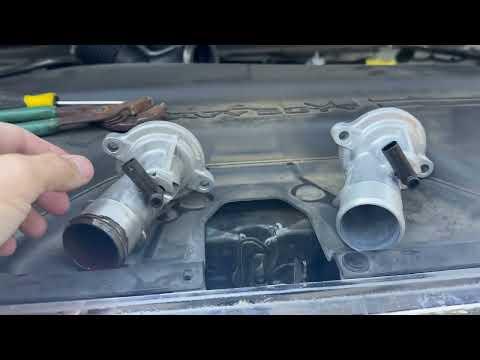
- 🧊 Thermostat assembly with housing (5.7L Hemi uses a bolt-on housing at the front of the engine)
- 🧊 New thermostat gasket / O-ring (often comes pre-installed on the new housing)
- 🧊 HOAT or OAT coolant as specified by Ram (usually Mopar 50/50 premix, check your coolant reservoir cap or owner’s manual)
Tools You’ll Need 🛠️
- 🛠️ Socket set (metric):
- 10 mm and/or 13 mm sockets for thermostat housing bolts (Ram typically uses 10 mm here)
- Ratchet and short extension
- 🛠️ Torque wrench (click-type; used to tighten bolts to a specific value)
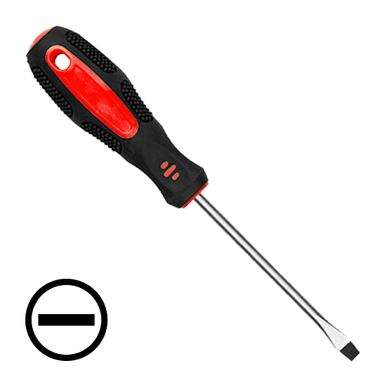
- 🛠️ Flat-blade screwdriver or hose clamp pliers (pliers designed to squeeze spring-type hose clamps)
- 🛠️ Drain pan (to catch coolant)
- 🛠️ Shop rags / paper towels
- 🛠️ Plastic scraper (for old gasket material if needed; never use a sharp metal scraper on aluminum)
- 🛠️ Funnel (for refilling coolant)
- 🛠️ Optional: Pliers for stubborn hoses, pick tool (small hooked tool) to help remove O-rings if stuck
Where the Thermostat Is Located 📍
- 🧩 On the 5.7L Hemi, the thermostat is in the lower radiator hose outlet housing at the front of the engine.
- 🧩 Follow the lower radiator hose from the radiator to the engine—where it bolts to the front of the engine block is your thermostat housing.
Key Torque Specs 🔩
- 🔧 Thermostat housing bolts: ~105 in-lbs (12 N·m) (do not overtighten; these go into aluminum)
- 🔧 Radiator drain plug (if used): snug by hand, typically around 20–25 in-lbs (plastic—do not crank on it)
Step 1 – Drain Some Coolant 💧
- 🧰 Place a drain pan under the front of the truck, below the radiator and lower hose area.
- 🧰 Remove the coolant reservoir cap to relieve any residual pressure (only if engine is cool).
- 🧰 You have two options:
- Use radiator drain (petcock): On the bottom of the radiator, usually on the passenger side. Turn it slowly counterclockwise and let 1–2 liters drain.
- Or loosen lower radiator hose: Use pliers or screwdriver to loosen the clamp at the radiator, slide the hose off slightly, and let coolant drain into the pan.
- 🧰 Once a couple of liters have drained, close the drain or push the hose back on and snug the clamp. You don’t need to empty the whole system for a thermostat swap.
Step 2 – Access the Thermostat Housing 🔎
- 🧰 Follow the lower radiator hose to where it meets the engine front cover.
- 🧰 You’ll see a cast aluminum housing held on with 2 (sometimes 3) bolts.
- 🧰 If anything is in the way (plastic shields, intake duct), remove it:
- Loosen hose clamps on the air intake tube with a screwdriver.
- Unclip any plastic covers carefully.
Step 3 – Remove the Lower Hose from the Housing 🧵
- 🧰 Use pliers or a screwdriver to loosen the hose clamp at the thermostat housing.
- 🧰 Twist the hose gently to break it free, then pull it off the housing. Some coolant will spill—keep the drain pan under it.
- 🧰 Inspect the hose:
- If it’s cracked, swollen, or very soft, plan to replace it.
Step 4 – Remove the Thermostat Housing 🪛
- 🧰 Use your 10 mm socket and ratchet to remove the housing bolts.
- 🧰 Keep track of bolt length and position if they’re different.
- 🧰 Gently pull the housing away from the engine. If it’s stuck:
- Tap lightly with the handle of a screwdriver or a rubber mallet.
- Do not pry hard with a metal tool on the sealing surface.
- 🧰 The thermostat will either come out with the housing or stay in the engine.
Step 5 – Remove Old Thermostat & Clean Surfaces 🧼
- 🧰 Pull the old thermostat straight out.
- 🧰 Note its orientation (which side faces the engine). The new one must match.
- 🧰 Remove the old gasket/O-ring from the housing or engine groove.
- 🧰 Use a plastic scraper to clean any old gasket material from the mating surfaces.
- Do not gouge the aluminum.
- Wipe clean with a rag until smooth and dry.
Step 6 – Install New Thermostat 🆕
- 🧰 If your new thermostat is separate from the housing:
- Place the new thermostat into the engine recess in the same orientation as the old one.
- Make sure the jiggle pin / bleed hole (small hole in the thermostat flange, if present) is at the top (12 o’clock) to help air escape.
- Install the new O-ring/gasket in its groove, seated evenly.
- 🧰 If your new part is a complete housing with thermostat pre-installed:
- Verify the O-ring is in place and not twisted.
Step 7 – Reinstall Thermostat Housing 🔩
- 🧰 Position the housing against the engine, lining up the bolt holes.
- 🧰 Start all bolts by hand to avoid cross-threading.
- 🧰 Snug them evenly with the ratchet, alternating between bolts so the housing pulls down flat.
- 🧰 Use your torque wrench to tighten each bolt to about 105 in-lbs (12 N·m).
- Inch-pounds, not foot-pounds. 105 in-lbs = 8.75 ft-lbs.
Step 8 – Reattach Lower Radiator Hose 🧵
- 🧰 Slide the hose fully onto the thermostat housing neck.
- 🧰 Position the clamp behind the raised bead on the neck.
- 🧰 Tighten the clamp securely, but don’t crush the hose.
Step 9 – Refill Coolant & Bleed Air 🫗
- 🧰 Make sure the radiator drain (if used) is closed and hoses are on.
- 🧰 Using a funnel, fill the coolant reservoir with the correct premixed coolant until it reaches the “FULL COLD” mark.
- 🧰 On many Rams, the system self-bleeds, but this helps:
- Set the cabin heater to HOT and fan to LOW.
- Start the engine and let it idle.
- Watch the coolant level in the reservoir and add as needed.
- As the engine warms up, the thermostat will open and the level may drop—top it up to the mark.
- 🧰 Let the engine reach normal operating temperature:
- Upper radiator hose should get hot once the thermostat opens.
- Check for heat from the cabin vents.
Step 10 – Check for Leaks & Final Top-Off 👀
- 🧰 With the engine running, inspect:
- Around the thermostat housing
- Lower radiator hose connection
- Radiator drain plug
- 🧰 Shut the engine off and let it cool completely (at least a few hours).
- 🧰 Recheck coolant level in the reservoir when cold and top off to “FULL COLD” if needed.
Common Beginner Tips & Mistakes 💡
- 💡 Don’t overtighten bolts: The housing bolts go into aluminum—too much force can strip the threads.
- 💡 Use the right coolant: Mixing the wrong type can cause sludge and heater core issues.
- 💡 Watch the temp gauge: After the repair, keep an eye on the gauge for the next few drives. It should warm up to normal and stay steady.
Want Parts & Tools? 🛒
I’ll show you the correct thermostat assembly, gasket, coolant, and any tools you might be missing in the HowToo parts section below. You can add what you need to your cart directly from there.
If you tell me: (1) whether you have a torque wrench, and (2) if you’re seeing any specific codes like P0128, I can fine-tune these steps and add quick checks to confirm the fix.
HowToo makes it easy: same-day/2-day shipping on every part, plus all the tools and specialty tools you need! 🚚