









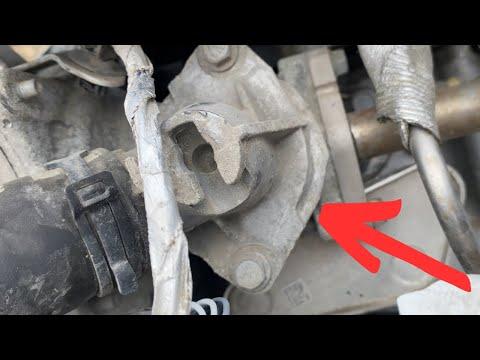






How to Replace the Thermostat on a 2020 Chevrolet Equinox 1.5L
Step-by-step DIY thermostat and housing replacement with tools, parts list, torque specs, coolant refill, and safety tips
How to Replace the Thermostat on a 2020 Chevrolet Equinox 1.5L
Step-by-step DIY thermostat and housing replacement with tools, parts list, torque specs, coolant refill, and safety tips


🔧 Equinox - Thermostat Replacement
You’ll be replacing the thermostat and its housing on your Equinox to fix issues like overheating, running too cool, or temperature-related fault codes. This involves draining some coolant, removing hoses and fasteners, and swapping the housing assembly.
Difficulty Level: Intermediate | Estimated Time: 2-3 hours
⚠️ Safety & Precautions
- ⚠️ Only work on the cooling system with the engine completely cool; hot coolant can cause severe burns.
- ⚠️ Wear safety glasses and gloves; coolant is toxic and irritating to skin and eyes.
- ⚠️ Keep coolant away from children and animals; it is highly poisonous and has a sweet taste.
- ⚠️ Support the front of the vehicle with jack stands; never rely on a floor jack alone.
- ⚠️ Avoid spilling coolant on the drive belt or electrical connectors to prevent slipping and corrosion.
- ⚠️ Disconnect the negative battery cable if you might bump the starter wiring or alternator while working.
🔧 Required Tools
You'll need the following tools for this repair:
- 🛠️ Floor jack (rated 3-ton minimum)
- 🛠️ Jack stands (rated 3-ton minimum, Qty: 2)
- 🛠️ Wheel chocks
- 🛠️ Ratchet handle 3/8"
- 🛠️ Ratchet handle 1/4"
- 🛠️ Socket set metric (8mm–15mm)
- 🛠️ Deep 10mm socket
- 🛠️ Torx T25 screwdriver
- 🛠️ Torx T30 bit
- 🛠️ Torque wrench 1/4" drive (20–200 in-lbs range)
- 🛠️ Torque wrench 3/8" drive (10–80 ft-lbs range)
- 🛠️ Pliers (regular slip-joint)
- 🛠️ Hose clamp pliers (specialty)
- 🛠️ Flat-blade screwdriver medium
- 🛠️ Trim clip removal tool (specialty)
- 🛠️ Drain pan (at least 10 liters)
- 🛠️ Small funnel
- 🛠️ Shop towels or rags
- 🛠️ Plastic scraper
- 🛠️ Flashlight or work light
- 🛠️ Safety glasses
- 🛠️ Mechanic gloves
🔩 Required Parts
HowToo sells all the parts you need for this repair:
- 🔩 Thermostat housing assembly with thermostat and seal (1.5L) - Qty: 1
- 🔩 Engine coolant (Dex-Cool compatible, premixed 50/50) - Qty: 2–3 gallons
- 🔩 Lower radiator hose clamps (if original are damaged) - Qty: 2
- 🔩 Throttle body gasket (if removed during access) - Qty: 1
- 🔩 Plastic push clips for splash shield (assorted GM style) - Qty: 4–6
- 🔩 Shop towels or absorbent pads - Qty: 1 pack
📋 Before You Begin
- Park the Equinox on level ground, shift to Park, and set the parking brake.
- Let the engine cool completely; it should be cold to the touch.
- Turn off all electrical loads and remove the key from the vehicle.
- If you want extra safety, disconnect the negative battery cable using a 10mm socket and move it aside.
- Place wheel chocks behind the rear tires before lifting the front.
🔨 Step-by-Step Instructions
Follow these steps in order:
Step 1: Lift and secure the front of the vehicle
- Position the floor jack (3-ton) under the front center jacking point (behind the front bumper crossmember).
- Lift until both front wheels are off the ground.
- Place jack stands under the designated pinch welds or frame points on each side.
- Lower the vehicle gently onto the jack stands and keep the jack as a backup if possible.
- Shake the vehicle slightly to confirm it is stable.
Step 2: Remove the lower splash shield
- Place the drain pan under the front of the engine area.
- Use a Torx T25 screwdriver to remove the Torx screws holding the front lower splash shield.
- Use a trim clip removal tool to pop out any plastic push clips.
- Lower the splash shield and set it aside.
Step 3: Drain coolant from the system
- Locate the lower radiator hose connection at the radiator.
- Place the drain pan directly under the lower hose joint.
- Use hose clamp pliers or regular pliers to compress the spring clamp and slide it back along the hose.
- Gently twist the hose loose by hand and pull it off to drain coolant into the pan.
- Allow coolant to drain until flow slows to a drip, then temporarily push the hose back onto the radiator outlet to minimize drips.
- Save old coolant in containers for proper disposal.
Step 4: Remove air intake duct for access (top side)
- Open the hood and support it with the prop rod.
- Locate the air intake duct between the air filter box and the turbo/throttle area.
- Use an 8mm socket or flat-blade screwdriver to loosen the hose clamps.
- Disconnect any attached small hoses or electrical connectors by hand, noting their positions.
- Lift the duct out and set it aside.
Step 5: Locate the thermostat housing
- From the top and front of the engine bay, look down near the transmission side of the engine block.
- The thermostat housing is a plastic or aluminum assembly where the lower radiator hose attaches to the engine.
- Use a flashlight to clearly see the housing and attached hoses.
Step 6: Remove hoses from the thermostat housing
- Place the drain pan under the thermostat housing area to catch remaining coolant.
- Use hose clamp pliers to compress the clamp on the lower radiator hose at the thermostat housing and slide the clamp back.
- Gently twist and pull the hose off by hand. Use a flat-blade screwdriver very carefully to break the seal if stuck, but do not gouge the plastic.
- Remove any smaller heater or bypass hoses attached to the housing in the same way.
- Mark hose positions with tape if you’re unsure.
Step 7: Disconnect electrical connectors and brackets
- The thermostat housing may have a temperature sensor or harness bracket.
- Press the lock tabs and unplug any electrical connectors by hand.
- Use a 10mm socket or Torx T30 bit on a ratchet to remove any small bolts holding wire brackets or guides to the housing.
Step 8: Remove the thermostat housing bolts
- Use a 10mm socket with a 1/4" ratchet to remove the housing mounting bolts from the engine block.
- There are usually 3–4 bolts; note their length and locations.
- Once bolts are removed, gently pull the housing away from the engine. Some coolant will spill; keep the drain pan in place.
- Torque on installation will be 10 Nm (89 in-lbs), so do not overtighten later.
Step 9: Clean the sealing surface
- Use a plastic scraper and shop towels to clean the engine block sealing surface where the housing was mounted.
- Remove old gasket residue and any debris without scratching the metal.
- Wipe the area with a clean, dry towel until smooth and clean.
- Do not use sandpaper or metal scrapers here.
Step 10: Prepare the new thermostat housing assembly
- Verify the new thermostat housing assembly matches the old one (same shape, hose connections, and sensor ports).
- Ensure the new O-ring or gasket is correctly seated in its groove on the housing.
- Lightly wet the O-ring with fresh coolant for easier sealing.
Step 11: Install the new thermostat housing
- Position the new housing against the engine block, aligning bolt holes by hand.
- Install all housing bolts finger-tight using a 10mm socket and 1/4" ratchet.
- Using a 1/4" torque wrench, tighten the bolts in a crisscross pattern to 10 Nm (89 in-lbs).
- Snug them evenly to avoid leaks or cracks.
Step 12: Reconnect hoses and electrical connectors
- Push the lower radiator hose fully onto the new thermostat housing outlet by hand.
- Use hose clamp pliers to move the hose clamp back to its original position over the hose and fitting.
- Reconnect any smaller hoses to their correct ports, moving their clamps into place with pliers.
- Plug back any electrical connectors until they click into place.
- Reinstall any brackets using a 10mm socket or Torx T30 bit and tighten small bracket bolts to about 8 Nm (71 in-lbs) with a 1/4" torque wrench.
Step 13: Reinstall the air intake duct
- Place the intake duct back between the air filter box and the throttle/turbo inlet.
- Slide it fully onto both ends by hand.
- Use an 8mm socket to tighten the hose clamps snugly. Do not overtighten.
- Reconnect any small hoses or electrical connectors you removed earlier.
Step 14: Refill the cooling system
- Confirm the lower radiator hose is firmly attached at both the radiator and thermostat housing with clamps in place.
- Remove the coolant reservoir cap under the hood by hand.
- Place a funnel in the reservoir and slowly pour Dex-Cool compatible 50/50 coolant until the level reaches the “FULL COLD” mark.
- Gently squeeze the upper and lower radiator hoses by hand to help release trapped air.
- Fill slowly to avoid air pockets.
Step 15: Reinstall the lower splash shield
- With most coolant refilled, reinstall the lower splash shield from under the front.
- Align it with holes and install the Torx screws using a Torx T25 screwdriver.
- Reinstall any plastic clips using a trim clip removal tool to press them in fully.
- These fasteners only need to be snug; do not overtighten.
Step 16: Lower the vehicle
- Use the floor jack to raise the front slightly and remove the jack stands.
- Lower the Equinox carefully back to the ground.
- Remove wheel chocks.
Step 17: Bleed air from the cooling system
- Make sure the reservoir is still at the “FULL COLD” mark; top off if needed using the funnel.
- Start the engine and let it idle with the reservoir cap off.
- Turn the heater to maximum heat and fan speed from the cabin controls.
- Watch the coolant level in the reservoir; as the thermostat opens, the level may drop.
- Add more coolant as needed to keep the level near the “FULL” mark.
- Once warm air blows steadily from the vents and the engine reaches normal temperature (gauge at middle), install the reservoir cap by hand.
- Do not let the engine overheat while bleeding.
Step 18: Final checks for leaks
- With the engine idling, look around the thermostat housing, hose connections, and radiator lower hose from above and below using a flashlight.
- Check for any drips or wet spots; if found, shut the engine off and gently tighten the affected clamp or bolt using the correct tool (usually pliers for clamps, 10mm socket for bolts).
- After shutting off the engine, let it cool completely and recheck the coolant level in the reservoir. Top off to “FULL COLD” if needed.
✅ After Repair
- Take a short test drive (10–15 minutes) while watching the temperature gauge; it should rise to the normal middle range and stay steady.
- After the drive, park, leave the engine idling for a few minutes, and check under the front for any coolant drips.
- Once the engine cools completely (later the same day or next morning), recheck coolant level in the reservoir and adjust to “FULL COLD” if needed.
- Monitor the temperature gauge and coolant level over the next few trips to ensure no slow leaks or overheating.
💰 DIY vs Shop Cost
Shop Cost: $350–$550 (parts + labor)
DIY Cost: $90–$180 (parts + coolant)
You Save: $170–$460 by doing it yourself!
Shop labor rates vary but typically run $100–$150/hour. This repair takes a shop approximately 1.5–2.0 hours.
🎯 Ready to get started?
HowToo makes it easy: same-day/2-day shipping on every part, plus all the tools and specialty tools you need! Check out the parts and tools sections above to add everything to your cart.