









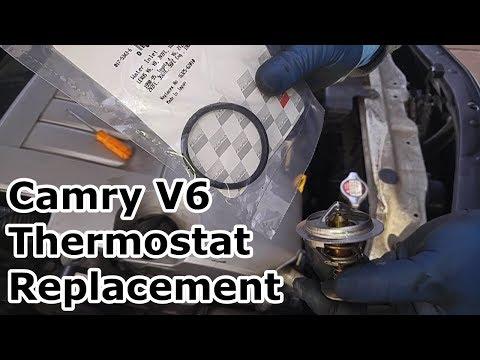






How to Replace the Thermostat on a 2019 Toyota Camry 3.5L V6
Step-by-step DIY thermostat replacement with tools, parts list, torque specs, coolant refill, bleeding, safety tips, and cost savings
How to Replace the Thermostat on a 2019 Toyota Camry 3.5L V6
Step-by-step DIY thermostat replacement with tools, parts list, torque specs, coolant refill, bleeding, safety tips, and cost savings


🔧 Camry - Thermostat Replacement
You’ll be removing the thermostat housing on your Camry, swapping in a new thermostat and gasket, then refilling and bleeding the cooling system. This restores proper engine temperature control and can fix overheating or running-too-cold issues.
Difficulty Level: Intermediate | Estimated Time: 2–3 hours
⚠️ Safety & Precautions
- 🔥 Work only on a completely cool engine to avoid burns from hot coolant.
- 🧯 Keep coolant off your skin and paint; it’s toxic and slippery.
- 🔌 Disconnect the negative battery terminal if your tools might contact the starter or alternator.
- 🐶 Keep pets and kids away: coolant is sweet-tasting but highly poisonous.
- ♻️ Use a drain pan and dispose of old coolant properly—do not pour it on the ground or in drains.
🔧 Required Tools
You'll need the following tools for this repair:
- Metric socket set (8mm–19mm)
- 3/8" drive ratchet
- 3/8" drive extension (3"–6")
- Torque wrench (inch-lb and ft-lb, 5–80 ft-lb range)
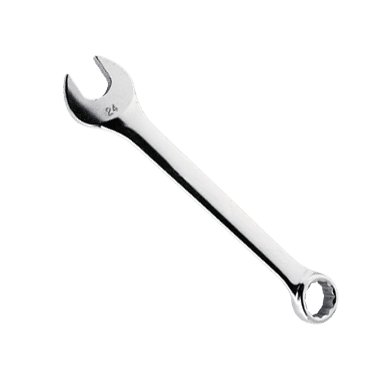
- Metric combination wrench set (8mm–19mm)
- Flathead screwdriver (medium)
- Phillips screwdriver (medium)
- Long-nose pliers
- Hose clamp pliers (specialty)
- Plastic trim clip removal tool (specialty)
- Drain pan (at least 10-liter capacity)
- Small funnel
- Coolant spill-free funnel kit (specialty)
- Shop towels or rags
- Plastic scraper
- Brake cleaner spray
- Work light or flashlight
- Mechanic’s gloves
- Safety glasses
🔩 Required Parts
HowToo sells all the parts you need for this repair:
- Engine thermostat (correct for 3.5L V6) - Qty: 1
- Thermostat gasket or O-ring - Qty: 1
- Toyota Super Long Life coolant (pink, pre-mixed 50/50) - Qty: 2–3 gallons
- Thermostat housing bolts (optional, replacement) - Qty: 2–3
- New hose clamps (for any rusty/damaged clamps) - Qty: 2–4
- Shop towels - Qty: 1 pack
- Nitrile gloves - Qty: 1 box
📋 Before You Begin
- Park your Camry on level ground, select P, and set the parking brake.
- Let the engine cool for at least 1–2 hours if it was running.
- Open the hood and remove any covers or items from the engine bay.
- Disconnect the negative battery cable using a 10mm socket to avoid accidental shorts.
- Have your drain pan ready directly under the radiator drain and thermostat area.
🔨 Step-by-Step Instructions
Follow these steps in order:
Step 1: Remove the engine cover
- Use your hands to pull up on the plastic engine cover; it is held by rubber grommets.
- If it feels stuck, gently pry upward at the corners by hand, not with tools.
- Set the cover aside where it will not get stepped on.
Step 2: Position the drain pan and open radiator drain
- Place the drain pan under the radiator drain cock (bottom of radiator, driver’s side).
- Use a flathead screwdriver to slowly turn the plastic drain cock counterclockwise.
- Remove the radiator cap on top using your hand to let coolant flow faster.
- Allow coolant to drain until the flow slows to a drip.
Step 3: Locate the thermostat housing
- The thermostat housing on the V6 is at the front of the engine where the lower radiator hose meets the engine block.
- Follow the lower radiator hose from the radiator to the engine; the metal or plastic piece it bolts to is the thermostat housing.
- Use a work light to clearly see the bolts and hose clamp.
Step 4: Remove the lower radiator hose from the thermostat housing
- Place the drain pan under the thermostat housing area (more coolant will leak).
- Use hose clamp pliers or long-nose pliers to compress the spring clamp on the hose.
- Slide the clamp back along the hose away from the housing.
- Twist the hose gently by hand to break it loose, then pull it off the housing.
- Twist first, then pull to avoid tearing hose.
Step 5: Remove components blocking access (if needed)
- If access to the housing bolts is tight, you may need to move small brackets or wiring looms.
- Use a 10mm socket and ratchet to remove any small brackets in the way, noting their position.
- Use a plastic trim clip tool to pop out any plastic clips holding wires nearby.
Step 6: Remove the thermostat housing
- Use a 10mm socket and ratchet with extension to remove the housing bolts (usually 2–3 bolts).
- Loosen each bolt evenly so the housing comes off straight.
- Gently pry the housing away by hand or with a plastic scraper at the seam if it’s stuck. Do not use a metal screwdriver that can gouge the surface.
- More coolant will drain when the housing separates; keep the drain pan in place.
- Note bolt lengths and locations so they go back in the same holes.
Step 7: Remove the old thermostat
- Pull the old thermostat straight out of its pocket in the engine.
- Note the orientation (which side faces the engine and which side faces the hose).
- Remove the old gasket or O-ring from the groove—use a plastic scraper if it’s stuck.
Step 8: Clean the sealing surfaces
- Use a plastic scraper to gently remove old gasket material and deposits from the engine side and housing side.
- Wipe the surfaces with a rag sprayed with brake cleaner until clean and smooth.
- Surfaces must be clean and dry to avoid leaks.
Step 9: Install the new thermostat and gasket
- Install the new gasket or O-ring on the thermostat or into the housing groove, depending on design.
- Place the new thermostat into the engine pocket in the same orientation as the old one.
- Ensure it sits flat and fully seated; it should not rock or tilt.
Step 10: Reinstall the thermostat housing
- Position the housing carefully over the new thermostat, making sure the gasket stays in place.
- Start all housing bolts by hand to avoid cross-threading.
- Use a 10mm socket and ratchet to snug the bolts evenly in a crisscross pattern.
- Then use a torque wrench with 10mm socket to tighten the bolts to 10 N·m (89 in-lb).
- Do not overtighten; housing can crack.
Step 11: Reattach the lower radiator hose
- Slide the hose fully back onto the thermostat housing fitting.
- Use hose clamp pliers or long-nose pliers to move the clamp back over the fitting in its original position.
- Make sure the clamp is centered over the raised bead of the fitting for a good seal.
Step 12: Reinstall any brackets or clips
- Use a 10mm socket to reinstall any brackets you removed earlier.
- Use the plastic trim clip tool to push wiring clips back into place.
- Verify that no wires or hoses are pinched or rubbing against sharp edges.
Step 13: Close the radiator drain
- Use a flathead screwdriver to turn the radiator drain cock clockwise until it is snug—do not overtighten.
- Wipe any spilled coolant off the radiator and surrounding areas with rags.
Step 14: Refill the cooling system
- Install the adapter from your coolant spill-free funnel kit onto the radiator neck or expansion tank, then attach the funnel.
- Slowly pour Toyota Super Long Life (pink) coolant into the funnel.
- Fill until the level in the funnel stays steady and near full.
- Squeeze the upper and lower radiator hoses by hand to burp out trapped air.
Step 15: Bleed air from the system (engine running)
- Reconnect the negative battery cable with a 10mm socket and snug it down.
- Start the engine with the funnel still in place.
- Set the cabin heater to HOT and fan to LOW so coolant flows through the heater core.
- Let the engine idle and warm up; watch the coolant level in the funnel and add as needed.
- As the thermostat opens, you’ll see bubbles come out; wait until bubbles stop and the level stabilizes.
- Monitor the temperature gauge on the dash; it should rise to normal (middle) and stay there.
Step 16: Seal the system and check for leaks
- When no more bubbles appear and the engine is at normal temperature, shut the engine off.
- Let it cool down until the coolant level in the funnel drops and is safe to handle.
- Remove excess coolant from the funnel back into the jug, then remove the funnel and adapter.
- Install and tighten the radiator cap by hand.
- Inspect around the thermostat housing, hose connections, and radiator drain with a work light for any leaks.
Step 17: Reinstall the engine cover and clean up
- Press the engine cover back down until all the rubber grommets snap into place.
- Wipe any remaining coolant from the engine bay with rags.
- Pour the used coolant from the drain pan into sealed containers for proper disposal.
✅ After Repair
- Take your Camry on a short drive (10–15 minutes) and watch the temperature gauge; it should reach the middle and stay there.
- Check for heat from the cabin heater to confirm coolant is circulating properly.
- Park, let the engine cool completely, then recheck the coolant level in the reservoir and top off with pink coolant if needed.
- Inspect again around the thermostat housing and hose connections after the first drive for any signs of leaks.
💰 DIY vs Shop Cost
Shop Cost: $350–$550 (parts + labor)
DIY Cost: $60–$120 (parts only)
You Save: $230–$430 by doing it yourself!
Shop labor rates vary but typically run $100–$150/hour. This repair takes a shop approximately 1.5–2.0 hours.
🎯 Ready to get started?
HowToo makes it easy: same-day/2-day shipping on every part, plus all the tools and specialty tools you need! Check out the parts and tools sections above to add everything to your cart.
Guide for replace for these Toyota vehicles
| Year Make Model | Sub Model | Engine | Body Style |
|---|