









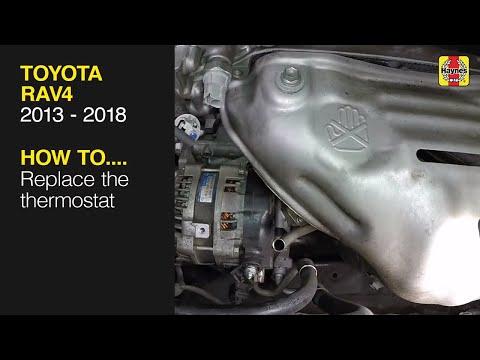






How to Replace the Thermostat on a 2018 Toyota RAV4
Step-by-step instructions with tools, parts, torque specs, and cooling system bleeding tips for 2001, 2002, 2003
How to Replace the Thermostat on a 2018 Toyota RAV4
Step-by-step instructions with tools, parts, torque specs, and cooling system bleeding tips for 2001, 2002, 2003


🔧 RAV4 - Thermostat Replacement
Your thermostat controls engine coolant flow so the engine warms up correctly and stays at a stable operating temperature. On your RAV4, this job means draining some coolant, removing the thermostat housing, swapping the thermostat, and refilling and bleeding the cooling system.
Difficulty Level: Intermediate | Estimated Time: 2-3 hours
⚠️ Safety & Precautions
- Let the engine cool completely before opening the cooling system. Hot coolant can cause severe burns.
- Do not remove the radiator cap when the engine is hot.
- Keep coolant away from pets and children; it is highly toxic.
- You may need to disconnect the negative battery cable if tools will be near the electric cooling fans.
- Use jack stands if you raise the front of the vehicle. Never work under a vehicle supported only by a jack.
🔧 Required Tools
You'll need the following tools for this repair:
- Socket set (8mm, 10mm, 12mm)
- Ratchet
- Short extension
- Torque wrench
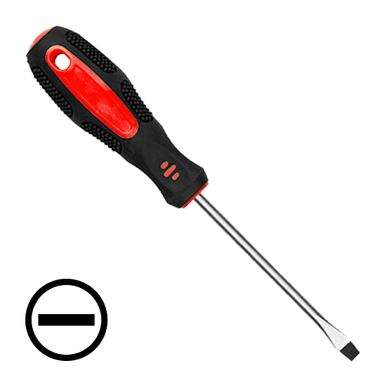
- Flat-blade screwdriver
- Pliers
- Drain pan
- Funnel
- Catch bottle or clean container
- Gasket scraper or plastic razor blade
- Brake cleaner
- Jack stands
- Floor jack
- Safety glasses
- Nitrile gloves
🔩 Required Parts
HowToo sells all the parts you need for this repair:
- Thermostat assembly - Qty: 1
- Thermostat housing gasket/O-ring - Qty: 1
- Coolant - Qty: 1-2 gallons
- Distilled water - Qty: 1 gallon
- New hose clamp if damaged - Qty: 1
📋 Before You Begin
- Park on level ground and set the parking brake.
- Make sure the engine is completely cool.
- Have a drain pan ready before opening the cooling system.
- If your RAV4 has a splash shield blocking access, remove it first.
🔨 Step-by-Step Instructions
Follow these steps in order:
Step 1: Drain the coolant
- Place a drain pan under the radiator drain area.
- Use a flat-blade screwdriver or pliers to open the drain if equipped, or loosen the lower radiator hose clamp and carefully remove the hose.
- Drain enough coolant to get the level below the thermostat housing.
- Keep the drained coolant off the ground.
Step 2: Remove intake ducting or covers if needed
- Use an 8mm or 10mm socket to remove any intake duct, air box pieces, or engine cover that blocks access.
- Set the parts aside in order so reassembly is easier.
Step 3: Access the thermostat housing
- Follow the upper radiator hose to the thermostat housing on the engine.
- Use pliers to slide the hose clamp back, then twist and pull the hose free.
- Expect a small amount of coolant to spill.
Step 4: Remove the thermostat housing
- Use a 10mm socket and ratchet with a short extension to remove the housing bolts.
- Lift the housing off carefully.
- Remove the old thermostat and gasket/O-ring.
- Clean the mating surfaces with a gasket scraper or plastic razor blade and brake cleaner.
- Do not gouge the aluminum surface.
Step 5: Install the new thermostat
- Install the new thermostat in the same direction as the old one.
- Install the new gasket or O-ring.
- Make sure it sits flat and does not pinch.
Step 6: Reinstall the housing
- Position the housing and start both bolts by hand.
- Use a 10mm socket and torque wrench to tighten the bolts evenly.
- Torque to 10 Nm (89 in-lbs)
- Reconnect the upper radiator hose and secure the clamp.
Step 7: Refill the cooling system
- Use a funnel to refill with the correct Toyota coolant mix.
- Fill the radiator and reservoir to the proper marks.
- Leave the radiator cap off for initial bleeding if the system design allows it.
Step 8: Bleed air from the system
- Start the engine and let it idle with the heater set to HOT.
- Watch the coolant level and add more as air escapes.
- When the upper hose gets hot and coolant circulation starts, check for bubbles.
- Install the radiator cap once the level stabilizes.
- Watch the temperature gauge closely.
Step 9: Reinstall removed parts and inspect
- Reinstall the intake ducting, covers, and splash shield using the proper socket.
- Check for leaks at the thermostat housing, hose connection, and drain point.
✅ After Repair
- Test drive the vehicle and confirm normal operating temperature.
- Recheck coolant level after the engine cools completely.
- Inspect again for leaks the next day.
- If the temperature warning light comes on, stop driving and recheck coolant level and thermostat installation.
💰 DIY vs Shop Cost
Shop Cost: $280-$550 (parts + labor)
DIY Cost: $60-$180 (parts only)
You Save: $220-$370 by doing it yourself!
Shop labor rates vary but typically run $100-$150/hour. This repair takes a shop approximately 1.5-2.5 hours.
🎯 Ready to get started?
HowToo makes it easy: same-day/2-day shipping on every part, plus all the tools and specialty tools you need! Check out the parts and tools sections below to add everything to your cart.