









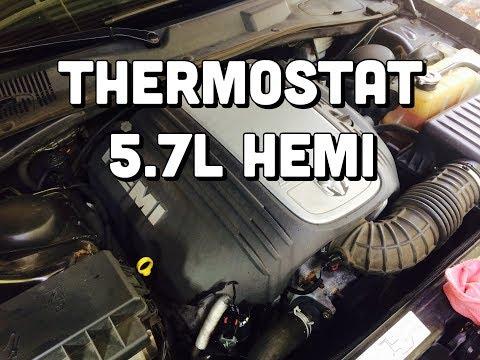






How to Replace the Thermostat on a 2018 Dodge Charger (Cooling System Repair Guide)
Step-by-step thermostat housing removal, coolant drain/refill, bleeding tips, tools, parts, and torque specs for 2006, 2007, 2008, 2009, 2010, 2011, 2012, 2013, 2014, 2015, 2016, 2017, 2018, 2019, 2020, 2021
How to Replace the Thermostat on a 2018 Dodge Charger (Cooling System Repair Guide)
Step-by-step thermostat housing removal, coolant drain/refill, bleeding tips, tools, parts, and torque specs for 2006, 2007, 2008, 2009, 2010, 2011, 2012, 2013, 2014, 2015, 2016, 2017, 2018, 2019, 2020, 2021


🔧 Charger - Thermostat Replacement
The thermostat controls coolant flow to keep your A4—sorry, your Charger—at the correct operating temperature. If it’s stuck open you’ll run cool (poor heat, worse fuel economy); stuck closed can cause overheating. On your Charger, the thermostat sits at the front of the engine where the upper radiator hose connects.
Difficulty Level: Intermediate | Estimated Time: 1.5–3.0 hours
⚠️ Safety & Precautions
- 🛑 Never open the coolant cap when hot; burns risk.
- 🧤 Wear gloves and safety glasses; coolant is toxic and slippery.
- 🌡️ Work only on a fully cool engine (ideally sitting 2+ hours).
- 🧼 Clean spills immediately; keep coolant away from kids/pets.
- 🔋 Battery disconnect is not required for this job.
🔧 Required Tools
You'll need the following tools for this repair:
- Safety glasses
- Nitrile gloves
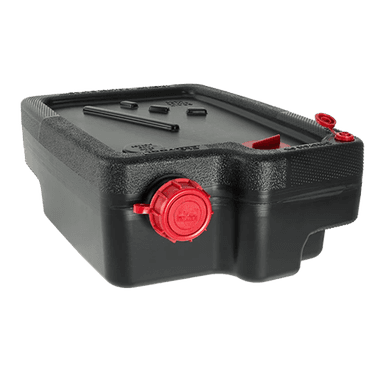
- Drain pan (at least 10-quart)
- Funnel
- Shop towels
- Ratchet
- Socket extension 3"
- 8mm socket
- 10mm socket
- Hose clamp pliers
- Flathead screwdriver
- Torque wrench (in-lb)
- Trim clip tool
- Floor jack (rated 3-ton minimum)
- Jack stands (rated 3-ton minimum)
- Wheel chocks
🔩 Required Parts
HowToo sells all the parts you need for this repair:
- Engine thermostat (5.7L specific) - Qty: 1
- Thermostat seal / O-ring - Qty: 1
- Engine coolant (OAT, 50/50 premix) - Qty: 2–3 gallons
📋 Before You Begin
- Park on level ground, set the parking brake, and install wheel chocks.
- Let the engine cool completely.
- Set the cabin HVAC to HOT (this helps coolant flow through the heater circuit during bleed).
- If you need more access underneath, lift the front with a floor jack and support with jack stands on proper lift points.
🔨 Step-by-Step Instructions
Follow these steps in order:
Step 1: Relieve cooling-system pressure (cold engine only)
- Place a shop towel over the coolant reservoir cap.
- Slowly loosen the cap by hand to release any leftover pressure, then remove it.
Step 2: Drain enough coolant to drop the level below the thermostat
- Position a drain pan under the radiator drain area.
- If equipped with a drain petcock, open it carefully using a flathead screwdriver (some turn by hand) and drain 1–2 gallons.
- If you can’t access the drain easily, you can drain from the lower radiator hose instead, using hose clamp pliers and a drain pan.
- Tip: Drain only what you need to reduce mess.
Step 3: Remove the intake duct for working room
- Loosen the intake clamps using an 8mm socket or flathead screwdriver.
- Unclip/remove any snorkel or cover fasteners using a trim clip tool.
- Lift the intake ducting out of the way.
Step 4: Remove the upper radiator hose from the thermostat housing
- Follow the upper radiator hose to the front of the engine (thermostat housing area).
- Compress the hose clamp using hose clamp pliers, then slide the clamp back on the hose.
- Twist the hose to break it free, then pull it off the housing. Keep the drain pan underneath for spills.
Step 5: Remove the thermostat housing
- Remove the thermostat housing bolts using a 10mm socket, ratchet, and 3" extension.
- Carefully separate the housing and remove the thermostat.
- Remove the old seal/O-ring and wipe the sealing surfaces clean using shop towels.
- Tip: Don’t gouge the aluminum sealing surface.
Step 6: Install the new thermostat and seal
- Install the new thermostat seal / O-ring onto the new thermostat (or into the housing groove, depending on design).
- Set the new thermostat in place in the same orientation as the old one.
- Reinstall the housing and start all bolts by hand to avoid cross-threading.
- Tighten evenly with a 10mm socket.
- Torque to 12 Nm (105 in-lbs) using a torque wrench (in-lb).
Step 7: Reinstall the upper radiator hose
- Push the hose fully onto the housing.
- Move the clamp back into its original position using hose clamp pliers.
- Wipe the area clean with shop towels so leaks are easy to spot.
Step 8: Reinstall the intake duct
- Reinstall the intake ducting and any clips using a trim clip tool.
- Tighten the intake clamps using an 8mm socket or flathead screwdriver.
Step 9: Refill coolant
- Insert a funnel into the coolant reservoir.
- Refill with OAT, 50/50 premix coolant until it reaches the correct level.
Step 10: Bleed air and verify operation
- Start the engine and let it idle with the reservoir cap off for a few minutes (watch for splashing).
- Turn the heater to HOT and fan to medium.
- As the engine warms up, add coolant as the level drops using a funnel.
- Once you feel steady heat from the vents and the upper hose gets hot (thermostat opened), install the reservoir cap.
- Let the engine reach normal temp, then shut it off and inspect for leaks.
✅ After Repair
- Check for leaks around the thermostat housing and upper hose after the first warm-up.
- After a full cool-down, recheck coolant level and top off if needed.
- Test drive 10–15 minutes and confirm the temperature gauge is stable and heater output is hot.
- Dispose of old coolant properly (most parts stores accept waste coolant).
💰 DIY vs Shop Cost
Shop Cost: $350–$650 (parts + labor)
DIY Cost: $60–$180 (parts only)
You Save: $170–$590 by doing it yourself!
Shop labor rates vary but typically run $100-$150/hour. This repair takes a shop approximately 1.5–3.0 hours.
🎯 Ready to get started?
HowToo makes it easy: same-day/2-day shipping on every part, plus all the tools and specialty tools you need! Check out the parts and tools sections below to add everything to your cart.