









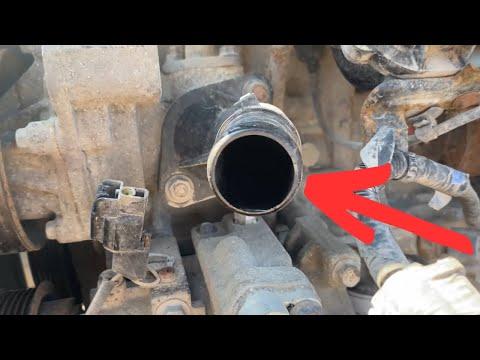







How to Replace the Thermostat on a 2016 Kia Rio (Fix Overheating & Slow Warm-Up)
Step-by-step thermostat swap with required tools, parts list, coolant refill/bleeding steps, and torque specs for 2012, 2013, 2014, 2015, 2016, 2017
How to Replace the Thermostat on a 2016 Kia Rio (Fix Overheating & Slow Warm-Up)
Step-by-step thermostat swap with required tools, parts list, coolant refill/bleeding steps, and torque specs for 2012, 2013, 2014, 2015, 2016, 2017


🔧 Rio - Thermostat Replacement
Your Rio’s thermostat controls engine temperature by opening and closing coolant flow to the radiator. Replacing a stuck thermostat helps fix overheating, slow warm-up, or erratic temperature readings and can prevent engine damage.
Difficulty Level: Intermediate | Estimated Time: 1.5-3.0 hours
⚠️ Safety & Precautions
- ⚠️ Never open the coolant cap on a hot engine; hot coolant can spray and burn you.
- ⚠️ Support the car with jack stands; never rely on a floor jack alone.
- ⚠️ Keep coolant off belts/alternator and off the ground; it’s toxic and slippery.
- ⚠️ Disconnecting the battery negative cable is recommended since you’ll work near electrical components.
🔧 Required Tools
You'll need the following tools for this repair:
- Safety glasses
- Nitrile gloves
- Floor jack (rated 2-ton minimum)
- Jack stands (rated 2-ton minimum)
- Wheel chocks
- Drain pan (at least 8-liter)
- Funnel
- Shop towels
- 10mm socket
- 12mm socket
- 1/4" drive ratchet
- 3/8" drive ratchet
- 3" and 6" socket extensions
- Torque wrench (5-30 Nm range)
- Hose clamp pliers
- Flathead screwdriver
- Plastic scraper
🔩 Required Parts
HowToo sells all the parts you need for this repair:
- Engine thermostat - Qty: 1
- Thermostat seal / O-ring - Qty: 1
- Engine coolant (Hyundai/Kia long-life, 50/50 premix) - Qty: 2-3 gallons
- Hose clamp - Qty: 1
📋 Before You Begin
- Park on level ground, set the parking brake, and place wheel chocks behind the rear wheels.
- Let the engine cool fully (ideally overnight) before you start.
- Disconnect the battery using a 10mm socket on the negative terminal and move the cable aside.
- Assumption: Thermostat is in the engine-side coolant outlet housing on the front/side of the engine.
🔨 Step-by-Step Instructions
Follow these steps in order:
Step 1: Raise the front safely
- Use a floor jack to lift the front jack point, then set the car on jack stands.
- Place wheel chocks and give the car a gentle push to confirm it’s stable.
Step 2: Drain the coolant
- Place a drain pan under the radiator area.
- Slowly loosen the coolant reservoir cap to relieve any leftover pressure.
- If accessible, open the radiator drain and guide coolant into the pan. If not, you can drain by loosening the lower radiator hose at the radiator using hose clamp pliers.
- Use shop towels to catch spills.
Step 3: Remove air intake ducting (if it blocks access)
- Loosen the hose clamp(s) using a flathead screwdriver.
- Remove any snorkel/duct bolts using a 10mm socket.
- Lift the ducting out and set it aside.
Step 4: Locate the thermostat housing
- Follow the lower radiator hose to the engine—this usually leads to the thermostat housing.
- Clean the area with shop towels so dirt doesn’t fall inside when opened.
Step 5: Remove the hose from the thermostat housing
- Use hose clamp pliers to compress the spring clamp and slide it back on the hose.
- Twist the hose gently to break it loose, then pull it off. Use a drain pan underneath for remaining coolant.
- Tip: Twisting helps more than pulling.
Step 6: Remove the thermostat housing
- Remove the housing bolts using a 10mm socket (some locations may use a 12mm socket).
- Use a socket extension if clearance is tight.
- Carefully separate the housing. If it sticks, tap lightly by hand—do not pry hard on aluminum.
Step 7: Replace the thermostat and seal
- Note the thermostat orientation before removal (take a quick photo).
- Remove the old thermostat and old seal/O-ring.
- Clean the mating surfaces using a plastic scraper and shop towels. Do not gouge the aluminum.
- Install the new thermostat and new seal/O-ring in the same orientation.
- If your thermostat has a small “jiggle valve”/bleed pin, position it at the top. (This helps trapped air escape.)
Step 8: Reinstall the housing and hose
- Reinstall the housing bolts by hand first to avoid cross-threading.
- Tighten evenly, then Torque to 10 Nm (7 ft-lbs) using a torque wrench.
- Reinstall the hose and position the clamp using hose clamp pliers.
- Replace the clamp with a new one if the old clamp feels weak or deformed.
Step 9: Refill coolant
- Lower the car off the jack stands using the floor jack.
- Use a funnel to refill the cooling system with Hyundai/Kia long-life 50/50 premix coolant.
- Fill to the proper level in the reservoir.
Step 10: Bleed air and verify operation
- Reconnect the battery negative cable using a 10mm socket.
- Start the engine and let it idle with the heater set to hot.
- Watch the temperature gauge as it warms up; check for leaks around the housing and hose.
- As the thermostat opens, the radiator hose should get hot and the coolant level may drop—top off as needed using a funnel.
- Shut the engine off, let it cool completely, then recheck and adjust the coolant level.
✅ After Repair
- Test drive 10-15 minutes and confirm the temperature gauge stays normal.
- Recheck for leaks at the thermostat housing and hose connections.
- After the engine fully cools, recheck the reservoir level and top off if needed.
- Dispose of old coolant properly—never pour it on the ground.
💰 DIY vs Shop Cost
Shop Cost: $250-$550 (parts + labor)
DIY Cost: $40-$120 (parts only)
You Save: $210-$430 by doing it yourself!
Shop labor rates vary but typically run $100-$150/hour. This repair takes a shop approximately 1.5-3.0 hours.
🎯 Ready to get started?
HowToo makes it easy: same-day/2-day shipping on every part, plus all the tools and specialty tools you need! Check out the parts and tools sections below to add everything to your cart.