















How to Replace the Thermostat on a 2015-2020 Chevrolet Tahoe (Coolant Drain & Refill) (Engine: V8 6.2L)
Step-by-step instructions with required tools/parts, thermostat housing bolt torque specs, and air-bleeding tips
How to Replace the Thermostat on a 2015-2020 Chevrolet Tahoe (Coolant Drain & Refill) (Engine: V8 6.2L)
Step-by-step instructions with required tools/parts, thermostat housing bolt torque specs, and air-bleeding tips for 2015, 2016, 2017, 2018, 2019, 2020


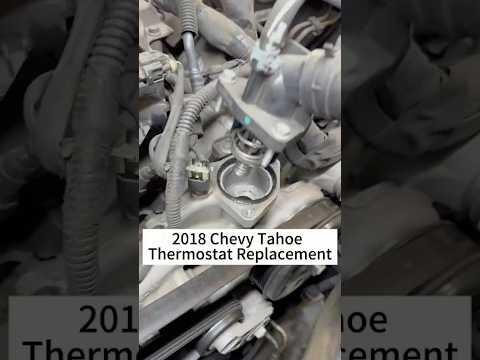
🔧 Tahoe - Thermostat Replacement
Your Tahoe’s thermostat controls engine temperature by opening and closing coolant flow to the radiator. If it sticks open you’ll run cool (poor heat, worse fuel economy); if it sticks closed you can overheat fast. This job is mostly access + a careful coolant refill to avoid air pockets.
Difficulty Level: Intermediate | Estimated Time: 1.0-2.0 hours
⚠️ Safety & Precautions
- ⚠️ Never open the coolant reservoir when hot; pressurized coolant can burn you.
- ⚠️ Let the engine cool fully before draining coolant.
- ⚠️ Use jack stands if you raise the front; never rely on a jack alone.
- ⚠️ Keep coolant off the ground; it’s toxic to pets and people.
- Battery disconnect is not required for this repair.
🔧 Required Tools
You'll need the following tools for this repair:
- Safety glasses
- Nitrile gloves
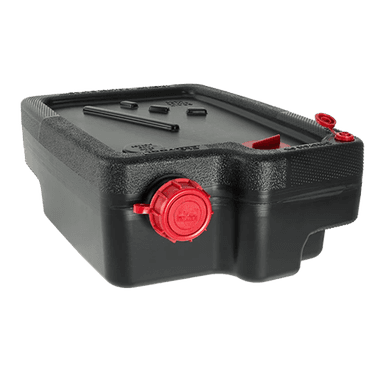
- Drain pan (at least 3-gallon)
- Funnel
- Shop rags
- Flat-blade screwdriver
- 8mm nut driver
- 1/4" drive ratchet
- 10mm socket
- 1/4" drive extension (3"-6")
- Torque wrench (inch-pound)
- Hose clamp pliers
- Floor jack (rated 3-ton minimum)
- Jack stands (rated 3-ton minimum)
- Wheel chocks
🔩 Required Parts
HowToo sells all the parts you need for this repair:
- Engine thermostat (with seal/gasket) - Qty: 1
- DEX-COOL coolant (50/50 pre-mix) - Qty: 2-3 gallons
- Hose clamp (upper radiator hose, optional) - Qty: 1
📋 Before You Begin
- Park on level ground, set the parking brake, and chock the rear wheels.
- Let the engine cool completely (best: sit overnight).
- Locate the coolant reservoir (also called the surge tank: the plastic coolant bottle with the cap).
- Optional: Raise the front slightly with a floor jack and support with jack stands for easier access to the radiator drain area.
🔨 Step-by-Step Instructions
Follow these steps in order:
Step 1: Relieve pressure (engine cold)
- Place a drain pan under the front of the engine bay area.
- Slowly loosen the coolant reservoir cap by hand to release any leftover pressure, then remove it.
Step 2: Drain enough coolant
- Position the drain pan under the radiator drain area.
- If equipped with a drain valve, open it with a flat-blade screwdriver and drain about 1-2 gallons (enough so the level drops below the thermostat).
- If there’s no easy drain access, you can drain from a hose connection:
- Use hose clamp pliers to slide the clamp back.
- Carefully twist and pull the hose off to drain into the pan.
- Tip: Save clean coolant in a clean container.
Step 3: Remove the air intake duct (for access)
- Use an 8mm nut driver (or flat-blade screwdriver) to loosen the hose clamps on the intake duct.
- Disconnect any attached small hose(s) by hand, then lift the duct out.
Step 4: Locate the thermostat housing
- The thermostat sits in the coolant outlet at the front/top of the engine where the upper radiator hose connects.
- Confirm you’re on the housing the upper radiator hose attaches to (not a smaller heater hose).
Step 5: Remove the upper radiator hose from the thermostat housing
- Use hose clamp pliers to compress the clamp and slide it back on the hose.
- Twist the hose to break it loose, then pull it off the housing.
- Catch any remaining coolant with the drain pan and use shop rags to protect belts/electrical connectors below.
Step 6: Remove the thermostat housing
- Remove the housing bolts using a 10mm socket, 1/4" drive ratchet, and extension.
- Lift the housing straight off and note the thermostat orientation (spring side goes toward the engine).
Step 7: Install the new thermostat and seal
- Remove the old thermostat and seal/gasket.
- Clean the mating surfaces with a shop rag (no gouging).
- Install the new thermostat in the same orientation as the old one.
- Install the new seal/gasket (most replacements use a new rubber seal; do not reuse the old one).
Step 8: Reinstall the housing and torque bolts
- Set the housing in place and start the bolts by hand to avoid cross-threading.
- Tighten evenly using a 10mm socket and ratchet.
- Final tighten using an inch-pound torque wrench: Torque to 10 Nm (89 in-lbs).
Step 9: Reconnect the upper radiator hose
- Push the hose fully onto the housing.
- Use hose clamp pliers to reposition the clamp back to its original spot.
- If the clamp feels weak or distorted, replace it with a new clamp.
Step 10: Reinstall the air intake duct
- Reinstall the duct and any small hose(s).
- Tighten the clamps using an 8mm nut driver.
Step 11: Refill coolant and bleed air
- Pour DEX-COOL 50/50 coolant into the reservoir using a funnel until it reaches the COLD line.
- If your Tahoe has a bleed screw near the thermostat/water pump area:
- Crack it open carefully with a flat-blade screwdriver.
- Close it once a steady stream of coolant (no bubbles) comes out.
- Start the engine and set HVAC to full HOT (this opens coolant flow to the heater core).
- Let it idle, watching the temperature gauge. Top off the reservoir as the level drops.
- When the upper radiator hose gets hot, the thermostat has opened. Continue idling 2-3 more minutes.
- Install the reservoir cap by hand.
✅ After Repair
- Check carefully for leaks around the thermostat housing and upper hose with the engine running.
- Take a 10-15 minute drive, then recheck the temperature gauge (should be stable and normal).
- After it cools completely, recheck the reservoir level and top off to the COLD line.
- If you get a “low coolant” message or the heater blows cold at idle, you likely still have air trapped—recheck the coolant level and bleed again.
💰 DIY vs Shop Cost
Shop Cost: ₹4,000-₹9,000 (parts + labor)
DIY Cost: ₹2,500-₹5,500 (parts only)
You Save: ₹1,500-₹3,500 by doing it yourself!
Shop labor rates vary but typically run ₹800-₹1,500/hour. This repair takes a shop approximately 1.0-1.5 hours.
🎯 Ready to get started?
HowToo makes it easy: same-day/2-day shipping on every part, plus all the tools and specialty tools you need! Check out the parts and tools sections below to add everything to your cart.
Guide for Engine Coolant Thermostat replace for these Chevrolet vehicles
| Year Make Model | Sub Model | Engine | Body Style |
|---|---|---|---|
| 2020 Chevrolet Tahoe | - | V8 5.3L | - |
| 2020 Chevrolet Tahoe | - | V8 6.2L | - |
| 2019 Chevrolet Tahoe | - | V8 5.3L | - |
| 2019 Chevrolet Tahoe | - | V8 6.2L | - |
| 2018 Chevrolet Tahoe | - | V8 5.3L | - |
| 2018 Chevrolet Tahoe | - | V8 6.2L | - |
| 2017 Chevrolet Tahoe | - | V8 5.3L | - |
| 2016 Chevrolet Tahoe | - | V8 5.3L | - |
| 2015 Chevrolet Tahoe | - | V8 5.3L | - |